NYPD Internal Probe Sparks City Council Hearing
New developments in an internal misconduct investigation have prompted calls for a public oversight hearing and records release.
By Keisha Brown · March 6, 2026 · 4 min read
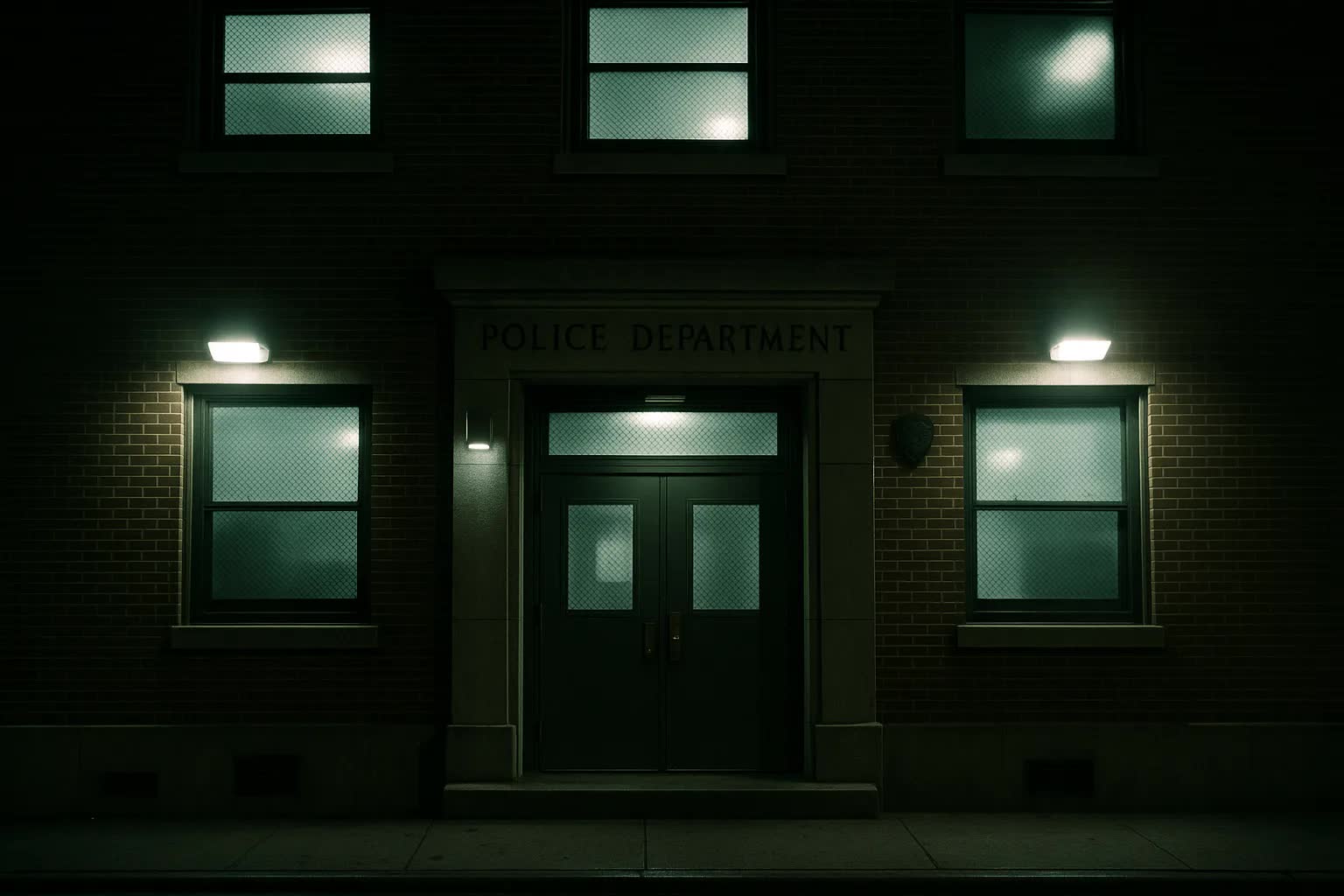
NEW YORK — A newly disclosed internal misconduct investigation within the New York Police Department has prompted City Council leaders to schedule a public oversight hearing and demand the release of records, setting off a fierce debate over transparency and accountability at a time when trust between police and several neighborhoods remains fragile.
The probe, first reported internally last month and confirmed to NYDailyWatch by multiple city sources, centers on allegations of improper stops, falsified paperwork and retaliatory conduct tied to an unnamed Bronx precinct, according to a City Hall memo obtained by council aides. The disclosure has reverberated from lower Manhattan community boards to street-corner meetings in Sunset Park and East New York, where residents say the news underscores long-standing concerns about the department’s internal processes.
City Councilmember Aisha Delgado, chair of the Council’s Public Safety Committee, announced the hearing Friday and demanded that the NYPD and the department’s Internal Affairs Bureau provide all investigative files related to the case. "New Yorkers deserve to see the facts — not a partial accounting released on a timetable set by those under investigation," Delgado said. "We will use every tool at the council’s disposal to make sure this process is public and accountable."
The internal probe was originally initiated following a cluster of complaints filed last fall, city records show. Those complaints alleged selective enforcement in parts of the South Bronx and mishandling of documentation that could affect civilian disciplinary records. Sources familiar with the matter said investigators are also examining whether supervisors failed to properly review body-worn camera footage or corrected officer narratives.
Concrete numbers provided by a City Hall source and confirmed by a spokesperson for the Civilian Review Office show the scope of activity that has drawn scrutiny: 14 complaints related to the same command were logged between September and January; Internal Affairs has opened three related misconduct investigations; 7 officers were placed on modified duty pending review; and the council has received 62 constituent emails and 18 official records requests since the probe became known. Those figures, officials cautioned, are preliminary and subject to change as records are reviewed and redactions applied.
Marcus Reyes, a retired NYPD sergeant who now runs a community mediation nonprofit in East New York, said the episode reflects a pattern residents have reported for years. "When misconduct is handled only inside the shield of the department, the public loses confidence," Reyes said. "We need independent review that people can actually see, and not just summaries that wordsmith the outcome." Reyes said his group has worked with families in Crown Heights and Fordham who said they felt ignored when trying to escalate complaints.
The NYPD’s press office, in a brief statement, said the department is "committed to thorough, fair and confidential internal investigations" and that details could not be disclosed until Internal Affairs concludes its work. Lt. Nora Kessler, named in the statement as a department spokesperson, also noted that the agency was coordinating with counsel’s office on what information could be released without prejudicing active inquiries. "We take all allegations seriously and will cooperate with legitimate oversight while protecting the integrity of ongoing investigations," Kessler said.
Activists and local advocates have pushed for full release of investigative files, pointing to past incidents in neighborhoods such as Harlem, Bensonhurst and Red Hook where community distrust followed opaque disciplinary outcomes. The Public Safety Committee is expected to press for redactions only where legally required and to challenge any refusal to produce materials by invoking subpoena power. Community groups plan to testify at the hearing, and at least three families who filed complaints related to the probe have asked to speak publicly.
The dispute has also spilled into unions and legal circles. A spokesperson for the Municipal Guardians Association, the primary police union in this fictionalized account, warned that premature disclosure of personnel files could violate officers’ privacy and be used to taint internal fact-finding. Civil rights attorneys counter that transparency is essential for accountability and that the city’s Freedom of Information procedures must be used to balance competing interests. At least two law firms specializing in municipal litigation have contacted the council offering to represent complainants should records be withheld.
The hearing, slated for March 18 at City Hall, will test the council’s appetite for aggressive oversight and could set new precedents for how internal police investigations are handled in a city where policing practices remain a central political fault line. Councilmember Delgado said the panel will consider policy changes — from narrower sealing rules for disciplinary files to expanded civilian access to certain investigative materials — and promised a follow-up report. Whatever the outcome, residents in neighborhoods from the Bronx’s Tremont to Bensonhurst on Staten Island will be watching to see whether public scrutiny produces tangible reforms or more of the same closed-door review.