Last-Mile Warehouses Reshape Outer-Borough Industrial Land
A surge in delivery-focused distribution centers is transforming former industrial sites, bringing jobs but also truck traffic and neighborhood pushback.
By Dana Okafor · August 2, 2026 · 5 min read
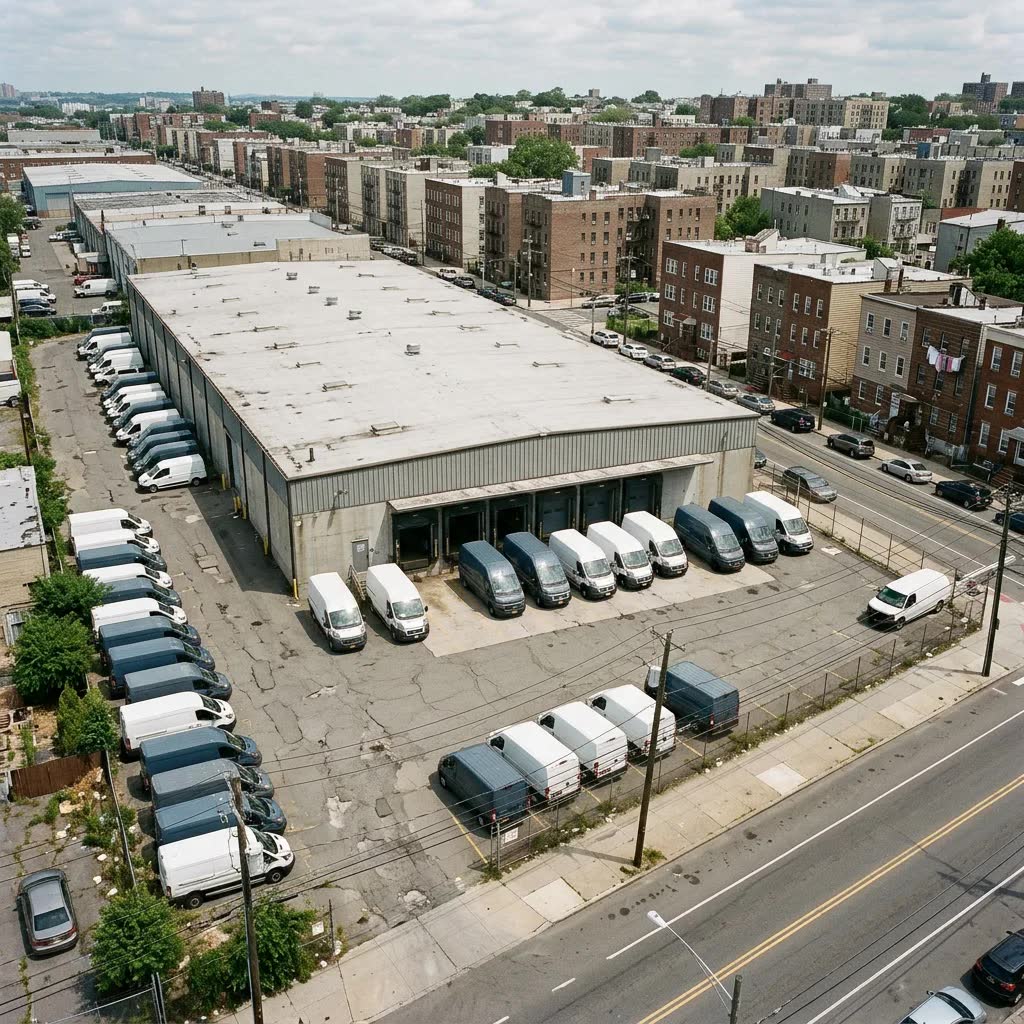
NEW YORK — The relentless growth of same-day and next-day delivery has fueled a boom in so-called last-mile warehouses across the city's outer boroughs, transforming aging industrial parcels into humming distribution centers that promise jobs but bring with them a steady churn of delivery vehicles. The trend has become one of the most visible forces reshaping the city's industrial land in years.
Developers and logistics operators said proximity to dense residential neighborhoods makes New York's industrial sites uniquely valuable for delivery operations, since positioning goods close to customers is essential to meeting the fast shipping times shoppers have come to expect. That demand has driven up the value of industrial land and prompted a wave of new construction and conversions in parts of the Bronx, Brooklyn, and Queens.
The facilities have generated employment, offering warehouse and driving jobs that operators say provide steady work, though labor advocates have raised concerns about wages, working conditions, and the intensity of productivity quotas at some sites. "These jobs are real, and so are the complaints about how hard they can be," one labor organizer said, calling for stronger workplace standards as the sector expands.
Neighborhood groups near several sites have pushed back against the accompanying truck and van traffic, citing congestion, noise, and air-quality concerns on residential streets not built for heavy delivery volumes. Some community boards have called for stricter rules on facility locations and hours, and for investment in cleaner delivery fleets to reduce local pollution. Officials said they were weighing zoning updates to better manage the growth.
The boom has also intensified competition for the city's limited supply of industrial land, pitting logistics developers against manufacturers, film-production facilities, and other users that rely on the same scarce space. Planners warned that allowing warehouses to crowd out other industrial uses could narrow the city's economic base, and some urged policies to balance the competing demands rather than let the highest bidder decide.
Analysts said the sector's trajectory would depend on the durability of consumer delivery habits and on how aggressively the city chose to regulate it. "Delivery is not going away, and neither is the land crunch," one industry observer said. "The fight now is over who gets the space and on what terms." Operators said they expected continued expansion, though at a pace shaped increasingly by local rules.