Oysters Return to the Hudson as Farm-to-Pier Bars Multiply
Small oyster purveyors and seasonal pop-ups are partnering with riverfront piers to offer shucked-to-order experiences close to the water.
By Rashid Karim · April 12, 2026 · 4 min read
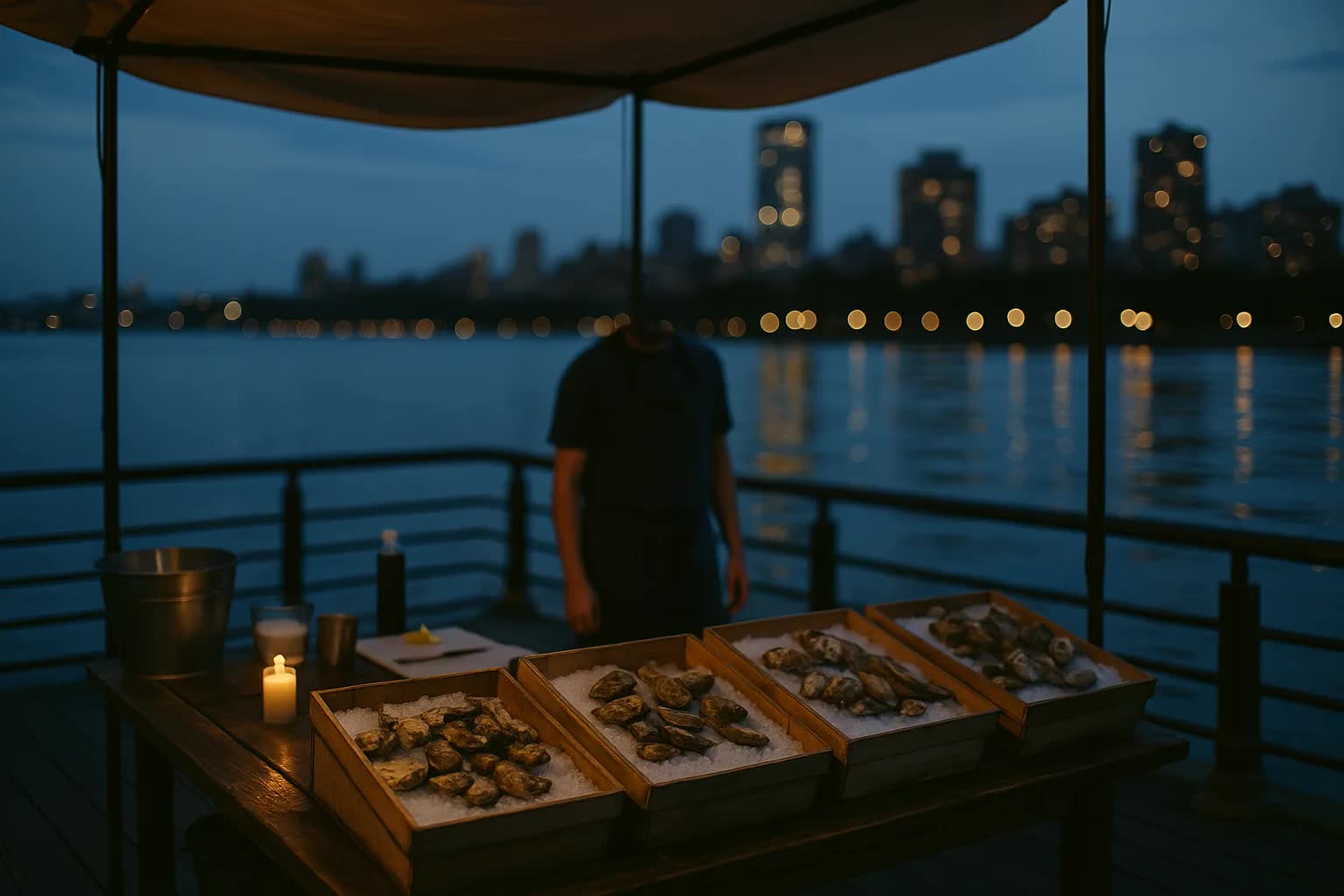
NEW YORK — On a bright April afternoon at Pier 45 in the West Village, neighbors queued for raw oysters shucked to order beneath a string of heat lamps while the Hudson glinted a clean, steel blue beyond the railing, a scene that until recently would have been unthinkable along the Manhattan shoreline. Small oyster purveyors and a growing roster of seasonal pop-ups have paired with riverfront piers from Chelsea to Tribeca to stage farm-to-pier bars, trading the city’s long-ago maritime stigma for a renewed local seafood culture centered on the river itself.
The return of shellfish to the Hudson is the latest chapter in two decades of restoration, municipal investments and community action. Once abundant, oysters largely disappeared from local waters by the early 20th century after industrialization and sewage outflows. Federal, state and local cleanup efforts — combined with targeted reef-seeding projects run by neighborhood conservancies and nonprofit groups — have improved baseline water quality enough for controlled shellfish cultivation in certain stretches of the estuary.
At Pier 57, a converted warehouse and weekend event hub in Chelsea, a seasonal operation called Hudson Shuck opened its first pop-up last fall and is back this spring. The owners book small roving leases with pier operators and source clams and oysters from boutique growers such as North Basin Oysters in Yonkers and Bightbank Farms in New Jersey. Menus are intentionally simple: raw oysters with classic mignonette, warm skillet oyster specials, and rotating tasters that highlight the slight mineral notes of Hudson-grown shellfish, served within sight of the Intrepid, the High Line and the West Side Highway.
"We used to truck everything down from Long Island and the South Fork, but the logistics didn't sing with our idea of place-based food," said Marta Leone, founder of North Basin Oysters, who described her operation as a three-employee hatchery and grow-out farm that moved into the Hudson tributary zone after state certifications last year. "Being able to hand someone an oyster two hours after harvest — with the skyline behind them — changes the story we tell about urban seafood. It’s less about novelty, more about reconnecting people to what the river can give us responsibly."
The trend shows up in permit and production numbers. Local permitting records and interviews with growers and pier managers indicate that the number of Hudson-facing oyster and raw-bar pop-ups jumped from four in 2022 to 18 in 2025, with projections pointing to roughly 26 seasonal operations this summer. Small farms that ship to those pop-ups reported producing an estimated 120,000 market oysters in 2025, up from about 45,000 in 2022. Pier operators say 14 Hudson River piers now include temporary food-service permits that allow shucked and served shellfish, and average retail prices for shucked oysters at pop-ups range from $3.50 to $5.00 apiece.
The logistics behind a successful farm-to-pier bar are exacting. Operators must meet the city's food-safety rules, maintain cold-chain refrigeration on site, and often invest in portable depuration tanks that allow oysters to purge contaminants before sale. Seasonal permits usually last 60 to 120 days and require inspections by city health inspectors and water-sample clearances coordinated with estuarine monitoring labs. Rain-driven runoff and storm surge can force last-minute closings, and most pop-ups limit service to the warmer months to avoid food-safety risks during winter thaws.
"We do a nightly checklist — temperature logs, rapid pathogen tests, the whole thing — before we bring a crate onto the pier," said Jonah Perez, seasonal events manager at Pier 57, whose team coordinates vendor slots and public programming along the Chelsea waterfront. "People come for the view, but they stay for the quality. If a farmer calls at dawn saying a batch is off, we pivot. That kind of responsiveness is why small growers can thrive here and why our community supports them."
Neighborhood businesses and restaurateurs are watching the phenomenon closely. Restaurants in Hudson Square and the Meatpacking District report upticks in foot traffic on nights when pop-ups operate; a handful of brick-and-mortar seafood kitchens now advertise joint oyster nights with pier vendors. Local culinary schools and workforce programs have started short shucking and safety courses to feed an expanding seasonal labor market. Retail and hospitality estimates provided by pier operators suggest direct sales from farm-to-pier oyster events contributed roughly $2.4 million to local economies in 2025, with spillover benefits for cafes, taxis and waterfront tour operators.
Scientists and conservationists caution that the return of oysters to the Hudson is cautious and contingent on ongoing monitoring. "Oysters are valuable allies in restoring estuaries, but they are not magic filters that solve all pollution problems," said Dr. Lena Ortiz, a marine ecologist at the Riverfront Ecology Lab, which runs weekly sampling along Manhattan’s west bank. "We continue to detect microplastic fibers and episodic bacterial spikes after heavy rains. The boats, growers and pier operators are implementing rigorous testing protocols, but sustained progress depends on broader infrastructure improvements upstream."
For now, the mood among pier managers, growers and neighborhood regulars is a mix of enthusiasm and careful planning. Several vendors have applied for multi-year pier slots and a mid-June oyster festival along the Hudson — featuring educational panels, live shucking demonstrations and an artisan seafood market — is in the works between Gansevoort Peninsula and Pier 57. Operators say the aim is to build a steady, seasonal circuit of farm-to-pier experiences that can withstand weather and regulatory hiccups while keeping the focus on quality, safety and the river’s long-term health.