PATH Upgrades to Predictive Maintenance After Months of Mechanical Failures
Engineers are installing vibration and temperature sensors along tunnels and rolling stock to forecast faults and reduce weekend closures for commuters between NJ and Manhattan.
By Mei Lin · January 18, 2026 · 4 min read
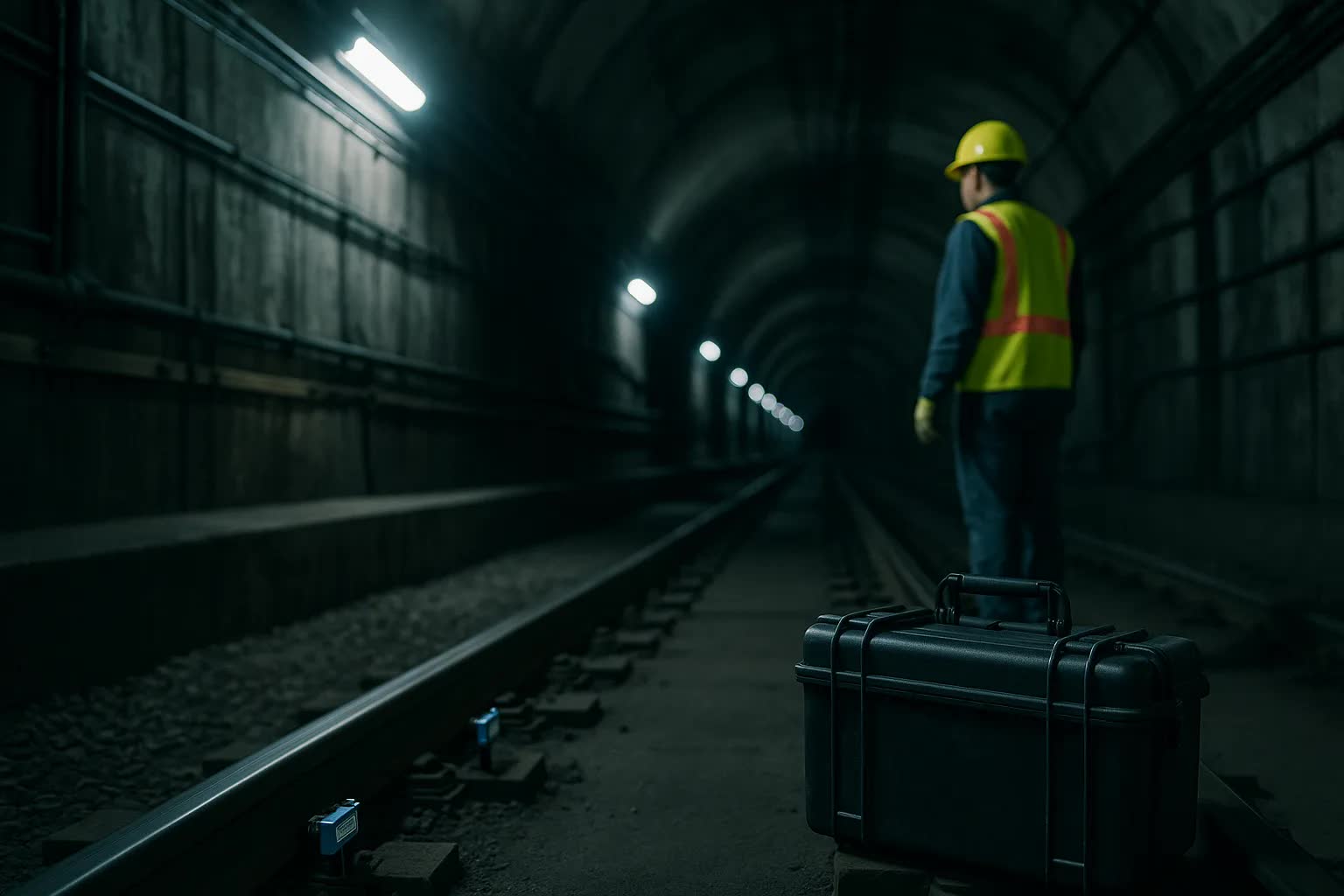
After months of breakdowns that snarled weekend travel between Hoboken, Journal Square and the World Trade Center, PATH engineers have begun a systemwide shift to predictive maintenance designed to forecast mechanical faults before they force service reductions across the line connecting New Jersey and Manhattan.
Teams from the Port Authority of New York and New Jersey and the PATH technical unit have started installing a grid of vibration and temperature sensors along tunnels, at key substation rooms and on rolling stock to feed a new analytics platform at the PATH Technology and Reliability Center in Harrison, N.J., officials said. The goal is to spot early-warning patterns in bearings, axle boxes and traction motors and schedule repairs during weekday windows rather than close tracks on weekends.
The move follows a string of high-profile failures that resulted in multiple weekend closures and emergency repairs late last year, including a mechanical fault near Christopher Street that halted trains heading westbound and a heated bearing incident in the Journal Square tunnels that prompted an unscheduled slow order and track access for repairs. Local businesses along Hudson Street and observers at the Hoboken Terminal reported unusual crowds and commuter reroutes during affected weekends.
"We were reacting to alarms; now we want to predict them," said Rafael Ortega, chief systems engineer for PATH. "Installing distributed sensors and running analytics at the edge will give us lead time measured in days or weeks instead of hours, and that changes everything for planning weekend work and keeping commuters moving between New Jersey and Manhattan."
Commuters and rider advocates say the disruptions have had a real economic and quality-of-life toll. "When trains stop at Christopher Street or service is cut back to Grove Street, small restaurants and shops in the West Village and Journal Square see fewer customers on vital weekend days," said Lena Mercer, president of the Newark-Commuter Riders Alliance. "Predictive maintenance isn't just a technical fix. It's about people who rely on steady weekend transit to get to work and to enjoy the city."
By the numbers: PATH recorded 14 weekend service interruptions related to mechanical failures between June and December 2025, officials said, with an average of 3.6 hours of reduced weekend service per incident. The initial deployment includes roughly 1,800 sensors — 1,200 mounted along tunnels and conduits and 600 fitted to rolling stock — funded by a $42 million capital allocation over two years. Port Authority engineers expect the program to cut emergency weekend closures by an estimated 50 to 65 percent once the models are mature.
Technically the program blends hardware and software. Accelerometers and thermocouples will be mounted near wheelsets, traction motor housings and axle bearings, while fiber-optic distributed acoustic sensing will run alongside select tunnel segments to detect unusual vibration signatures. Data will be preprocessed on edge units in Harrison and Hoboken then streamed to a central analytics cluster where machine-learning models trained on five years of maintenance records will flag anomalous trends.
"We detected a ramping vibration signature in a wheelset two weeks before it would have failed under load," said Anita Rao, lead data scientist on PATH's predictive maintenance program. "The models don't replace mechanics. They prioritize inspections so field crews in the Newark maintenance shop can intervene on a scheduled weekday instead of during a costly emergency weekend outage."
Labor leaders said they welcome technology that helps prevent hazardous failures but want protections for shop jobs. "Data that helps crews do safer, smarter repairs is a win, but we've also asked Port Authority management to include union technicians in how alerts are triaged so workloads don't shift unpredictably," said Carlos Medina, shop steward for PATH Mechanical Workers Local 909. Port Authority spokespersons said they are meeting regularly with union representatives as the program phases in.
Officials said the first rollout of sensors and predictive software will be completed across the busiest Hudson River tubes by late spring, with a broader network across the system complete by the end of the year. If the initial projections hold, commuters traveling between Hoboken, Journal Square, the World Trade Center and 33rd Street can expect fewer weekend closures and more predictable schedules in 2026, a change that PATH leaders say will be measurable in both fewer disrupted weekends and lower maintenance costs over time.