Port Authority Faces New Oversight Bill from Jersey Delegation
New Jersey lawmakers introduce legislation to tighten oversight of Port Authority spending after recent ferry disruptions and toll disputes.
By Rashid Karim · January 12, 2026 · 5 min read
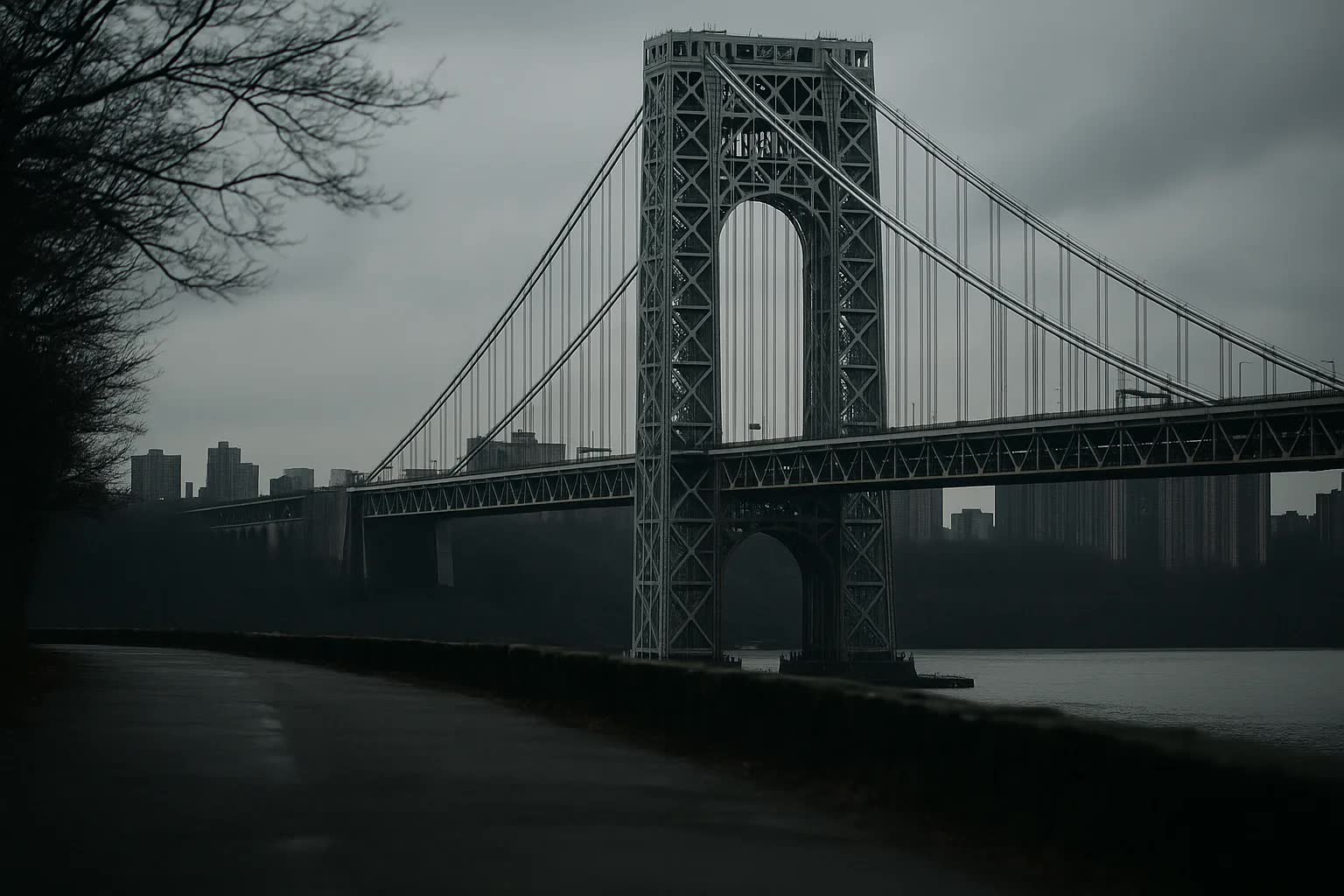
NEW YORK — New Jersey lawmakers unveiled legislation Monday aimed at tightening oversight of the Port Authority of New York and New Jersey after a year of ferry disruptions, toll disputes and high-profile service interruptions that snarled commutes from Hoboken to Staten Island and left small businesses along the DUMBO waterfront counting losses tied to canceled slips and shifting toll policies.
The bill, introduced by a six-member Jersey delegation led by Sen. Laila Mercado, a Bergen County Democrat who chairs the Senate Transportation Committee, would create new reporting requirements, expand auditing authority and establish a temporary independent monitor with subpoena power to review contracts and capital spending at the bi-state agency. Mercado said the measure was prompted by a rash of operational failures that she and other lawmakers say were not answered by the agency’s current governance structure. "Taxpayers in Jersey and New York deserve a Port Authority that is accountable and transparent," Mercado said. "When bridges and tunnels, airports and ferries affect the daily lives of commuters from Journal Square to Battery Park, there can be no shrugging and no more closed-door deals."
The announcement set off immediate ripples across neighborhoods that rely on Port Authority infrastructure. Retailers on Washington Street in Hoboken reported stepped-up concerns about ferry slip outages that they say kept customers away during holiday weekends, while restaurateurs near Pier 1 in DUMBO pointed to revenue declines tied to reduced foot traffic when shuttle buses replaced ferries. "When the ferry from Paulus Hook doesn’t show, our lunch rush disappears," said Evan Cruz, owner of a sandwich shop two blocks from the Brooklyn Bridge pedestrian entrance. "It’s not just an inconvenience — it affects paychecks and rent for people who live and work here."
Legislative text released Monday would compel the Port Authority to produce quarterly audited financial statements within 45 days of the quarter’s end, require public hearings in both Trenton and Albany before any toll increase, and create a short-term inspector general appointed by a three-person panel of New Jersey and New York representatives. Supporters say those changes would close the accountability gap that has allowed multi-million-dollar contracts to move forward without complete disclosure. "We are not trying to micromanage day-to-day operations," Mercado said. "This is about restoring public trust and ensuring that every dollar is tracked when tolls go up or projects are handed out to favored contractors."
The numbers that lawmakers cited were stark. According to a summary prepared by Mercado’s office, the Port Authority’s proposed operating budget for fiscal 2026 stands at $13.7 billion, with a capital plan of $27.4 billion for 2026–2031; the agency runs 18 toll facilities and six major terminals and supports roughly 6 million passenger boardings a day across airports, PATH trains and bus and ferry services. The briefing said there were 78 ferry cancellations attributed to maintenance and staffing issues in 2025, impacting an estimated 42,300 riders and costing nearby businesses an estimated $3.8 million in lost sales over the year, and that disputed toll adjustments late last year produced a $62 million variance between projected and realized revenues.
Republican members of the delegation framed the measure as fiscally responsible oversight rather than a partisan grab. "We want efficient governance, plain and simple," said Assemblyman Tom Dwyer, a Republican from Essex County who signed on as a co-sponsor. "If we can prevent another round of surprise toll hikes or a contract that balloons costs for New Jersey commuters, that’s a win for everyone." New York City Council members and local community boards, meanwhile, said they welcomed stricter scrutiny but warned against unilateral actions that could disrupt ongoing projects such as the PATH signal upgrades and the long-stalled Hudson waterfront ferry terminal at Red Hook.
The agency pushed back on the idea that governance changes were the only answer. Marisa Vale, director of communications for the Port Authority, issued a statement saying the authority had already enacted reforms after earlier disruptions, including a new maintenance regimen, revised procurement timelines and expanded customer communications. "We recognize commuters’ frustrations and are committed to improving reliability without compromising the complex safety and construction standards our facilities require," Vale said. She added that the authority was open to discussions with both states but urged lawmakers to factor in the agency’s bi-state charter, existing oversight structures and the potential for litigation over any abrupt overhaul of board authority.
Legal scholars and former agency officials said the push could trigger a tug-of-war over the Port Authority’s compact, the 1921 interstate agreement that created the agency and limits either state can impose unilaterally. "This is as much a legal question as it is a political one," said Thomas Keane, a professor of public finance at Hudson River University who previously consulted for municipal authorities. "Any attempt to change the balance of power will face test cases, and the agency’s board will likely litigate to preserve its discretion unless there is a negotiated settlement that both governors and state legislatures approve."
Commuters in neighborhoods that bore the brunt of the service failures offered blunt testimony about the stakes. Rosa Alvarez, a registered nurse who lives in St. George and works on the Lower East Side, said volatile toll policies have reshaped her monthly budget. "Some months the tolls surprise you and you have to take an extra shift just to cover commuting," Alvarez said. "If the Port Authority can’t keep the PATH and ferry schedules steady, then oversight that actually fixes that problem gets my vote, but it needs to move fast." Meanwhile, small operators who run private water taxis near the Gowanus Canal said they feared regulatory duplication would raise costs and squeeze competition along the South Brooklyn waterfront.
The bill’s sponsors said they were prepared for a protracted process. The legislation is scheduled for its first hearing in Trenton’s Transportation Committee next month, with companion hearings planned in Hudson County and at a site near Manhattan’s West Side to solicit testimony from commuters and business owners. If it survives committee votes, the measure’s drafters expect negotiations over board appointments and the monitor’s scope to dominate the spring session, and they have signaled readiness to amend language to avoid legal pitfalls while preserving what they call core accountability measures.