Queens Deaf Theater Troupes Stage Bilingual Plays for Growing Audiences
Companies combining ASL and spoken word are expanding accessibility while attracting diverse audiences in multicultural neighborhoods.
By Luisa Pereira · April 16, 2026 · 4 min read
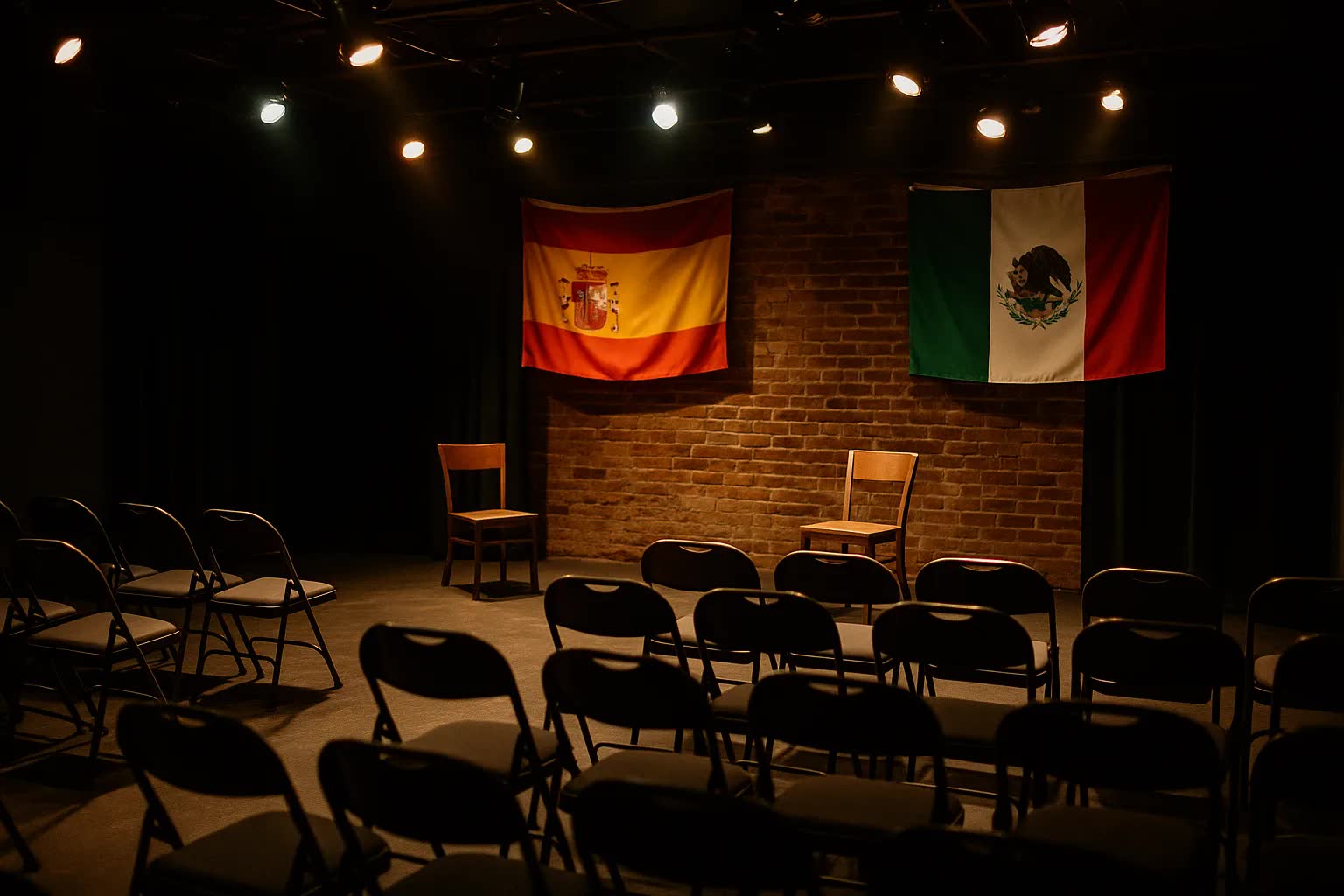
NEW YORK — On a recent Saturday night in Jackson Heights, a small black-box theater on 37th Road filled with a mix of families, deaf patrons signing to one another and hearing theatergoers leaning forward to catch surtitles above the stage as a cast of Deaf and hearing actors performed a bilingual play in American Sign Language and spoken English, a scene that is becoming increasingly common across Queens as local companies push accessibility and artistic ambition in one of the city’s most multicultural boroughs.
The growth of Deaf-led and bilingual troupes in neighborhoods from Astoria to Flushing and Long Island City reflects both demographic reality and artistic innovation: Queens’ dense immigrant communities, school districts with large populations of children learning English as a second language, and an abundance of adaptable storefront and community spaces have helped fuel interest in productions that layer kinetic visual storytelling with spoken text and projected captions.
“We wanted work that belonged to this borough — vivid, immediate and accessible without layers of translation,” said Maya Ortiz, artistic director of SignStage Queens, a company that began in 2019 and now stages monthly productions in a renovated storefront on 30th Avenue in Astoria. “By centering ASL and hiring Deaf designers, we make choices that create a natural bilingualism onstage, not an afterthought.”
Those choices include staging that favors sightlines for signing, microphones that pick up the subtleties of breath and quiet speech, surtitles timed to signing rhythms, and post-show tactile tours of sets for patrons who are blind or low-vision. Several companies also offer youth workshops in neighborhoods such as Elmhurst and Sunnyside where bilingual theater doubles as language and arts education for students and families.
The numbers suggest a shift. Five independently run Deaf-led companies now operate regularly in Queens; together they produced 62 performances boroughwide in 2025, up from 23 in 2019. Annual paid attendance across those companies rose to an estimated 11,400 last year from roughly 4,700 before the pandemic, average ticket prices are between $15 and $25, and about 40 percent of seats are filled by families from outside the Deaf community, according to aggregated box-office figures supplied by local theaters and a quarterly report from the Queens Arts Coalition.
“Funding remains limited, but we’re seeing philanthropy and city grants start to respond to demonstrable demand,” said Tom Nguyen, program manager at the Queens Cultural Fund, which has provided small-cap grants for Deaf-accessible performances. “Investors want measurable community impact — and bilingual work in Queens shows that impact in schools, libraries and neighborhood houses of worship, not just big downtown venues.”
Audience members say the effect is immediate. “My daughter is hearing and I’m deaf,” said Carlos Mejia, a Ridgewood resident and frequent patron, after a Sunday matinee at the Loft at 44th Street. “At first she watched; by the end she was signing along. It’s the first time our family could experience theater together without an intermediary.” That mixing of audiences has also attracted visiting theatergoers from Manhattan and Brooklyn who seek new work and authentic community engagement along Roosevelt Avenue and at the waterfront venues near Hunters Point in Long Island City.
Challenges remain: limited rehearsal and performance spaces in a borough where rent pressures are intense, a small pool of interpreters trained for theatrical timing, and fundraising competition with more established arts institutions in Manhattan. Several companies say they absorb the cost of filming and captioning, which can run several hundred dollars per show, and rely on volunteer stagehands and community donors to make productions pay. Some troupes also report difficulties securing long-term leases, particularly near transit hubs such as Queensboro Plaza where commercial redevelopment has pushed rents upward.
In response, companies have begun forming alliances with neighborhood groups and educational institutions. SignStage Queens partners with a youth center in Jackson Heights for after-school drama classes that feed into its teen ensemble; the Flushing Deaf Arts Collective runs internships with the performance department at Queensborough Community College; and a rotating network of storefronts from Steinway Street in Astoria to Main Street in Flushing has become an informal festival circuit for bilingual work, making it easier for companies to tour and split production costs.
Producers and artists say the next steps are more structural: expanding interpreter training tied to dramatic practice, securing multiyear arts funding, and formalizing a Queens Bilingual Theater Festival that could serve as a regional showcase. “We’re building an ecosystem, not just a few shows,” said Daniel Rivera, founder and director of the Flushing Deaf Arts Collective. “If we can secure steady rehearsal space and predictable funding, these theaters can grow artistically and economically, and more neighborhoods in Queens will have this kind of shared cultural life.”