Queens Jazz Clubs Are Finding a New Beat
A wave of young musicians and venue owners is remaking long-neglected corners of Queens into late-night hubs for experimental jazz.
By Mateo Ruiz · April 25, 2026 · 4 min read
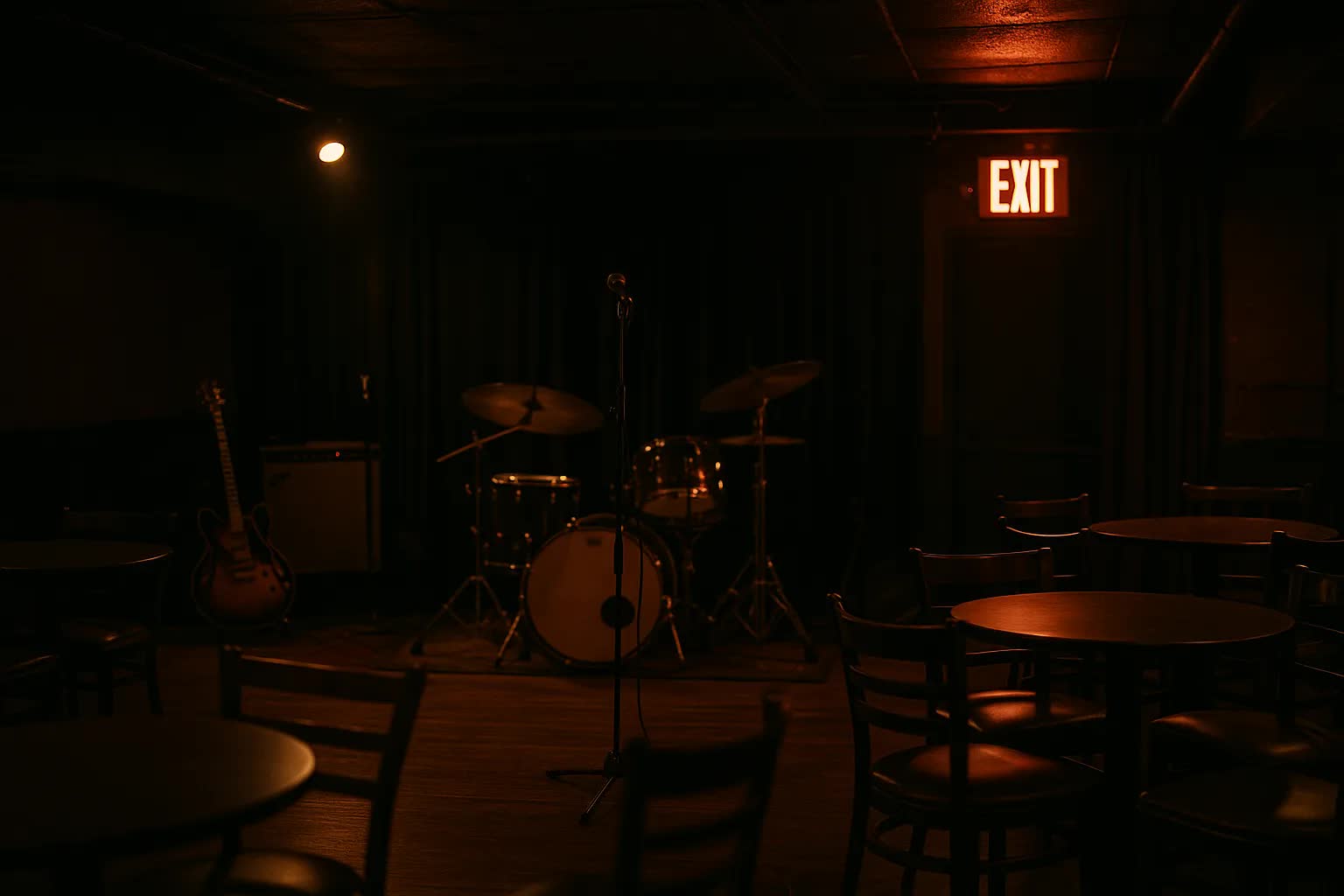
Under the glassy shadow of the Queensboro Bridge and the neon sweep of Long Island City's Gantry Plaza, a handful of late nights have started to sound different: loose, electric, half classical and half streetwise, shaped by young musicians who moved here for rent, rehearsal rooms and an appetite for risk. Once overlooked by industry scouts and tourists alike, corners of Astoria, Jackson Heights, Ridgewood and Sunnyside are becoming experimental jazz hubs, where venue owners and collectives are remaking underused storefronts into after-midnight laboratories of sound.
For decades, jazz nights in Manhattan and Brooklyn drew the city’s attention; Queens’ scene remained diffuse, spread across church basements, community centers and the occasional East Elmhurst bar. That began to change after 2020, when younger players — many trained at local public schools and CUNY programs — started to seek places that would tolerate long sets, extended improvisation and mixed-genre bills. They found them in second-floor rooms above laundromats, on former auto-shop floors near Steinway Street and in repurposed bodegas along Roosevelt Avenue.
Owners say the shift has been deliberate. Omar Aziz, 39, opened The Crescent Room in Jackson Heights three years ago in a former tailor shop at the corner of 37th Avenue and 82nd Street. 'We wanted a room where someone could play for an hour and nobody would rush them off the stage at 11 p.m.,' said Aziz, who booked his first week of shows with players he met busking at the 7 train entrance. 'Our rent is still lower than Manhattan clubs, so we can take risks on new acts. That risk has become our brand.'
On the musician side, collectives have formed tight networks that share rehearsal space, instruments and promotion. María Delgado, 29, a saxophonist and co-founder of the Q-Note Collective based in Astoria, described a culture that prizes experimentation over commercial viability. 'We’re not trying to recreate the past,' Delgado said. 'We want to bring the neighborhood into the music — Latin rhythms, hip-hop beats, modular synths — and then see who shows up. Sometimes it’s twenty people, sometimes it’s one hundred, but the music grows because we have the space to mess up and learn.'
The growth is measurable. Since 2022, city permit records and local booking calendars show at least 14 new late-night jazz rooms opened across Queens — a 150 percent increase compared with the 2018–2021 period — and another 11 venues expanded their programming to include weekly experimental sessions. The typical new room holds 40 to 90 seats; median ticket price for a headline night is about $15, and average weekly attendance across the new venues is approximately 250 patrons. Young adults 22 to 34 make up roughly 55 percent of the audience, according to aggregated door counts supplied by five club managers.
Those numbers dovetail with the neighborhood changes that have made Queens more hospitable to nightlife. Long Island City’s waterfront developments, the steady stream of food startups near Roosevelt Avenue and the cheaper commercial rents in Ridgewood have created a lattice of daytime commerce that can support late-night activity. Venues are also partnering with storefront businesses: a record store on Northern Boulevard hosts listening parties before shows; a café in Sunnyside offers rehearsal nights that funnel customers to a nearby club after 10 p.m.
But growth has not been untroubled. Noise complaints, zoning restrictions and the ever-present threat of rising rents have forced some promoters to innovate or move. 'We’re negotiating soundproofing grants and city permits constantly,' said Lin Chen, deputy cultural affairs coordinator for the Queens Borough Office. 'There’s a learning curve for both venues and neighbors. Our office has piloted a sound-mitigation fund that has helped four venues in the past year, but long-term viability depends on fixed-cost relief and community buy-in.'
Artists also say the scene has become a laboratory for new sounds that blur genre lines. On a recent Sunday at Ridgewood Reverb, a set moved from free-form horn improvisation into a suite with trap rhythms and looped field recordings of the subway. That fusion is attracting audiences who might never call themselves jazz fans: graphic designers, food-service workers, college students from Queens College, as well as older patrons who come for the familiar improvisational vocabulary. Many clubs now book back-to-back DJs and live bands, creating a sustained late-night flow that keeps bars and restaurants humming until 2 a.m.
Economically, the ripple effects are showing up on small ledgers: managers report a 20 to 40 percent increase in food and drink sales on nights when experimental sets are featured, and retail neighbors say late shows have increased weekend foot traffic by as much as 30 percent. Transit usage mirrors that trend; weekend boardings at the 7 train’s Hunterspoint Avenue and Queensboro Plaza stations have crept up on weekend nights, according to anecdotal counts by local promoters who monitor arrivals and departures for scheduling. Musicians supplement income through teaching, session work and by selling limited-run vinyl and merch at shows, which helps offset the slim percentages taken by ticketing platforms.
Planners, owners and artists say the question now is sustainability. Some venues are pursuing partnerships with CUNY and private foundations to create paid residencies and education programs that will anchor the scene beyond the current boom. Others are experimenting with daytime uses — workshops, film screenings, communal rehearsals — to diversify revenue. For a borough long written off by many as merely the city's bedroom, the late-night improvisations of Queens suggest a new map for cultural life; if the current momentum holds, expect to see an official Queens Jazz Week, more college partnerships and a new generation of neighborhood rooms that balance risk with community needs.