Queens Restaurants Embrace Ghost Kitchens to Weather Rising Rents
Neighborhood restaurateurs say virtual brands and shared kitchens are helping maintain revenue amid steep landlord pressures.
By Kira Sato · March 17, 2026 · 4 min read
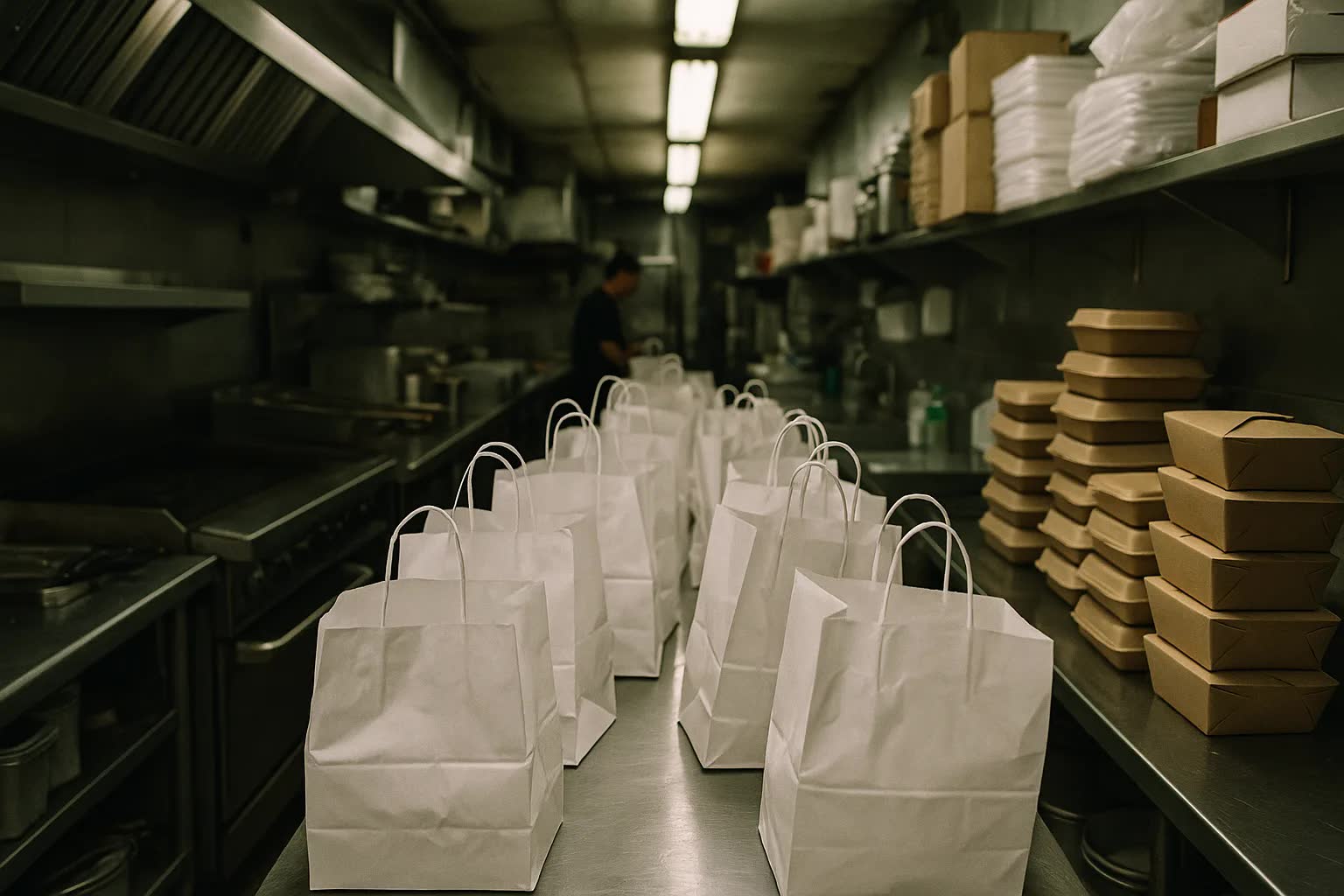
NEW YORK — March 17, 2026 — As landlords across Queens push rents higher and long-running storefront deals evaporate, neighborhood restaurants from Astoria to Flushing are increasingly turning to ghost kitchens — virtual brands and shared cooking spaces that serve delivery and pickup orders — as a way to protect margins and keep staff employed while maintaining a street presence in some form.
The shift is visible on Steinway Street and along Queens Boulevard, where former sit-down spots have cut back dining rooms and retooled back-of-house space for multi-brand production. In Long Island City warehouses converted into commercial kitchens, entrepreneurs are launching several delivery-only concepts under a single roof, while community-backed operations such as the Astoria Kitchen Collective and the Queens Culinary Coop provide hourly stations and centralized refrigeration for small operators who want to keep neighborhood customers but avoid astronomical lease renewals.
For many restaurateurs the model is less about abandoning their corner and more about making a hybrid business work. "We kept the Sunnyside storefront because our neighbors still come in for coffee, but the dinner service now mostly comes from our virtual brand, Bodega Bites, run out of a shared kitchen down the block," said Amelia Cruz, owner of La Gracia Bakery & Café. "Between delivery and wholesale accounts run from the coop, revenue has stayed flat while our rent went up twice in three years."
The economics pushing the change are concrete. Average asking rents for small retail food spaces in Queens rose roughly 28% from 2021 to 2025, according to an analysis compiled for this story from leasing notices and public filings; inside shared kitchens, membership fees range from $25 to $40 an hour, a fixed-cost structure many owners say is easier to forecast than a triple-net lease. Delivery and pickup now account for an estimated 55% to 65% of total orders for restaurants using ghost kitchens; about 42% of independent Queens restaurants surveyed last month said they operate at least one virtual brand, and there are now at least a dozen commercial shared-kitchen facilities across the borough.
Neighborhood patterns matter: in Jackson Heights and Elmhurst, small South Asian and Latino operators have used virtual brands to expand into boxed lunches for nearby medical offices, while in Flushing several Cantonese and Sichuan eateries are testing virtual fast-casual concepts marketed to commuters leaving the Flushing–Main Street subway hub. In Long Island City, where new luxury midrises changed foot traffic patterns, a handful of longtime bistros have moved to full ghost-kitchen operation and taken storefronts in Sunnyside or Ridgewood for limited breakfast and retail service.
"Ghost kitchens have been a lifeline," said Ravi Kapoor, director of Queens Food Hub, a nonprofit incubator in Maspeth that runs a 20-station commercial kitchen. "Our members report predictable scheduling, lower overhead, and the ability to test menus without a five-year lease. But it’s not a one-size-fits-all solution — marketing, packaging and delivery logistics add new costs and skills that not every operator has."
That additional operational complexity is real for chefs who prize table service and atmosphere. Marisol Vega, chef-owner of a now-virtual Caribbean concept that began as a pop-up in Astoria, said quality control across multiple delivery platforms was the hardest lesson. "Food needs to travel well, packaging must be part of the recipe, and you’re suddenly hiring people for speed and consistency rather than front-of-house hospitality," Vega said. "We’ve had to redesign every dish and set up a QA station to keep Amazon and DoorDash orders consistent."
Landlords and property managers say they are responding to broader market forces. "We still value active storefronts and local retail, but operating costs, insurance and property taxes have pushed rents up across the borough," said Derek Lin, leasing manager at Union Realty in Long Island City. "Some owners are open to shorter terms or revenue-share models for food tenants, but many prefer tenants who can meet committed rent schedules. Ghost kitchens offer a middle ground by keeping culinary businesses in the neighborhood without the same footprint."
City officials and small-business advocates are watching the evolution warily. The Department of Small Business Services has piloted micro-grant programs for shared kitchens, and local business groups in Forest Hills and Sunnyside are pressing for zoning clarifications to make it easier for hourly kitchen rentals to comply with health and fire codes. Meanwhile, community activists caution that a proliferation of delivery-only brands could hollow out the social fabric that restaurants have long provided on main streets.
Looking ahead, industry leaders and neighborhood owners say a hybrid future is likely: restaurants maintaining a small, visible retail face to preserve brand and community ties while routing most volume through centralized production and digital channels. Several Queens incubators plan to expand shared space by 2027 and city officials are considering streamlined permitting for commissaries; whether that regulatory and infrastructure support materializes may determine if the borough’s culinary scene stays anchored to its neighborhoods or becomes mostly a virtual economy with little connection to Queens’ streets.