Robots Move In at Queens Warehouses, and Workers Weigh What's Next
Automation is reshaping the borough's booming logistics corridor, promising faster deliveries and raising fresh questions about the future of warehouse jobs.
By Marcus Bell · July 15, 2026 · 5 min read
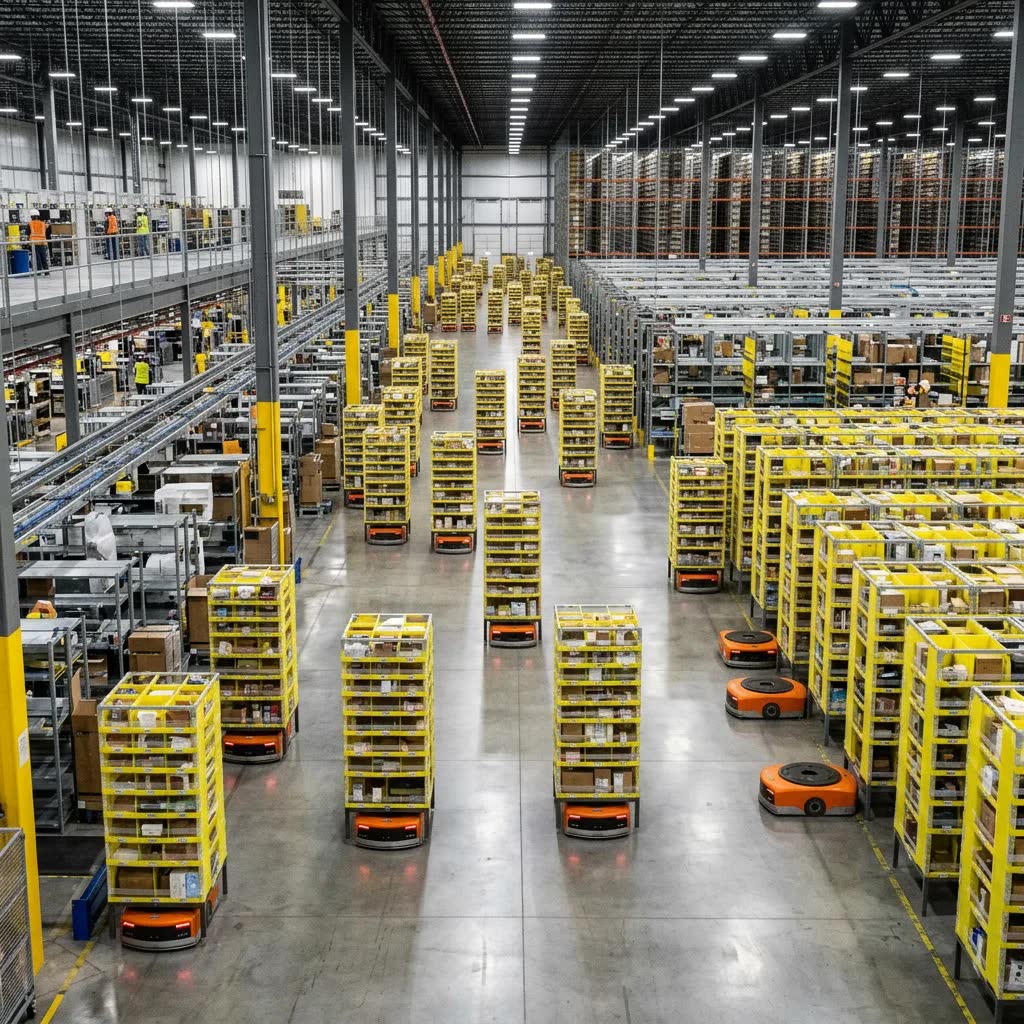
NEW YORK — In a cavernous fulfillment center off the Long Island Expressway in Queens, a fleet of squat orange robots glides across the concrete floor, ferrying towering shelves of packages to human workers who pluck items and send them onward. The scene, repeated across a growing number of logistics facilities in the borough, captures a shift underway in one of the city's fastest-expanding job sectors: the steady arrival of robotics into the warehouses that keep New York's e-commerce habit fed.
Operators say the machines handle the most physically punishing parts of the job — hauling heavy loads across long distances — while people focus on the dexterous tasks that robots still perform poorly, like picking oddly shaped items or resolving mispacked orders. "The robot brings the work to you instead of you walking fifteen miles a shift," one facility manager said, arguing that automation has reduced injuries and made the jobs more sustainable. Companies also tout faster order processing, which they say is essential to meeting the city's appetite for same-day delivery.
For workers, the picture is more mixed. Some warehouse employees welcome the reduction in grueling walking and lifting, and a handful have moved into higher-paying roles maintaining and supervising the machines. Others worry about the pace the robots set and about what happens as the technology improves. "When the robot does more, they need fewer of us," one worker said during a shift break, describing a low-grade anxiety that hangs over the floor. Labor organizers argue the productivity gains have not been matched by wage increases.
The debate plays out against the backdrop of a logistics boom that has transformed swaths of industrial Queens, filling once-vacant lots with distribution hubs and drawing thousands of jobs to the borough. Economic-development officials point to the sector as a rare source of accessible employment for workers without college degrees. But they acknowledge that automation could blunt future job growth even as delivery volumes climb, a tension the city has only begun to grapple with.
Technology suppliers argue that history favors augmentation over wholesale replacement, pointing out that warehouse headcounts have often grown even as automation spread, because demand grew faster still. Skeptics counter that past trends offer little assurance as the machines become more capable, and that the benefits of higher productivity have not always reached the workers who share the floor with the robots. Both sides agree the technology is not going away.
City officials and labor groups have begun discussing retraining programs that would help warehouse workers move into technical roles, though details remain thin and funding uncertain. For now, the robots keep gliding across the floor, and the workers keep picking, in an uneasy partnership that neither fully controls. "I'm not against the machines," one veteran picker said. "I just want to know there's still a place for me when they're done getting better."