A Restaurant-Software Startup Raises Seed Funding to Tame Kitchen Chaos
The Manhattan company sells tools that coordinate orders across delivery apps and in-house tickets, targeting the city's high-volume restaurants.
By Evelyn Torres · July 27, 2026 · 4 min read
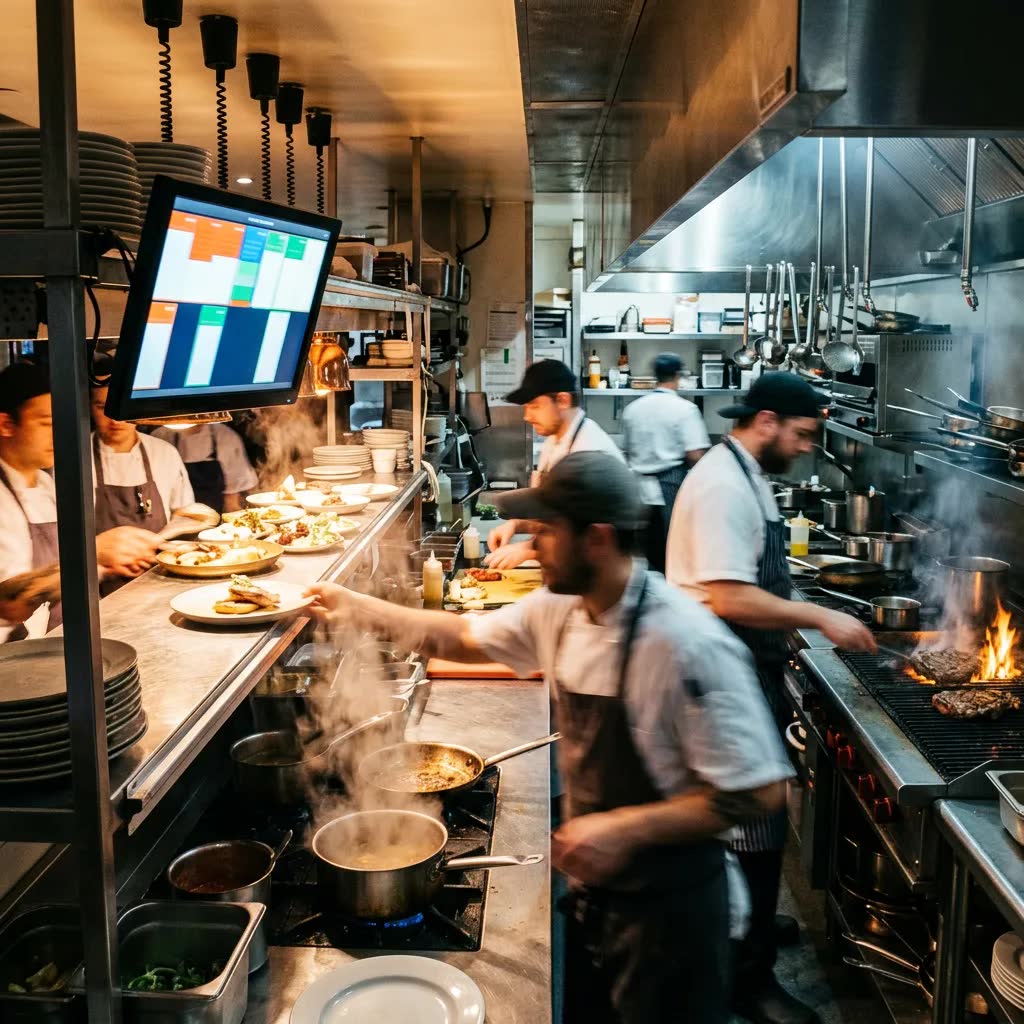
NEW YORK — A Manhattan software startup that helps restaurants coordinate the flood of orders arriving simultaneously from delivery apps, phone calls, and in-person tickets said this week it had closed a seed funding round to accelerate product development and sales. The company pitches its software as a way to reduce the chaos that erupts in busy kitchens when multiple order streams collide, a problem it says has grown acute as delivery has become central to many restaurants' revenue.
The founders, who include a former restaurant manager, said the idea grew directly out of the frustration of juggling a wall of tablets, each tied to a different delivery platform, during dinner rushes. Their software consolidates those orders into a single, prioritized queue and syncs them with kitchen and front-of-house workflows. "We built the thing we wished we had at eight o'clock on a Friday," one cofounder said, describing the pain point as universal among high-volume operators.
Investors said they were attracted by the size and density of New York's restaurant market, which offers both a large pool of potential customers and a demanding testing ground for software that must perform under pressure. They also cited the broader shift toward delivery, which has left many restaurants managing complex, fragmented order flows without adequate tools. The company declined to disclose the exact size of the round.
Restaurant operators who have tried the software offered mixed but generally positive early feedback, praising the consolidation of orders while noting that adopting new systems mid-service carries real risk. Some cautioned that any tool is only as good as its integration with the patchwork of platforms restaurants rely on, and that reliability during peak hours is non-negotiable. The company said it had focused heavily on stability for exactly that reason.
The startup faces competition from larger point-of-sale and delivery-management companies, and analysts said standing out would require demonstrating measurable savings in time and labor. Still, they said the fragmentation of restaurant technology left room for focused tools that solve specific, painful problems well. The company said it planned to expand first within the city before pursuing other dense urban markets.