Reviving Lenape Heritage in the New York Region
Descendant communities and museums are increasing programs and place-name restorations to acknowledge the region's Indigenous history.
By Sofia Martell · December 12, 2025 · 4 min read
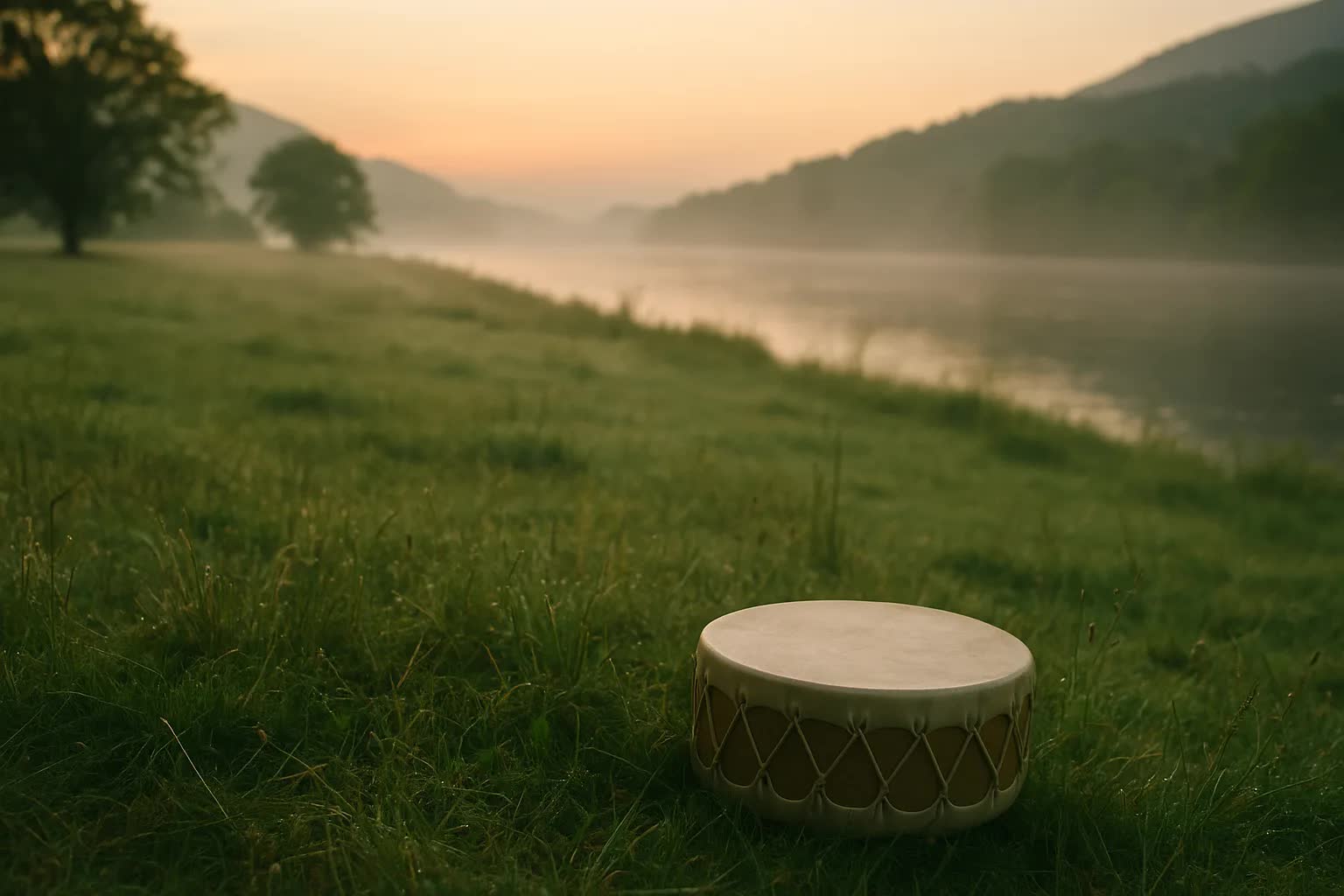
NEW YORK — In a city built on layers of migration and reinvention, a quieter, steadier movement is reshaping the names on maps, the narratives in museums and the programming in schools: a Lenape cultural revival that is reclaiming the region’s Indigenous roots. From the cobblestones of Lower Manhattan to the bluffs of Staten Island and the riverfront in Hoboken, descendant communities and partnering institutions are pushing to restore place names, expand language and craft programs, and install interpretive signage that centers Lenape history and presence in the New York metropolitan landscape.
For centuries the Lenape, whose ancestral territory encompassed what is now New York City and parts of New Jersey, Pennsylvania and Delaware, were displaced through treaties, purchases and policies that erased many traces of their life on the land. City historians and Indigenous advocates say that the erasure accelerated in the 19th and 20th centuries as neighborhoods like the Lower East Side, Tribeca and the Shore of Staten Island were reshaped. Restorations now aim not only to correct historical omission but to foreground living cultures and contemporary descendant communities.
Museums and cultural organizations have widened collaborations with Lenape descendants to cocurate exhibitions and land acknowledgments that go beyond ritual statements. "This work is not symbolic alone; it is a practical reweaving of relationships between people and place," said Nia Twofeathers, executive director of the Lenape Heritage Trust, which maintains a community center in Inwood near Broadway and Dyckman Street. In the last three years the trust has led workshops on traditional canoe building and seasonal foodways at Inwood Hill Park and the Hudson River shoreline.
Quantifiable shifts underscore the narrative changes: since 2020 more than 27 official or semi-official place-name restorations have been recorded across the five boroughs and adjacent New Jersey waterfronts; 120 interpretive panels and wayfinding signs referencing Lenape history have been installed or are planned; roughly $3.2 million in public and private grants have been funneled into community-led programs; and more than 45 public schools in Manhattan, Queens and northern New Jersey have adopted classroom units on Lenape history and language development. These figures, compiled from municipal records and nonprofit reporting, mark a significant uptick over the preceding decade.
The restorations range from small street co-namings to broader redesigns of public spaces. In the East Village a pocket park off Avenue A now features a bronze plaque recognizing an Indigenous settlement that predated the grid; in Gowanus a reclaimed waterfront walkway has been given its Lenape name in partnership with a Brooklyn descendants committee; and along the North Shore of Staten Island a rehabilitated tidal marsh has signage in both English and Munsee, one of the Lenape dialects. Developers and community boards have alternated between cooperation and pushback, but many projects have succeeded where local descendant input was central to planning.
Exhibitions have taken on collaborative forms. The Hudson Museum, a small institution near the financial district that reopens in a renovated historic warehouse, partnered with Lenape artists and language teachers for an exhibition this fall. "We refuse the museum-as-authority model; instead we are stewards of displays that the Lenape community helps shape," said Dr. Marcus Kipp, curator of Indigenous Collections at the Hudson Museum. Programs paired museum objects with living-arts residencies and evening circles where families could learn songs, names for plants and the geography of Long Island Sound.
Public agencies are also feeling pressure to change how they present the city's geography. Transit and parks officials have piloted bilingual trail signs and added Indigenous toponyms to tourist maps. "Wayfinding is a matter of safety and clarity, but it is also about whose stories get told on the way there," said a senior MTA planner who requested anonymity to speak candidly about ongoing signage pilots that include Lenape place names at selected subway stations in Lower Manhattan and northern Queens. Planners say the trials will guide a larger rollout pending budget approvals.
Descendant communities emphasize that the work is rooted in everyday practice, not only in plaques and programs. Small businesses in neighborhoods like Harlem and Jersey City have started carrying traditional foods and crafts, and community language classes meet in school basements and synagogue halls in the Bronx. "Restoring names and teaching our language is how we pass care for the land to the next generation," said Lila Tawes, a Lenape educator and organizer based in Bedford-Stuyvesant who runs pop-up language sessions on Saturdays at a storefront gallery on Fulton Street. She added that younger Lenape people are increasingly visible in planning meetings and cultural events.
Looking ahead, stakeholders say the next phase will be deeper legal recognition, more sustained funding and expanded education partnerships that make Indigenous history part of standard curricula rather than extracurricular programming. Plans under discussion include a multiyear Lenape cultural corridor along the lower Hudson, a shared digital archive of oral histories and opportunities for co-management of certain parklands. Advocates caution that these initiatives require long-term commitments, but many see this period as a turning point: after generations of marginalization, Lenape heritage is returning to the maps, the museums and the streets of the region in ways that aim to endure.