Rikers to Cloud: How City Courts Are Migrating Records to Digital Repositories
A phased transition promises efficiency gains but also raises data-security and civil-liberties concerns.
By Olivia Park · December 19, 2025 · 4 min read
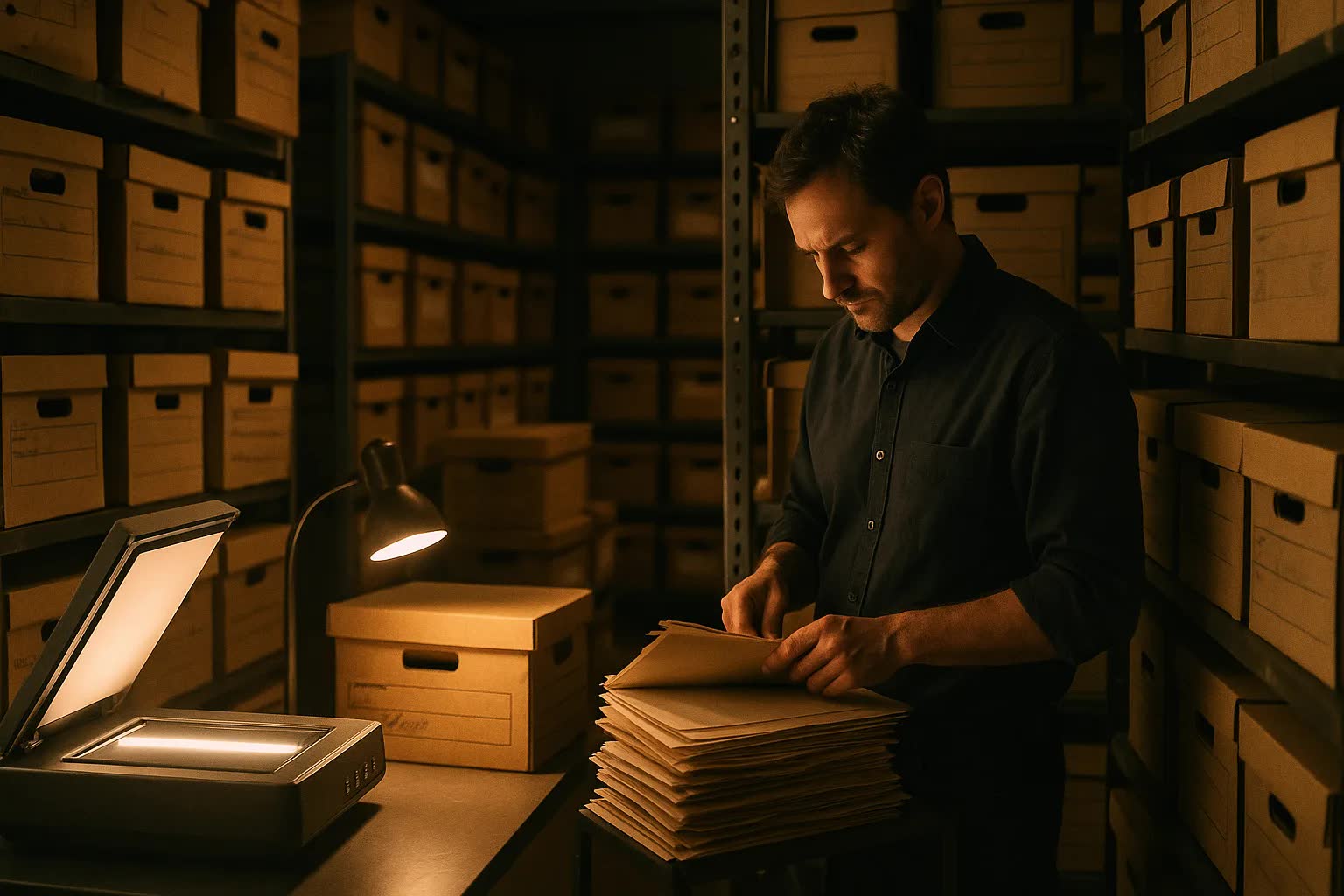
NEW YORK — City courts are moving decades of paper case files, inmate records and administrative documents off rickety shelves at facilities from Rikers Island to downtown courthouses and into centralized digital repositories, a phased migration city officials say will speed proceedings and reduce costs but that civil rights advocates warn could increase the risk of breaches and surveillance in neighborhoods such as Hunts Point, Sunset Park and Harlem.
The Office of Court Technology, in coordination with the Mayor's Department of Digital Services and the City Clerk's Office, has begun a multi-year program to scan, index and house records in a hybrid cloud environment under a contract overseen by the Municipal Data Authority. Pilots launched this fall included a batch of misdemeanor dockets from Manhattan Criminal Court near Foley Square and a set of pretrial detention logs from Rikers, with plans to expand to family court and housing court files stored in Brooklyn Heights and the Bronx County Courthouse on the Grand Concourse.
"We are not simply replacing boxes with servers," said Marisol Vega, deputy administrator for the Office of Court Technology. "The goal is to create searchable, auditable records that reduce delays at arraignments on Centre Street and prevent redundant paperwork for defenders and prosecutors alike." Vega said the work teams are coordinating with clerks in community courts in Staten Island's St. George neighborhood to tailor workflows to local needs.
Proponents say digitization will shrink the backlog of files that routinely slow criminal and civil hearings. City attorneys note that attorneys in private practice and staff at legal aid offices in neighborhoods like Bedford-Stuyvesant and Washington Heights spend hours each week chasing physical files, and that judges have been forced to postpone hearings when key documents are trapped in transit between boroughs.
City memoranda obtained by NYDailyWatch detail the expected scale: 3.4 million closed and active case files, totaling roughly 12 million pages, will be digitized in stages over five years at an estimated program cost of $118 million. Initial targets call for migrating 600,000 files from Manhattan and the Bronx by June 2026, an additional 1.2 million from Brooklyn and Queens by the end of 2027, and daily ingestion of 1,500 new records once the system reaches full capacity; officials say the platform will support about 18,000 authorized users and employ encryption meeting AES-256 standards with a 99.95 percent uptime guarantee.
Data security and civil-liberties advocates contend the risks are real. Even encrypted data can be vulnerable through misconfigured access controls, third-party subpoenas, or algorithmic searches that flag low-level defendants. Community activists in East Elmhurst and Sunset Park have expressed concern that increased digital access could make it easier for private companies to compile dossiers on residents with limited notice or recourse.
"Digitization offers clear administrative benefits, but without strict limits it creates new surveillance pathways," said Amira Johnson, senior counsel at the New York Privacy Project. "We are pressing for rigorous audit trails, minimized data retention, and clear rules about who can query records and for what purposes." Johnson said her group is calling for public privacy impact assessments before the full migration proceeds.
Technical hurdles remain substantial. Many older files exist only on brittle paper, handwritten court logs, or on microfilm stored in basements at 100 Centre Street and in Kings County records rooms near Tillary Street. Clerks in Queens Housing Court said scanning such material requires manual transcription to render the documents searchable, and that OCR errors are common in faded, typewritten documents. The city has budgeted for about 120 contract staff for the scanning effort and plans to retrain dozens of court clerks for new digital workflows.
Procurement documents show the city has engaged a consortium of vendors for storage, indexing and cybersecurity support, and has written strict contractual oversight into the agreement, including quarterly vulnerability tests and third-party audits. Still, public defenders and privacy lawyers have urged the City Council's Government Operations Committee, which held a closed-door briefing in late November, to require additional community oversight and a clear redress process if information is improperly accessed or used, particularly for residents arrested on Rikers who often return to neighborhoods like Hunts Point and Mott Haven.
City leaders say the phased approach allows time to refine safeguards and to adapt to user feedback from courts across the boroughs, but advocates say the timeline must be paired with transparency. In the months ahead the city plans to release a public dashboard showing migration progress and incident reports, and stakeholders expect continued debate over retention policy and permissible search practices as the program moves from pilot to scale.