Rockaway Beach Surf Music Festivals Draw City Crowds
Local promoters are leaning into surf culture with multi‑day seaside lineups that attract New Yorkers looking for a beachside music festival close to the city.
By Olivia Park · April 17, 2026 · 4 min read
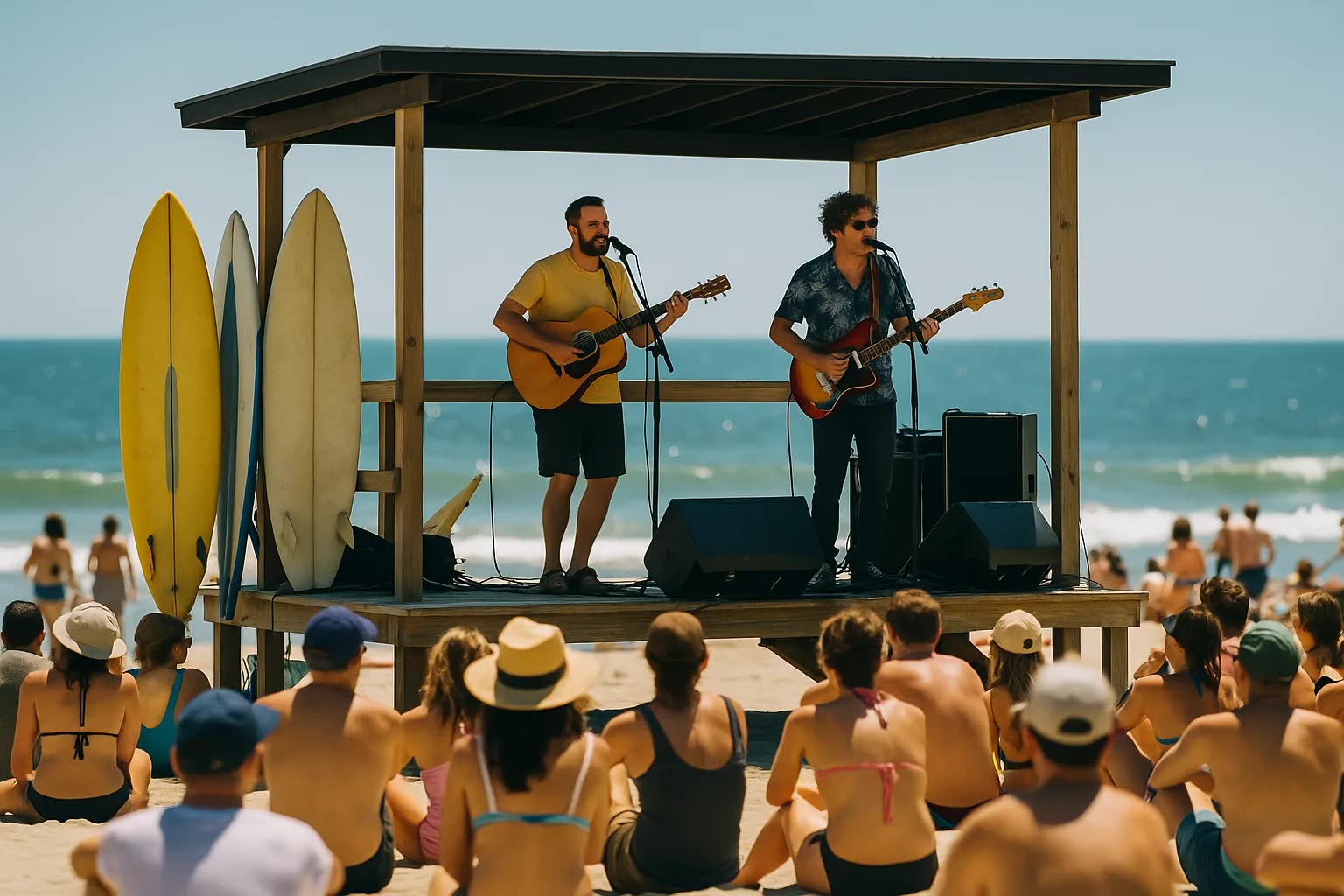
On a sun-washed Saturday at the Rockaway Boardwalk, New Yorkers poured off the A train and filtered past the rattling carousel at Beach 92nd Street toward a stage framed by sand dunes, surfboards and a line of food trucks; it was the kind of neighborhood scene that suggests Rockaway Beach is no longer a summer weekend outpost but a year-round destination for seaside music festivals. Local promoters are leaning into surf culture with multi-day lineups that promise reverb-heavy guitars, vinyl vendors and beachside camping just 45 minutes from Midtown, offering a beachside music festival that keeps the city close enough for concert-goers to commute home the same night.
The festivals, many organized by small Queens-based companies and collectives, have multiplied along the peninsula from Arverne north to Breezy Point over the past three seasons as promoters tap both nostalgia for 1960s surf music and a new wave of bands that blend punk, garage and instrumental rock. Organizers say the formula — short walking distances from subway stops, curated local food and pop‑up surf shops — appeals to Brooklyn and Manhattan audiences who want an authentic beach experience without the long drive to the Jersey Shore or Long Island.
“The waves are the star, but the music gets people to the water,” said Marco Alvarez, co‑founder of Shoreline Sounds, a Rockaway promoter that staged three weekend festivals last summer at Beach 90th Street. “We program daytime family sets and later-night electric shows so people who live in Astoria or the Lower East Side can leave after work and still catch a band.” Alvarez said his company has shifted more of its production budget into portable infrastructure — fencing, ADA walkways and sound shells — to meet city permitting standards and neighborhood concerns.
Local small-business owners along Rockaway Beach Boulevard said the festivals are a mixed blessing: full restaurants and packed surf schools during events, but also extra trash and occasional amplified noise well after midnight. “Friday night we had to turn tables twice because the crowd spilled in,” said Jamal Rivers, owner of Boardwalk Bites, a burger shop near Beach 97th Street. “It’s good for business, but we tell promoters to cover cleanup and respect the block party rules so residents can sleep.”
Community groups and civic organizations say they are negotiating terms with promoters to protect year‑round residents as the events scale up. “We don’t oppose events, we want to shape them,” said Sonia Patel, executive director of the Rockaway Neighborhood Alliance, which has worked with festival organizers to secure local vendor slots, affordable shuttle prices and noise curfews. “These festivals can fund local internships and pay for lifeguards if handled transparently,” Patel added, emphasizing community benefit agreements that her group is pushing for in permit talks.
Organizers and city agencies supplied a set of concrete figures to underscore the festivals’ scale: most events run three days; average daily attendance ranges from 8,500 to 12,000 people; promoters book 25 to 40 bands across three stages; local vendor booths number between 30 and 60 per event; estimated direct spending by attendees at nearby businesses runs about $1.1 million per weekend; the Parks Department issues temporary event permits that can cost between $15,000 and $40,000 depending on size and services required; and the NYPD typically assigns a staffing increase of 20 to 40 officers for crowd control during peak days. Sanitation data compiled informally by local councils showed about 74 noise complaints and 120 sanitation service calls last season tied to larger festivals.
Musically, the lineups lean into a hybrid of classic surf rock — reverb-rich guitar instrumentals and tight four-piece bands — and contemporary acts that incorporate indie rock and synths into a beach palette. Promoters say the crowd mix varies from teenagers traveling from Bay Ridge and Bensonhurst to middle-aged surfers who remember old rockabilly records, alongside families who attend daylight sets at low volume. Pop-up record fairs, second‑hand wetsuit vendors and late-afternoon sandcastle competitions all form the peripheral programming designed to keep the festivals family friendly through the weekend.
Transit officials and neighborhood leaders have had to balance convenience with capacity: the A train is the primary subway access point and buses and private shuttles supplement service during weekend events. “We’ve added extra shuttle buses from Broad Channel and ditched some midday turnbacks on the A line on festival days to increase capacity,” said Lena Morse, senior transit planner at the Metropolitan Transit Authority. “It’s a juggling act — we monitor passenger loads and run supplemental service when crowding reaches thresholds, but riders should expect delays and plan for longer waits on busy summer Saturdays.” Police and Parks staff have also established staging areas at Beach 116th Street and in front of Fort Tilden to coordinate medical response and lost-and-found operations.
Some residents worry that the festivals will accelerate commercial change in neighborhoods that have struggled to maintain affordable housing and year‑round services. Longtime tenant associations in Far Rockaway and Edgemere say they want clearer guarantees that local artists, older residents and independent businesses will not be priced out. At the same time, property owners and new eateries point to rising weekend foot traffic as a reason to invest in storefront improvements and storm-resilient infrastructure, a trend that dovetails with municipal resilience projects along the peninsula.
Promoters and community leaders say the test for Rockaway’s festival boom will be whether it can grow without pushing out the neighborhood character that makes it unique. Shoreline Sounds and other organizers are negotiating multi‑year permits and exploring a summer calendar that extends from Memorial Day through Labor Day, with tighter curfews, deeper community benefit agreements and a new environmental fund for dune restoration. “We want to be part of Rockaway’s next chapter, not its rewrite,” Alvarez said, as plans take shape for a spring‑to‑fall schedule that would give residents and city officials more time to assess impacts and benefits.