Run Clubs Have Quietly Become the City's Favorite Way to Make Friends
Free weekly group runs ending in coffee or a beer are drawing newcomers less interested in pace than in finding their people.
By Marcus Bell · July 25, 2026 · 4 min read
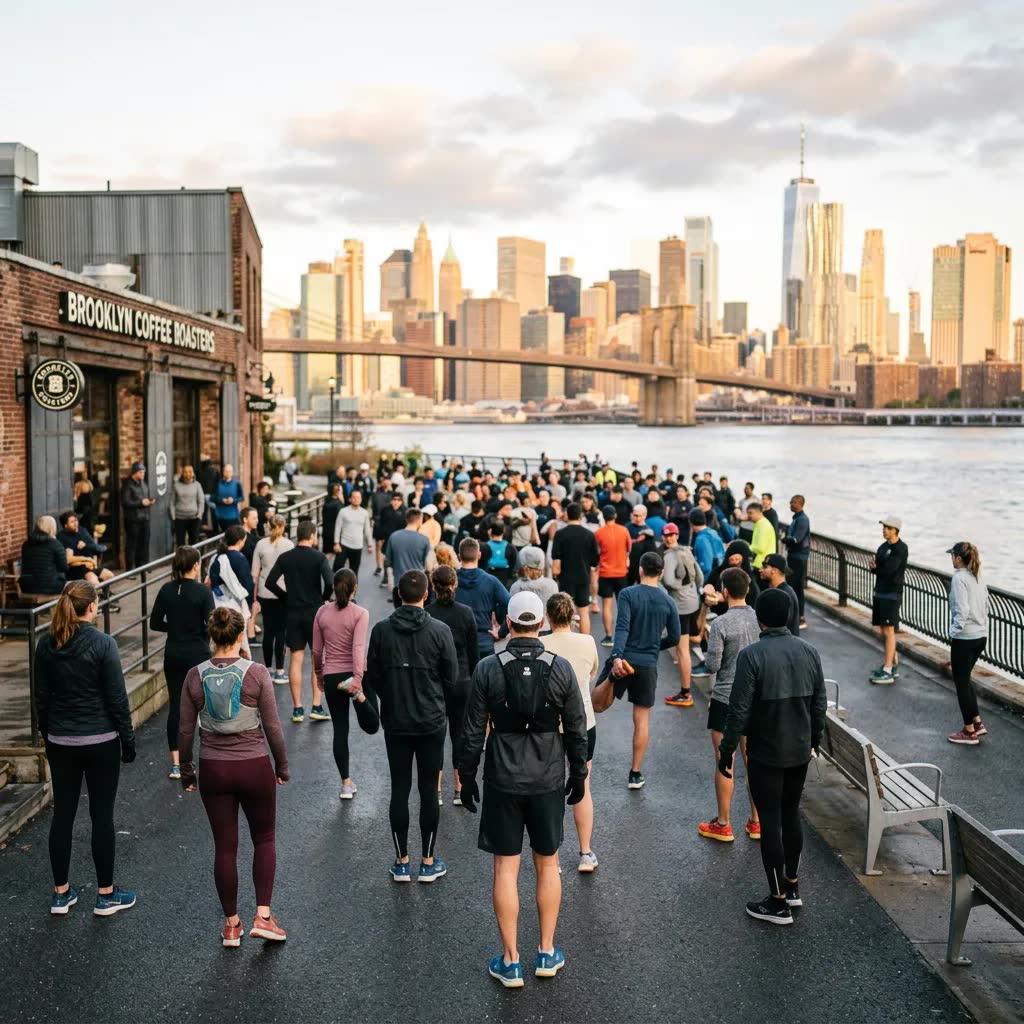
NEW YORK — At 7 a.m. on a Wednesday, a crowd of more than a hundred people gathers outside a Brooklyn coffee shop in running shoes, chatting and stretching before spilling out along the waterfront in a loose, chattering pack. They are not training for anything in particular. They have come, mostly, for each other — part of a wave of free social run clubs that has quietly become one of the city's most popular ways to make friends in a summer when everyone seems to be looking for their people.
The clubs, organized loosely through group chats and social media, share a common shape: a standing weekly meetup, a route through a scenic stretch of the city, a range of paces so nobody is left behind, and — crucially — a coffee or a beer at the end where the real socializing happens. The running, participants say, is almost a pretext, a low-pressure structure for meeting strangers that sidesteps the awkwardness of dating apps and the expense of a night out.
"It's the easiest way to meet people I've ever found," said a recent transplant who joined a Manhattan club a few months after moving to the city and now knows it as her main social circle. "You're side by side instead of face to face, so the conversation just happens. And by the time you're standing around with a coffee afterward, you've already got twenty people you sort of know." Several members described friendships, roommates, and even relationships that began mid-stride.
Organizers emphasize inclusivity, insisting the clubs are not the domain of hardened marathoners. Most publish their routes with clear pace groups, welcome walk-run beginners, and frame the miles as secondary to the community. "We tell people the only requirement is that you show up," said one club's volunteer leader. "Some of our most loyal members finish near the back and don't care one bit. They came for the coffee and the crew, and we love that."
The boom has its critics, who note that the largest clubs can swell to unwieldy sizes and that a scene built on socializing can feel cliquish to genuine newcomers. But the leaders insist the movement's core is sturdier than any trend, rooted in an old truth the city keeps rediscovering. "People are lonely, and moving your body with other humans is one of the oldest cures there is," the volunteer leader said. "We just added coffee."