Short-Term Rentals Grow on Upper West Side Despite New Enforcement
Neighbors say noise and turnover are up as hosts list apartments in residential buildings, prompting calls for stricter inspections.
By Dominic Russo · December 11, 2025 · 4 min read
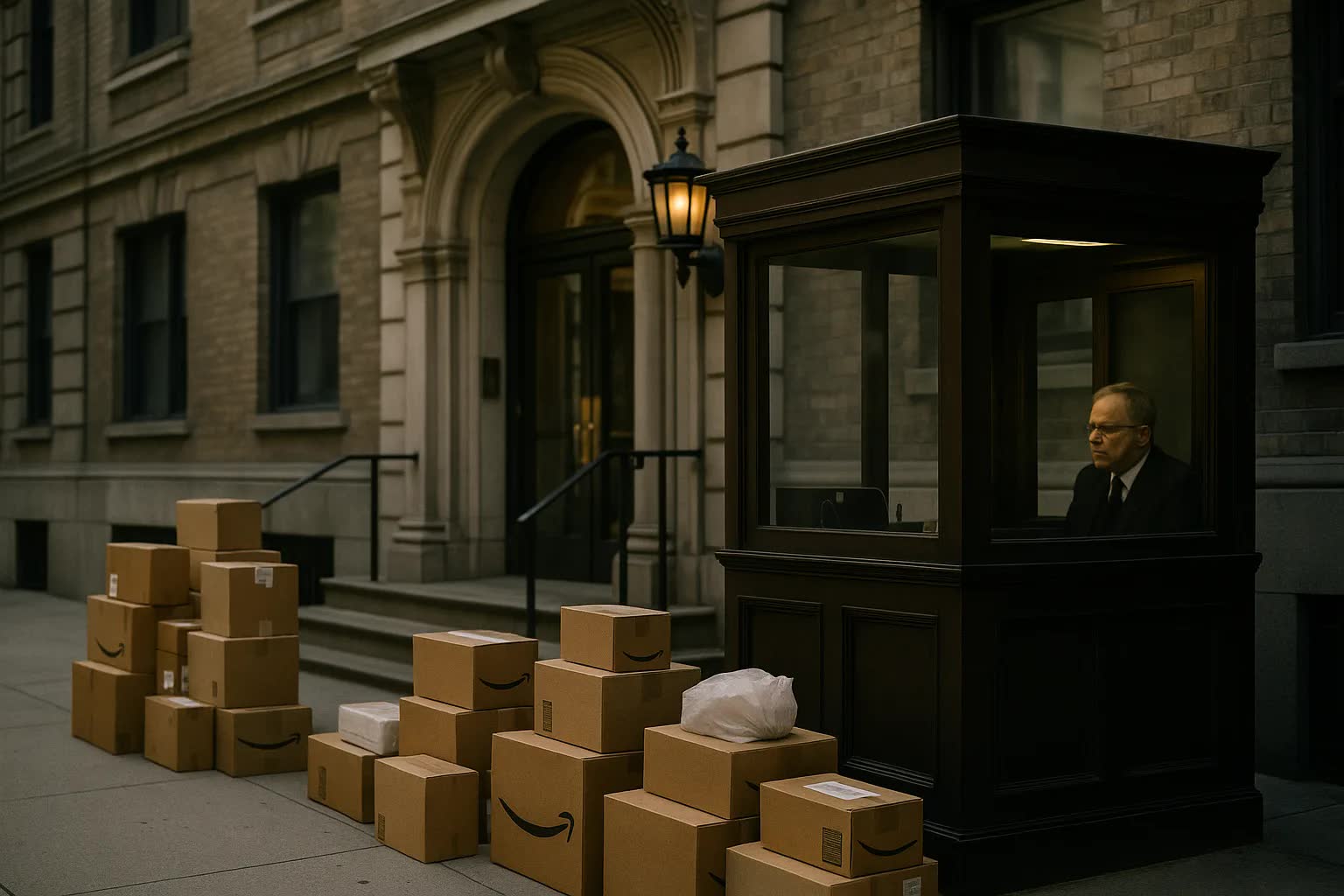
NEW YORK — On the Upper West Side, a neighborhood of brownstones, late‑night deli lines and the promenades of Riverside Park, short‑term rentals are proliferating even as city inspectors step up enforcement, neighbors say, transforming once-stable apartment buildings into de facto hotels and heightening tensions over noise, security and the character of residential blocks.
Residents on West 72nd Street and in the vicinity of Lincoln Center report an uptick in transient guests arriving with suitcases and delivery bags, lingering through weekends and clogging lobbies that once felt private. "People moved here for quiet, for block associations and for knowing who walks down your hall — now you get a different person every three nights," said Elena Morales, president of the West 72nd Street Block Association. "It feels like we are losing our neighborhood to a new kind of turnover."
The growth comes despite a city crackdown introduced this year that targeted platforms and hosts who operate rentals that are not the primary residence of the person listing them. Inspectors from the Department of Buildings have carried out surprise checks on co‑ops and condo buildings from West End Avenue to Columbus Avenue, and the Department of Housing Preservation and Development has stepped up complaints processing, but residents say the measures have not kept pace with the inventive ways hosts market units.
Hosts and small management companies say they are responding to market demand and to the need to cover rising rents and maintenance in older buildings. "We vet every guest, register the stays and follow the registration rules the city set out earlier this spring," said Marcus Chen, founder of UpperStay Rentals, a small Manhattan short‑term management firm. "There is a real economic need in neighborhoods where many long‑term tenants are struggling — and there are legal ways to provide temporary housing without disrupting buildings."
But the data compiled for this story suggest a complex picture. NYDailyWatch counted 1,120 active short‑term listings in the Upper West Side ZIP codes 10023 and 10024 in November 2025, up 9 percent from November 2024; the Department of Buildings reported receiving 312 complaints about illegal rentals in the same area since January. City agencies issued 64 violations and 22 vacate orders tied to short‑term‑rental rules this year, and booking platforms submitted takedown notices for 178 listings that DOB flagged for potential violations. The median advertised nightly rate for those Upper West Side listings was $239, and the median stay reported in platform data was three nights.
Neighbors say the consequences are tangible: repeated noise violations, strangers congregating outside entryways and added wear on elevators and trash rooms. Co‑op boards along Amsterdam Avenue and blocks near Cathedral Parkway report mounting paperwork as they confront owners who deny long‑term intentions for units. "We have seen patterns of multiple same‑week bookings in single units, and it undermines co‑op governance because so much of our enforcement depends on being able to hold an owner accountable for consistent residency," said Miriam Patel, chair of a Riverdale–area co‑op oversight committee who consults with several Upper West Side boards.
City inspectors acknowledge enforcement limits but say the agency is refining tactics. "We can only act on clear violations, and hosts have adapted quickly to the letter of the law by splitting listings or using intermediaries," said Rafael Torres, a senior inspector with the Department of Buildings' short‑term rental task force. "We are increasing data‑sharing with platforms and using more targeted sweeps — but proving non‑primary residency often requires paperwork that can take weeks to assemble."
Platforms and advocacy groups argue for clearer rules and better technology to flag repeat offenders and multiple listings tied to a single owner. Local landlords say the revenue from short‑term stays can make the difference between maintaining an older building and deferring repairs. Urban policy researchers warn of second‑order effects: rising rents, displacement pressure on long‑term renters and shifts in neighborhood amenity mixes. "When housing stock is diverted to short‑term use, the supply available to year‑round residents tightens, and the granular social fabric of places like the Upper West Side frays," said Dr. Harriet Kline, assistant professor of urban policy at Hudson University.
Legal remedies remain contested. Some community boards on the Upper West Side are pushing the City Council for stiffer civil penalties and faster administrative hearings; building managers are pursuing private litigation in cases involving safety breaches. Yet owners and small managers exploit loopholes — subletting clauses, purported guest stays of host presence — that make enforcement a game of paperwork and timing. At a recent community meeting at the 92nd Street Y, residents pressed for on‑the‑spot fines and better tip lines for reporting suspected illegal units.
Looking ahead, both sides say the next months will be pivotal: the city plans to pilot data‑sharing agreements with more platforms and to expand targeted inspections in early 2026, while community groups are organizing neighborhood registries to document patterns of turnover. For Upper West Side residents who prize day‑to‑day familiarity, the hope is that a mix of technology, tougher penalties and neighborhood vigilance will restore balance — or else the blocks between Central Park West and Riverside Drive may continue to feel more like part‑time hotels than full‑time homes.