South Bronx Grocery Co-op Opens to Fill Food-Desert Gap, but Financing Remains Fragile
Organizers celebrate a first store in years but warn that sustaining low prices will require ongoing subsidies and local buy-in.
By Samuel Green · April 18, 2026 · 4 min read
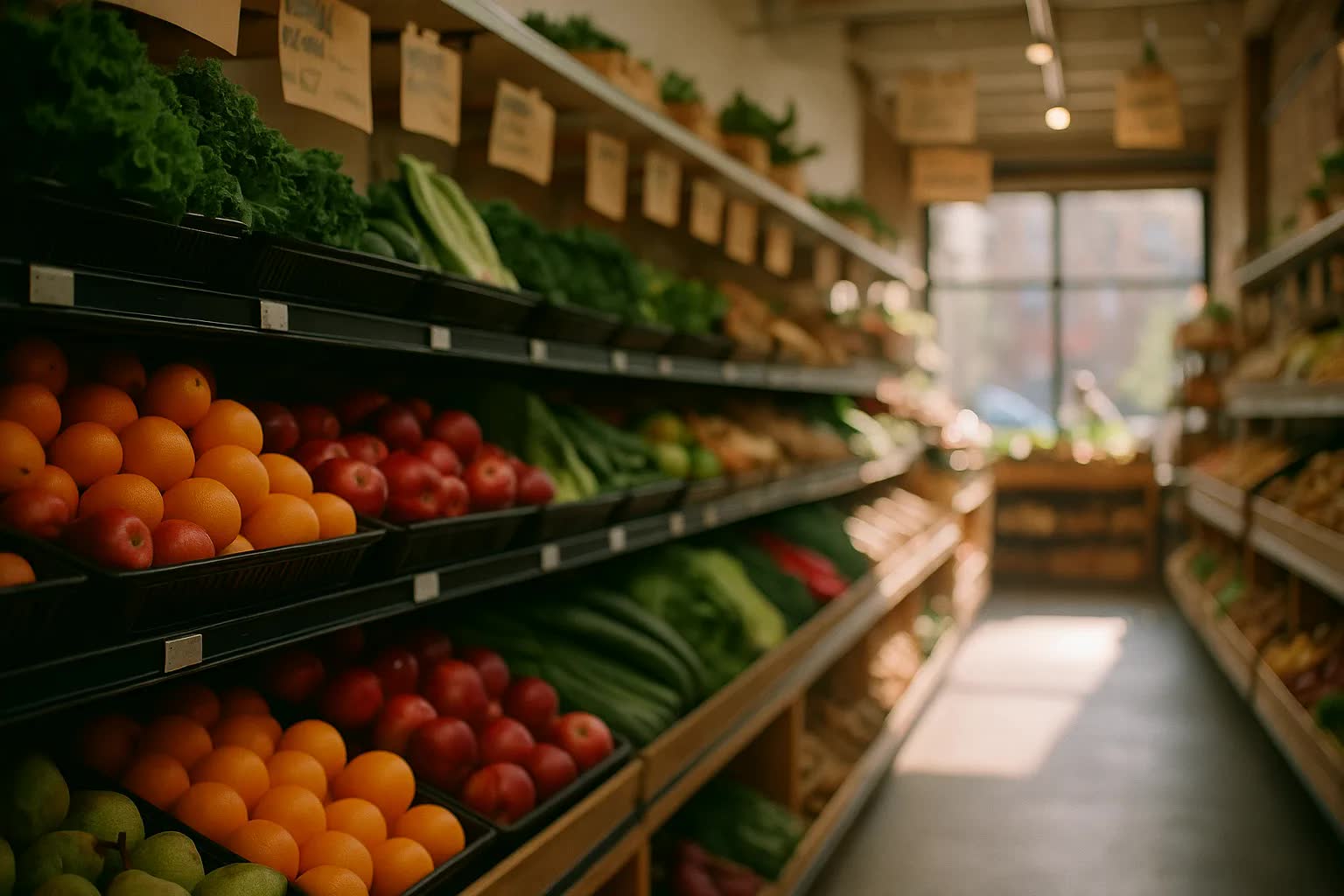
NEW YORK — On a rain-slick morning in Mott Haven, where a laundromat, two bodegas and a shuttered pharmacy once defined a half-block of Third Avenue, the South Bronx’s long-awaited community grocery opened its doors, promising steadier access to affordable produce and household staples in a neighborhood repeatedly labeled a food desert. Organizers celebrated a first full-service, community-owned grocery in years as a corrective to years of corner-store reliance, but they and local leaders were candid that keeping prices low and shelves full will hinge on a fragile mix of grants, member capital and government subsidies.
The South Bronx Co-op, a cooperative run by a volunteer board and staffed mostly by local hires, occupies 3,800 square feet at 271 East 149th Street, a storefront visible from the 149th Street–Grand Concourse subway stop. The project traces to a 2019 planning effort led by the Mott Haven Community Land Trust and the Hunts Point Neighborhood Alliance and stalled during the pandemic; the new store represents the first major attempt in decades to anchor fresh-food retail within walking distance for thousands of residents who have long relied on corner groceries and distant supermarkets in Westchester or central Bronx shopping strips.
"We wanted a place our neighbors could afford to shop every week, not just when the farmers market is here," said Marisol Rivera, executive director of the South Bronx Co-op and a Mott Haven native, as volunteers restocked crates of plantains and heads of cabbage. Rivera said the co-op will use a sliding-scale membership model to hold prices below private supermarkets while investing profits back into the community, but she acknowledged that the model requires steady outside support to survive the early years.
The startup financing that got the doors open consisted of an amalgam of community capital and public dollars that organizers say will need renewal. Initial funding included a $400,000 municipal grant from a city food-equity program, $500,000 in member and neighborhood investments, and a $300,000 loan from East River Community Credit Union, according to co-op financial filings. Those sums covered buildout, initial inventory and six months of operating expenses, but the co-op’s board says recurring operating subsidies of roughly $150,000 a year will be necessary to keep staple prices competitive and to cover loan repayments.
Inside the store on opening week, the numbers were concrete: the space holds 1,200 distinct stock-keeping units, including 18 varieties of fresh fruit and 12 cuts of meat sourced from Bronx suppliers; 25 full-time and part-time employees were hired with starting wages of $17.50 to $19 per hour and part-time health stipends; opening day drew 820 shoppers, about 65 percent of whom used SNAP benefits; and the one-mile service area contains an estimated 43,000 residents with a median household income of roughly $28,400, according to the co-op’s own market study.
Sourcing partnerships have been prioritized with local vendors rather than national chains. The co-op has contracts with three wholesale operations that operate out of Hunts Point and a new boxed-produce program with Harlem River Farm, an urban farm in Port Morris. Organizers say that local sourcing shortens supply chains and keeps prices down but also increases volatility because Bronx wholesalers lack the buying clout of national distributors. Refrigeration and logistics are handled on-site, with a rented refrigerated van for twice-weekly deliveries, and managers are experimenting with a delivery slot for senior residents on Bronx River Avenue.
"This proves you can build a neighborhood grocery that pays living wages and still sell a head of lettuce for less than a corner store," said Rashid Khan, a longtime Hunts Point produce wholesaler who brokered the co-op's early supplier deals. "But wholesale prices go up in a heartbeat, and lenders don't like that kind of variability. We need an ongoing cushion — not just one-time grants."
City and state policy makers have watched the project closely as a test case. Officials involved in food-access initiatives say the co-op could qualify for recurring appropriations in the next state budget cycle — funds that would be administered through a food-equity line item created three years ago — but advocates warn that Albany faces competing priorities and that one-time seed grants will not close the gap. Local community boards have pledged non-financial support, including marketing and volunteer staffing, but the co-op faces higher-than-average utilities and real-estate costs in an area where commercial leases rose nearly 7 percent over the past two years.
Neighbors at the opening expressed a mixture of relief and skepticism. "I used to take two trains to get fresh fruit for my kids; now I can walk here," said Denise Ortiz, a 42-year-old Mott Haven resident and nursing assistant, who said the co-op shaved about $12 off her usual weekly bill. Others noted the challenge of building regular shopping habits; older residents who have long relied on bodegas remained cautious. Local youth groups turned out to hand out reusable bags, and a pop-up nutrition class drew a dozen attendees who signed up for the co-op's discount-for-volunteer-hours program.
Beyond the celebratory ribbon-cutting, organizers are already planning membership drives, a winter subsidy campaign and a pitch to Albany for stable, recurring funding tied to food-access metrics. The board aims to reach 2,500 active member-shareholders within a year and says it will track price gaps between the co-op and nearby supermarkets on East Tremont Avenue and in Fordham to demonstrate impact. For now, the store represents both relief and an experiment in whether community ownership, blended financing and local sourcing can weather the economic pressures that have shuttered neighborhood grocers in the Bronx before — a test whose outcome will shape similar efforts across the city.