Speakeasy-Style Cocktail Bars Are Reemerging in the East Village With Local Spirits and Softer Lighting
Bartenders are leaning into neighborhood histories and seasonal, locally distilled ingredients to differentiate intimate late-night experiences.
By Caroline O'Neill · December 11, 2025 · 4 min read
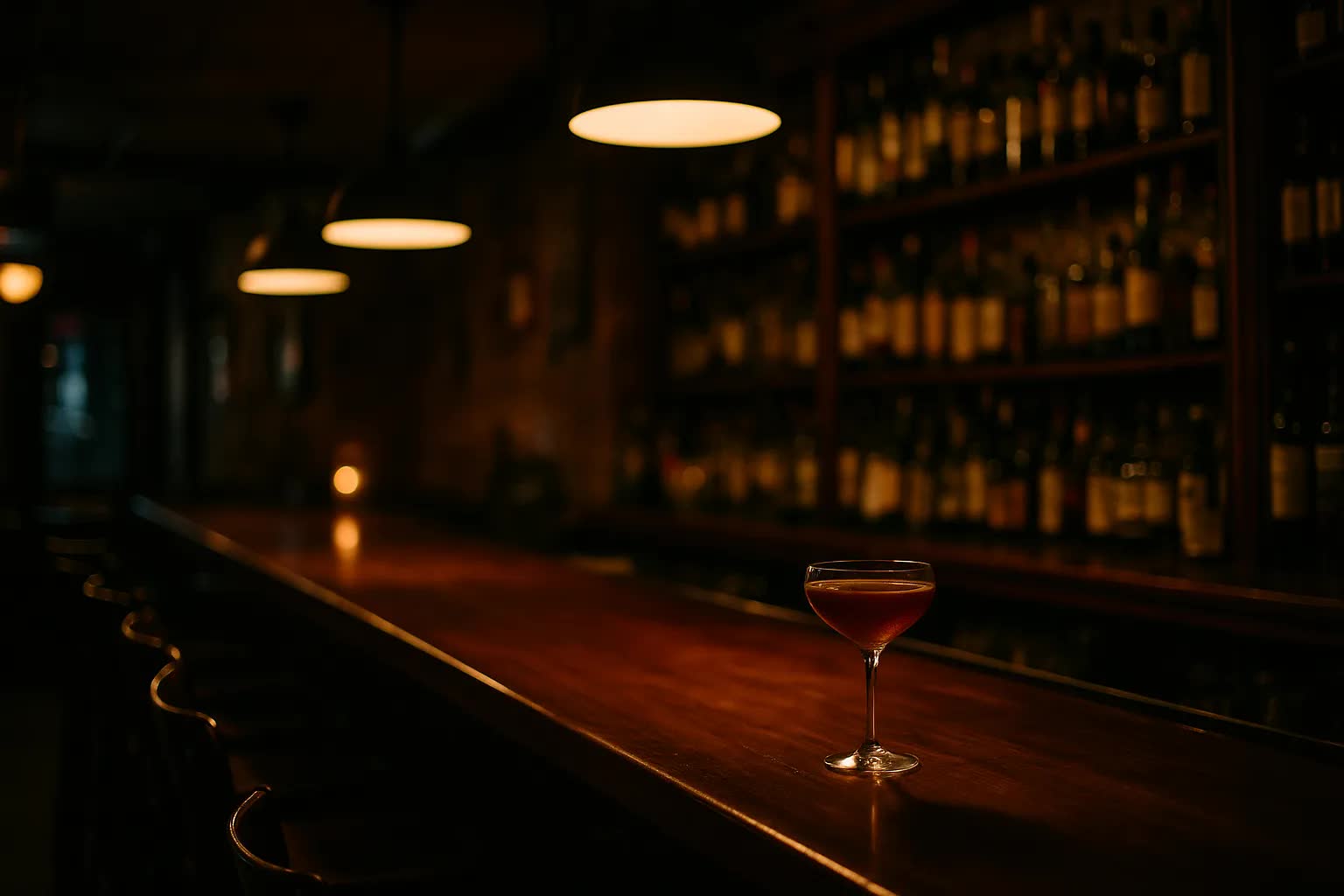
On a chilly December night in the East Village, the low hum of conversation spills onto St. Mark's Place as patrons slip into unmarked doorways and stairways lit with amber bulbs, drawn not by neon but by the promise of carefully calibrated cocktails and neighborhood stories folded into every glass. The trend, visible along avenues A through C and in the blocks around Tompkins Square Park, is a deliberate tilt away from high-volume nightlife toward smaller, speakeasy-style rooms that foreground locally distilled spirits, softer lighting and menus that change with the seasons.
Bartenders and owners say the movement is as much about texture as it is about taste: dimmer switches that encourage conversation, lamps and candles chosen to flatter faces and bottles, and service paced to allow time for the drink’s aromas to unfold. At 140 Avenue A, a tucked-in bar called The Lantern Room has installed dimmers and smaller tables to discourage turning customers every 45 minutes. "We want people to feel like they're home but better," said Mara Delacruz, owner of The Lantern Room. "The drinks are the invitation, the lighting is the setting, and the stories are the reason they stay."
The focus on locality plays out in the back bars. Mixologists are writing menus around grain-to-glass distilleries in Queens and upstate, leaning on rye from East River Distilling Co. and botanical gins from Hudson Hollow Distillery in Beacon. Seasonal syrups made from Queens-grown apples, honey sourced from community rooftop hives, and small-batch amari from a Brooklyn botanicalist all show up on tasting notes. "When you ask where the spirit came from, it changes the conversation," said Ethan Park, head bartender at Threadneedle, a 32-seat bar off 2nd Avenue. "People ask about the farmer instead of the brand."
The reemergence of speakeasy-style bars is also a reaction to the last decade’s boom in sprawling, loud cocktail rooms. Operators are betting that neighborhood regulars will pay a premium for intimacy: craft cocktails that run $16 to $22 with no cover charge, a slower bar tempo and a calendar of small events like seasonal tastings and neighborhood history nights. Many of these bars are reviving or reinventing the East Village’s layered past — from rent strikes and punk shows to the Latin clubs of the 1970s — weaving those narratives into menu names and décor choices.
A review of City and State records and interviews with bar owners shows concrete growth. Since January 2022, nine speakeasy-style cocktail licenses have been issued for establishments with trademarks of intimacy — under 50 seats and limited standing room — within the East Village boundaries of the Department of City Planning’s community board district; 42 such licenses were recorded in Manhattan over the same period. Of the 11 bars NYDailyWatch surveyed, eight said they source at least 50 percent of their spirits from New York distilleries, and average seating capacity is 36. Average nightly revenues reported privately ranged from $4,000 to $9,000 on weekend evenings.
Neighborhood residents, many of whom remember the rowdy nights a decade ago, are responding cautiously but mostly with approval. Carmen Rivera, a longtime Tompkins Square resident and chair of a local block association, said, "We’ve been through everything from all-night clubs to empty storefronts; this feels like a middle ground where neighbors and businesses both get what they need." Rivera added that most of the new places have put up double-glazed windows and soundproofing, investments that have helped ease concerns about noise and late-night crowd spillover.
The design choices are intentional and subtle. Owners hire lighting designers known for hospitality work or retrofit 19th-century sconces; walls are painted in deep, absorbent tones. Staff training emphasizes a slower cadence: no buzzy playlists at maximum volume, fewer screens, and a bar experience that invites questions about provenance. "We rehearse how to tell the story of a spirit without lecturing," said Julian Price, beverage director at The Hollow & Co., a bar that opened last spring near Avenue C. "It’s about curiosity and context. If a customer learns about the farmer or the pot still, they’re more invested in the drink."
The economics are mixed but encouraging. Smaller capacities mean fewer covers, but margins on craft cocktails and retail bottles temper risk. Several operators have diversified with daytime programming — coffee and tasting flights in the afternoon, cocktail classes midweek — that boosts weekday revenue. Banks and community lenders are offering microloans tailored to hospitality renovations such as acoustic upgrades and lighting — loans that typically range from $25,000 to $150,000 — helping convert old storefronts into intimate bars without the scale pressures of larger ventures.
City rules and licensing remain a hurdle for would-be speakeasy proprietors. The State Liquor Authority requires detailed floor plans and noise mitigation measures for licenses with outdoor footprints or reduced occupancy, and the city’s Community Board 3 has been active in reviewing after-hours impacts. Still, for many operators the trade-offs are worth it: a manageable crowd, a sustainable relationship with neighbors, and a resilient niche in an ever-competitive market. "This is our way of preserving what made the East Village sing while adapting to what the neighborhood needs now," Mara Delacruz said.
Looking ahead, the next year promises a handful of new openings and seasonal collaborations between distillers and bars, as well as a wave of winter menus designed for slow sipping and shared plates; neighborhood historians and small-batch producers plan to be part of the storytelling. Whether these intimate rooms will redefine late-night life in the East Village depends on the balancing act between neighborhood character, thoughtful regulation and the ability of small operators to sustain a business model built on quieter nights and local pride.