State Bill to Rework MTA Appointments Triggers Clash Between Albany and City Hall
Mayoral and gubernatorial allies spar over a proposal that would shift appointment power on the transit authority to state legislators.
By Daniel Rodriguez · January 3, 2026 · 4 min read
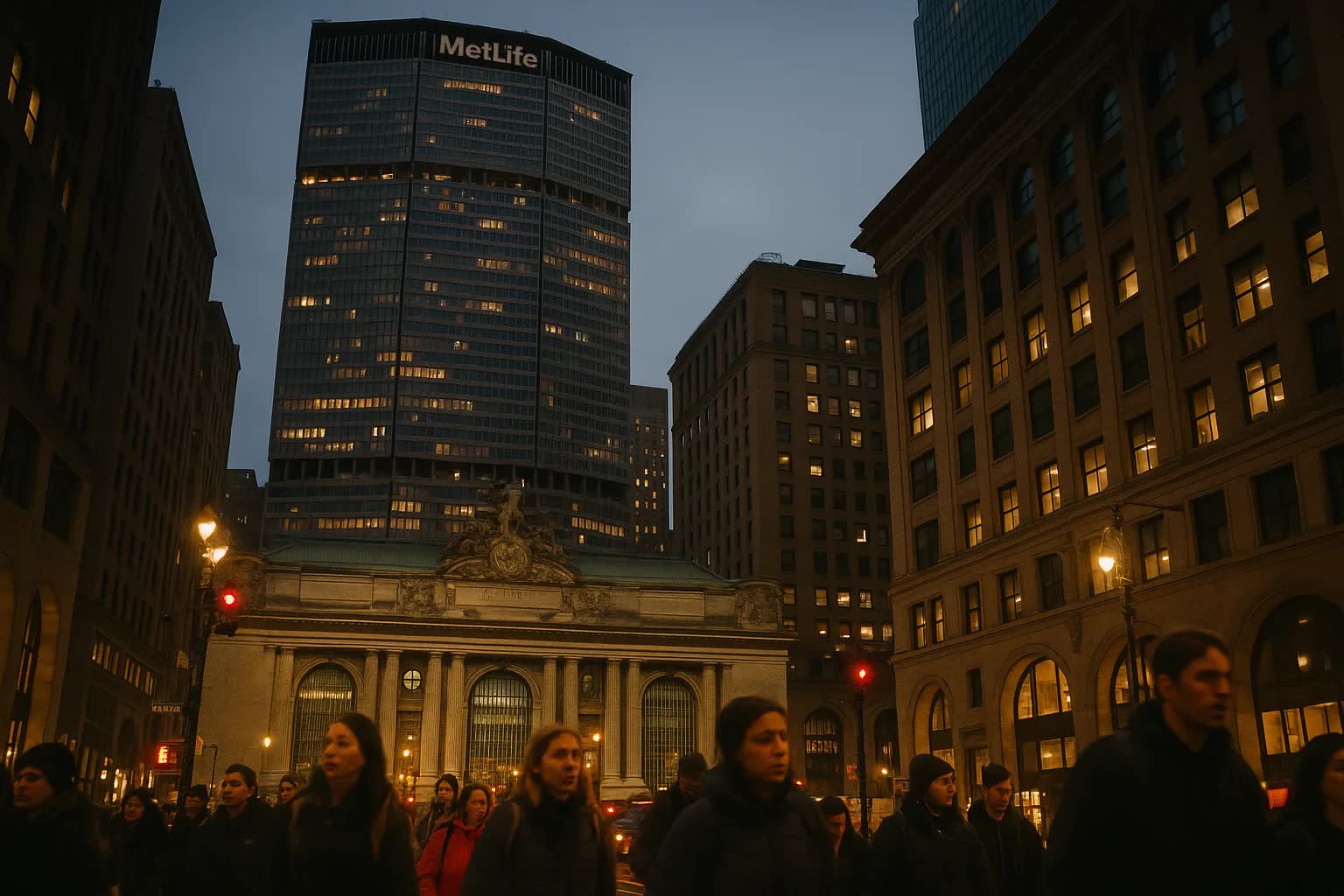
A dispute that will touch the daily commutes of subway riders from Jackson Heights to Bay Ridge erupted Saturday as a state bill proposing to shift key appointment power at the Metropolitan Transportation Authority moved through committee in Albany, setting off a rare public clash between the state and New York City’s mayoral office that could reshape who steers transit decisions for the five boroughs.
The legislation, introduced last month by State Sen. Caroline Bowers and Assemblymember Malik Green, would reconfigure the MTA board by reallocating several mayoral appointment slots to state legislators and regional caucuses. Proponents say the change would make the authority more accountable to riders across the region, while opponents in City Hall warn it would hand Albany partisan control over local transit policy and capital projects that affect neighborhoods from the Upper West Side to Sunset Park.
City Hall allies turned sharp in their criticism. "This is a partisan power grab that undermines local accountability for transit riders in every borough," said Jonah Fields, a mayoral spokesman, pointing to recent street-level problems on the F and 7 lines near Atlantic Avenue and Roosevelt Avenue. Fields said the mayor would fight the bill in Albany and, if necessary, pursue legal remedies to prevent what he called a "blank check" to lawmakers who do not live in the neighborhoods they would oversee.
In Albany, sponsors framed the measure as corrective. "For too long decisions about our region’s transit have been made in silos," Sen. Caroline Bowers said in a statement. "This bill ensures that the people who represent the ridership and the suburbs that rely on mass transit have a meaningful voice on the MTA board." Bowers, whose district includes parts of northern Manhattan and the Bronx, said the change was designed to accelerate stalled projects and limit the influence of backroom patronage.
Inside the MTA, the proposal has left staff unsettled. "Operational continuity is at risk when governance is in flux — contracts, schedules and capital procurement are all reliant on steady oversight," said a senior MTA planner who requested anonymity to speak candidly about internal deliberations. The planner pointed to ongoing work at the Second Avenue Subway extension and signal upgrades on the Lexington Avenue line — projects that could face funding and priority shifts under a reconstituted board.
The bill’s drafters and opponents alike have pointed to detailed figures to make their case. Under current rules the board has 17 seats; the mayor directly appoints nine members and the governor appoints five, with three seats held by transportation advocates and regional representatives. The legislation would reduce mayoral appointees to three and allocate 10 seats to legislators or their nominees, giving Albany-majority lawmakers control of 59 percent of the board. Supporters also note the MTA’s proposed five-year capital plan totals roughly $51 billion, while opponents warn that any governance upheaval could delay projects estimated at $12 billion for the next two years.
Transit advocacy groups, community leaders and local council members lined up mostly against the measure, warning of partisan meddling in procurement and service decisions that directly affect neighborhoods like Chinatown, Crown Heights and Astoria. "When appointments are traded for political favors, the people who suffer are the riders on the 2, 4 and G trains," said Nina Park, director of Riders for Reliable Transit, a Brooklyn-based advocacy organization. Park pointed to recent rush-hour crowding on the A and R lines and said riders need quicker repairs, not governance squabbles.
Political analysts say the fight is as much about control of a vast public workforce and budget as it is about policy. The MTA employs more than 70,000 people and oversees an operating budget the bill’s backers say approaches $22.5 billion annually; critics counter that Albany control could open new channels for patronage and slow procurement as competing legislative factions jockey for influence. "This is a classic turf war," said Dr. Aaron Mendel, a public administration professor at a CUNY campus. "Who appoints the board decides who gets to set priorities on hiring, contracts and capital spending — and that translates into real jobs and contracts across neighborhoods from Flushing to Red Hook."
The next steps are set to keep both chambers in Albany and City Hall busy. The Senate committee that advanced the measure has scheduled a series of public hearings next week in Albany and a satellite hearing in Queens near Queensboro Plaza; the Assembly plans its own markup later this month. Mayor allies say they will mount a high-profile lobbying campaign in neighborhoods and on the record at hearings, while sponsors say they will press for a floor vote before the legislative session’s early spring break. Lawyers for the city have already begun preparing potential legal challenges should the bill become law, signaling a protracted fight that will play out in Albany courthouses as much as at committee tables.