New State Incentive Aims to Turn Empty Offices Into Thousands of Apartments
A tax-abatement program launching this summer offers developers breaks for converting underused Manhattan office towers into mixed-income housing.
By Dana Okafor · August 1, 2026 · 5 min read
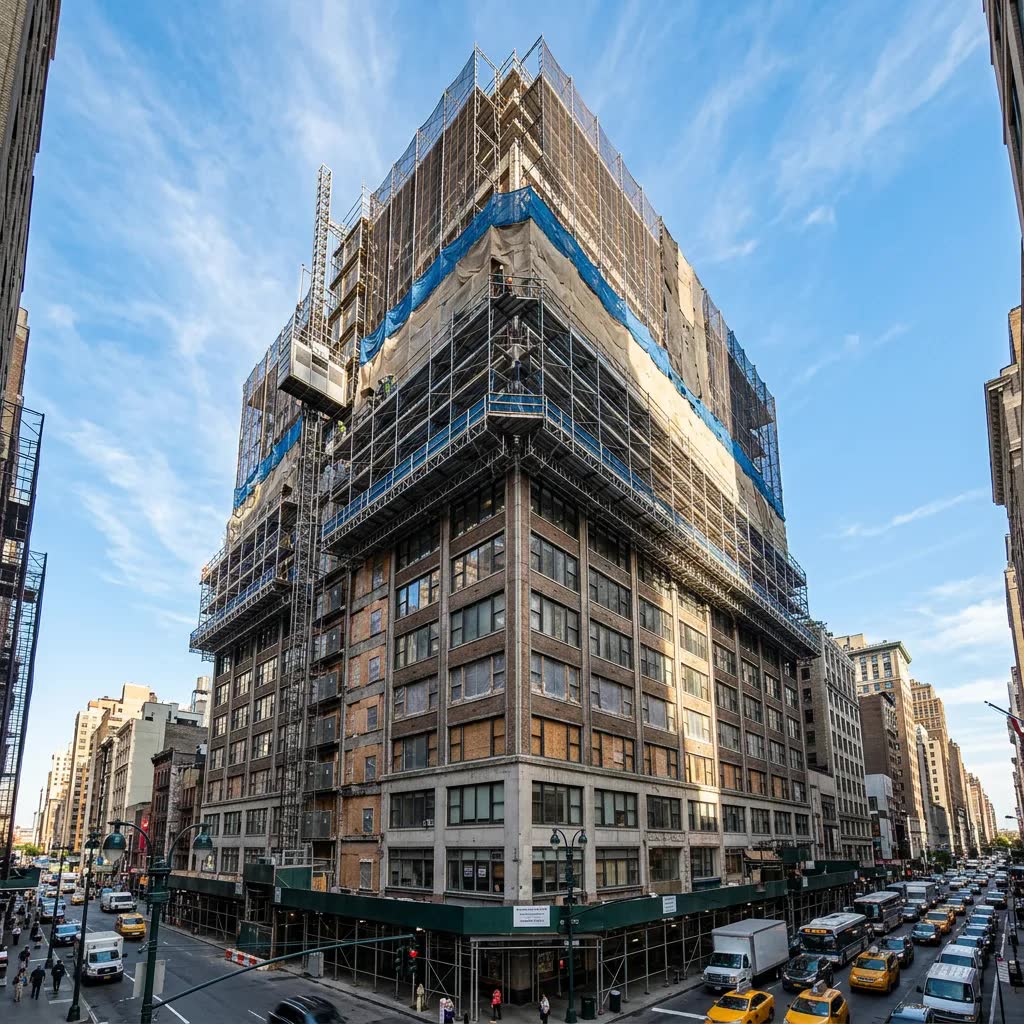
NEW YORK — State and city officials on Saturday formally opened applications for a tax-abatement program designed to accelerate the conversion of aging, half-empty office buildings into apartments, betting that financial incentives can unlock a wave of housing in neighborhoods where commercial demand has never fully recovered. The program offers multiyear property-tax reductions to developers who convert qualifying office towers, with deeper breaks for projects that set aside a share of units as permanently affordable.
Officials framed the initiative as a rare chance to address two problems at once: a stubborn housing shortage and a glut of dated office space that has struggled to attract tenants. "We have millions of square feet sitting dark, and we have families who cannot find a home they can afford," a housing official said at the launch. "This program tries to solve both by turning one into the other." Early estimates from the administration suggested the incentive could support the creation of several thousand units over the next several years.
Developers welcomed the abatement but cautioned that conversions remain technically difficult and expensive, particularly for buildings with deep floor plates and limited window access that complicate residential layouts. Several industry figures said the tax break would tip only certain projects into feasibility and that construction costs, financing conditions, and the affordability requirements would ultimately determine how many buildings actually change hands and change use.
Affordability advocates offered qualified support, praising the set-aside requirement while pressing officials to ensure the "affordable" units are genuinely reachable for moderate- and lower-income households rather than pegged to citywide income figures that skew high. Some urged the state to tie the deepest incentives to the deepest affordability, warning that generous tax breaks for market-rate conversions would amount to a giveaway with little public benefit.
The program arrives amid a broader reckoning over the future of central business districts, where reduced office occupancy has weighed on transit ridership, retail foot traffic, and municipal tax revenue. Planners argued that adding residents to formerly commercial districts could revive struggling storefronts and support a more balanced, round-the-clock neighborhood fabric. Skeptics questioned whether the incentives were large enough to overcome the underlying economics of conversion.
Officials said they expected the first approved conversions to break ground within a year, with completed units coming online gradually thereafter. They pledged to publish data on how many buildings applied, how many units were created, and how deeply affordable those units proved to be. "The test is not the announcement," the housing official said. "The test is keys in doors, and we intend to be judged on that."