State Senators Clash Over Hudson Valley Development Tax Breaks
Upper Hudson Valley lawmakers are split on whether to extend incentives to a proposed logistics hub near Poughkeepsie, setting up a bitter budget fight.
By Diego Alvarez · December 8, 2025 · 5 min read
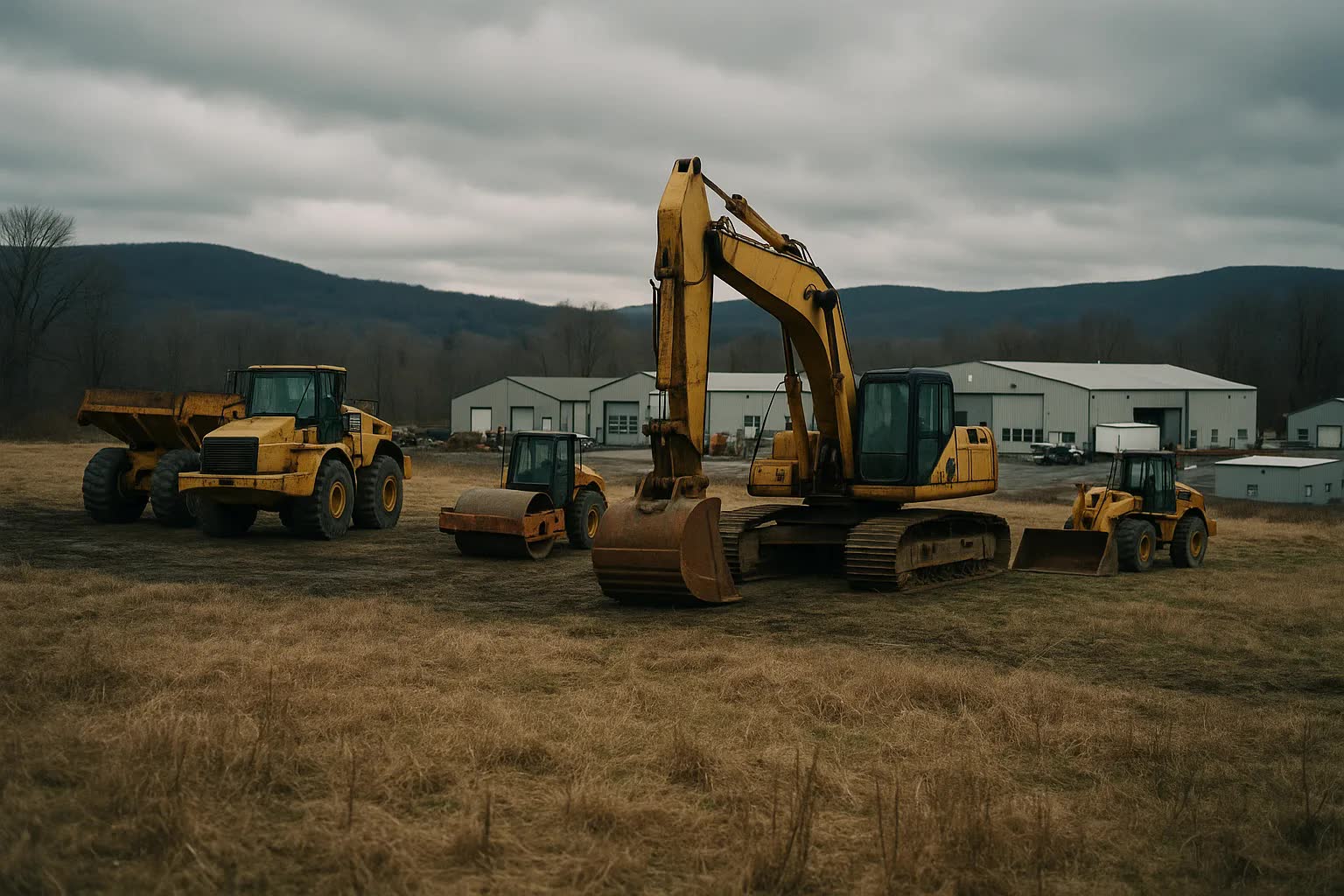
NEW YORK — A simmering fight over state tax incentives for a proposed logistics hub near Poughkeepsie has escalated into a near-front‑burner political crisis that could reverberate across New York City, from delivery patterns in Chelsea to freight congestion along the FDR Drive. As Albany lawmakers craft a two‑year budget this month, Upper Hudson Valley senators are split over whether to extend multimillion‑dollar abatements to Hudson Logistics Partners LLC, and the debate has opened a wider battle over land use, jobs and the future of goods movement that could upend ordinary commutes into Grand Central Terminal and freight routes serving Brooklyn and the Bronx.
The project, a 1.2 million square‑foot distribution center planned on former industrial land just off Route 44/55 in the Town of Lloyd, would include a rail spur to the CSX mainline, 24‑hour truck operations and a 500,000 square‑foot cold storage annex. Developers are seeking a package of incentives: abatements on property taxes through a long‑term Payment in Lieu of Taxes (PILOT) deal, sales‑tax exemptions on construction materials and $15 million in state infrastructure grants to upgrade local roads and add traffic signals. Proponents argue the site will shift freight off aging city terminals and bring living‑wage jobs to a region that has shed manufacturing over decades.
Supporters in the state Senate say the hub represents a pragmatic approach to regional economic development. "This is about bringing durable, middle‑class jobs to the Hudson Valley while easing freight bottlenecks that drive up prices for New Yorkers," said Sen. Marcus Bell, D‑Hudson Falls, a co‑sponsor of the incentive language. "If we can modernize infrastructure and anchor private investment in places like Poughkeepsie, that benefit spills over to Chelsea market vendors and bodegas on the Lower East Side that rely on timely deliveries."
But the measure has prompted sharp pushback from other Upper Hudson Valley lawmakers who say the trade‑offs are unacceptable. "We cannot trade our water and small‑town quality of life for temporary employment numbers that won't stick unless anchored by rigorous conditions," said Sen. Evelyn Marsh, D‑Poughkeepsie, who represents parts of southern Dutchess County. Marsh, a vocal opponent, criticized the PILOT structure and said her district's planning board had not been given sufficient guarantees on environmental mitigation and traffic relief.
The budget handshake will hinge on hard numbers that both sides are touting. Developers estimate the project will cost $320 million to build, create 1,200 direct jobs and produce an additional 2,300 indirect positions over a decade. The state incentive package being negotiated would amount to approximately $85 million in tax relief over 15 years, with a proposed $15 million capital grant from the state's economic development program and a PILOT that would reduce annual property tax payments by an estimated $3.6 million in the first five years. Local officials estimate peak truck traffic could add 450 to 600 heavy vehicle trips per day on Route 9 and Route 44/55, while rail proponents say the spur could absorb roughly 30 freight trains a month at full buildout.
On the ground in Poughkeepsie and neighboring hamlets, reactions are mixed and frequently personal. "We need jobs and this can be a lifeline for adults coming out of retraining programs," said Raquel Torres, executive director of the Hudson Valley Jobs Coalition, who has campaigned door‑to‑door in Hyde Park and Arlington. By contrast, Lena Hoffman, president of the Poughkeepsie Neighborhood Alliance, said residents fear the project's scale and the long‑term erosion of property tax revenue for schools. "A PILOT that wipes out our tax base while letting big out‑of‑state firms pay less is not progress," Hoffman said.
The dispute has inserted itself into the budget arithmetic at a fraught time: Democrats hold a slim majority in the Senate and need several Upper Hudson Valley votes to pass the final spending plan. Senate negotiators from both parties are trading line‑item demands and amendments that would tie incentives to strict labor standards, environmental performance metrics and road upgrades paid for upfront by the developer. Several senators have privately signaled willingness to condition incentives on community benefits agreements, local hiring percentages and a guarantee of union wages for at least five years, a bargaining chip that developers say could raise overall costs.
Environmental regulators and civic groups have also weighed in, citing potential impacts to wetlands, the nearby Hudson River shoreline and local air quality. The Town of Lloyd planning board has requested a supplemental environmental impact statement that would examine runoff into Wappinger Creek and the cumulative effects of additional truck idling on Route 9. "This isn't just about a few extra trucks — it's about long‑term land‑use decisions that affect drinking water and the character of riverfront neighborhoods," said Marina Lopez, a member of the Protect the Hudson coalition who lives on the city's Upper West Side but spends weekends in Rhinebeck.
Labor and logistics interests are adding pressure from another direction. Representatives of a regional trucking association and a newly formed union local have told senators the project will strengthen supply chain resilience for New York City retailers and could shift freight away from congested yards near the Gowanus and the South Bronx. "If designed with labor standards, this hub can be a bridge between Hudson Valley workers and the supply chain needs of Manhattan and Brooklyn," said Daniel Cho, business agent for Teamsters Local 901. A senior MTA planner who requested anonymity warned privately that a surge in truck traffic without coordinated signal timing and freight routings could slow buses on the West Side and reduce reliability on the Port Morris freight corridor in the Bronx.
The coming days will test whether senators can convert the competing claims into enforceable conditions or whether the dispute will be resolved in the shadow of a final budget vote scheduled for mid‑December. Negotiators say they are drafting amendment language that could be voted on when the Senate reconvenes, and County executives on both sides of the Hudson are preparing contingency letters that could sway holdout lawmakers. Regardless of the immediate outcome, the fight has already signaled a larger reckoning over how New York balances economic incentives, environmental stewardship and the needs of urban neighborhoods that depend on stable, equitable delivery networks.