Staten Island Officials Demand State Aid for Ferry Repairs
With several aging vessels sidelined, borough leaders are pressing Albany for emergency funding to keep crucial Staten Island routes running.
By Ezekiel Harris · January 5, 2026 · 4 min read
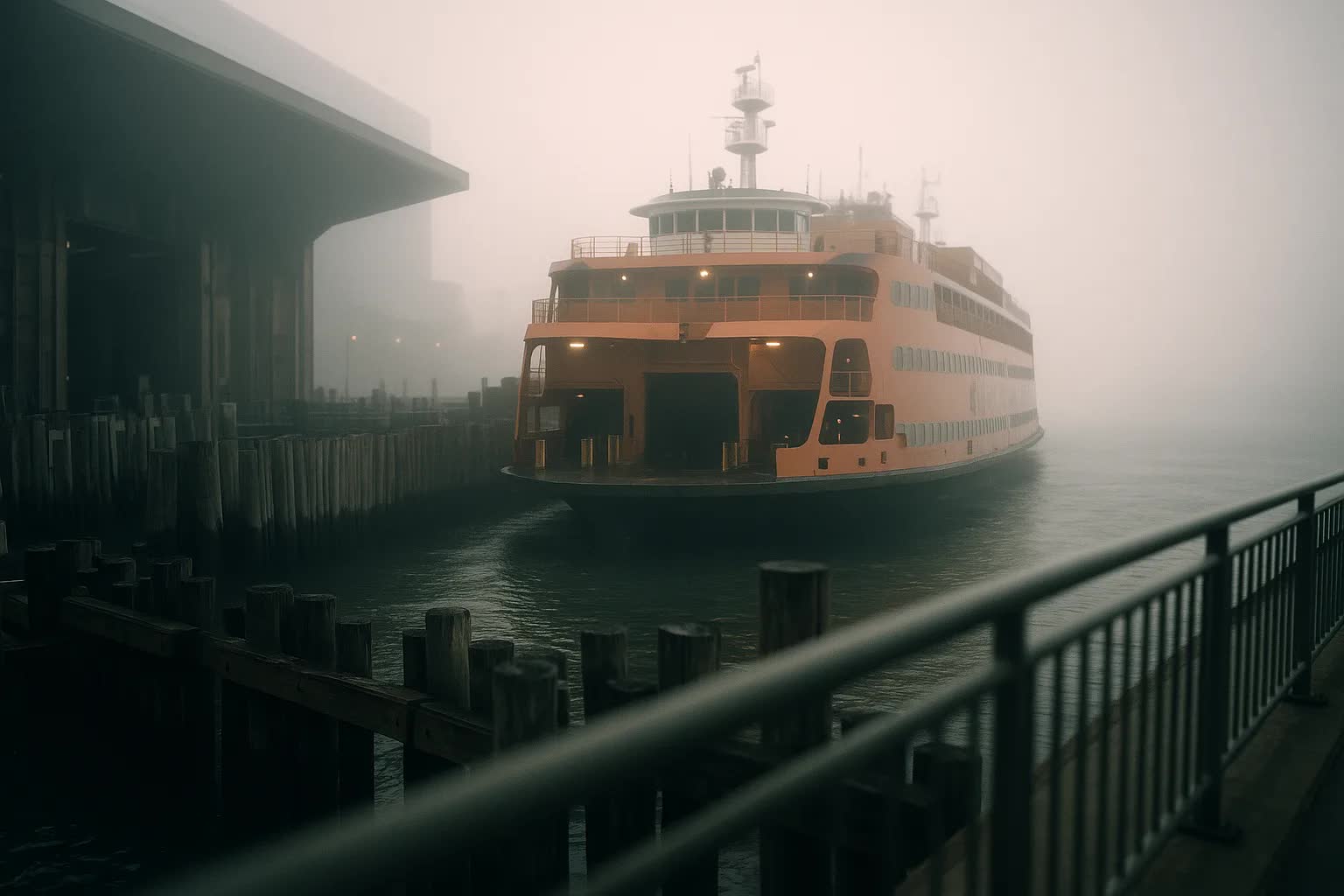
NEW YORK — Staten Island leaders intensified calls Monday for emergency state aid to shore up the borough's beleaguered ferry service, warning that aging vessels pushed into extended repairs are straining commuter routes that knit neighborhoods such as St. George, Stapleton and Tompkinsville to Manhattan's Whitehall Street terminal and the Financial District.
The pressure stems from a wave of mechanical failures and deferred maintenance that has sidelined multiple ferries at the St. George Maintenance Facility, forcing the Staten Island Ferry to run fewer boats during peak periods and extend headways during nights and weekends, officials said. Riders reported longer lines on Richmond Terrace and packed crossovers at the Battery Park area last week as boats were taken out of rotation for hull inspections and propulsion work.
“Our constituents are stuck on both sides of the harbor while Albany argues over a budget line,” said Borough President Rafael Montoya, whose office covers the ferry waterfront and the bustling St. George ferry plaza. “This is not just about transportation budgets; it's about preserving a lifeline that keeps Staten Island connected to jobs, health care and the city economy.”
City and borough officials provided a detailed snapshot of the crisis: of a seven-boat operational roster, three vessels have been sidelined for varying repairs, leaving four in regular service and a single spare for emergency relief; average weekday ridership remains roughly 54,000 people, down from pre-pandemic highs but up sharply from earlier pandemic years; officials estimate an immediate repair bill of about $120 million for hull and propulsion work plus $30 million for interim service measures, and they say a full modernization plan could top $400 million over five years.
“We're seeing accelerated metal fatigue and degraded systems that were pushed by decades of heavy use,” said a senior MTA planner who requested anonymity, citing ongoing engineering evaluations. “The timeline for repairs is realistic only if state funds are made available now to buy parts, keep skilled shipyard crews on site and secure dry-dock windows before spring.”
The request has set up a showdown with Albany, where the state executive and Legislature control capital spending that transit agencies rely on. Borough officials, including Montoya and a delegation of city council members, are scheduled to meet with state budget negotiators next week in Manhattan and then in Albany to press for an emergency appropriation that local leaders say must be included in the governor's midwinter budget revision.
The Metropolitan Transit Authority, which oversees the ferry through its Staten Island Ferry division, issued a statement that it is pursuing a mix of state, city and federal aid while prioritizing safety and service continuity. “We are working with borough leaders and state partners to accelerate inspections and secure parts,” said Elaine Koh, the agency's acting director of capital projects, in a written reply. “Our immediate goal is to restore reserve capacity to the fleet and to present a multi-year capital plan to the state by the spring budget cycle.”
The disruptions have rippled through local neighborhoods. Ferry-dependent small businesses in St. George reported a dip in lunchtime trade near the ferry plaza; commuters in Stapleton said they have been using the Staten Island Railway and private buses, adding 20 to 35 minutes to commutes. At Tompkinsville, residents said the longer headways have clustered crowds around the tiny transit hub by Victory Boulevard and Bay Street, complicating social-distancing routines and straining transit aides who direct morning queues.
Union leaders added urgency to the appeals. “We are on the water every day; our priority is the safety of passengers and crew,” said Thomas Keane, president of Staten Island Ferries Local 48, which represents deckhands and engineering staff. “Crew shortages and failing equipment are a dangerous combination. We need a stable funding stream that addresses both immediate repairs and long-term replacement so veterans and rookies alike can do their jobs without improvising.”
Albany's response will set the tone for how quickly repairs can begin and whether temporary service reductions will persist into the spring commute; budget talks are already slated for March in the state capital, and officials said independent engineering reports should be completed within six weeks. If lawmakers approve the emergency request, the MTA plans a phased repair schedule with additional dry-dock work starting in late spring and a goal of restoring full scheduled capacity by mid-2026, though officials cautioned that supply-chain delays and winter weather could push that timetable further out.