Staten Island Theaters Turn Library Collections into Community Plays
Small companies are adapting local archival materials into neighborhood productions that draw new attention to borough history.
By Caroline O'Neill · March 30, 2026 · 4 min read
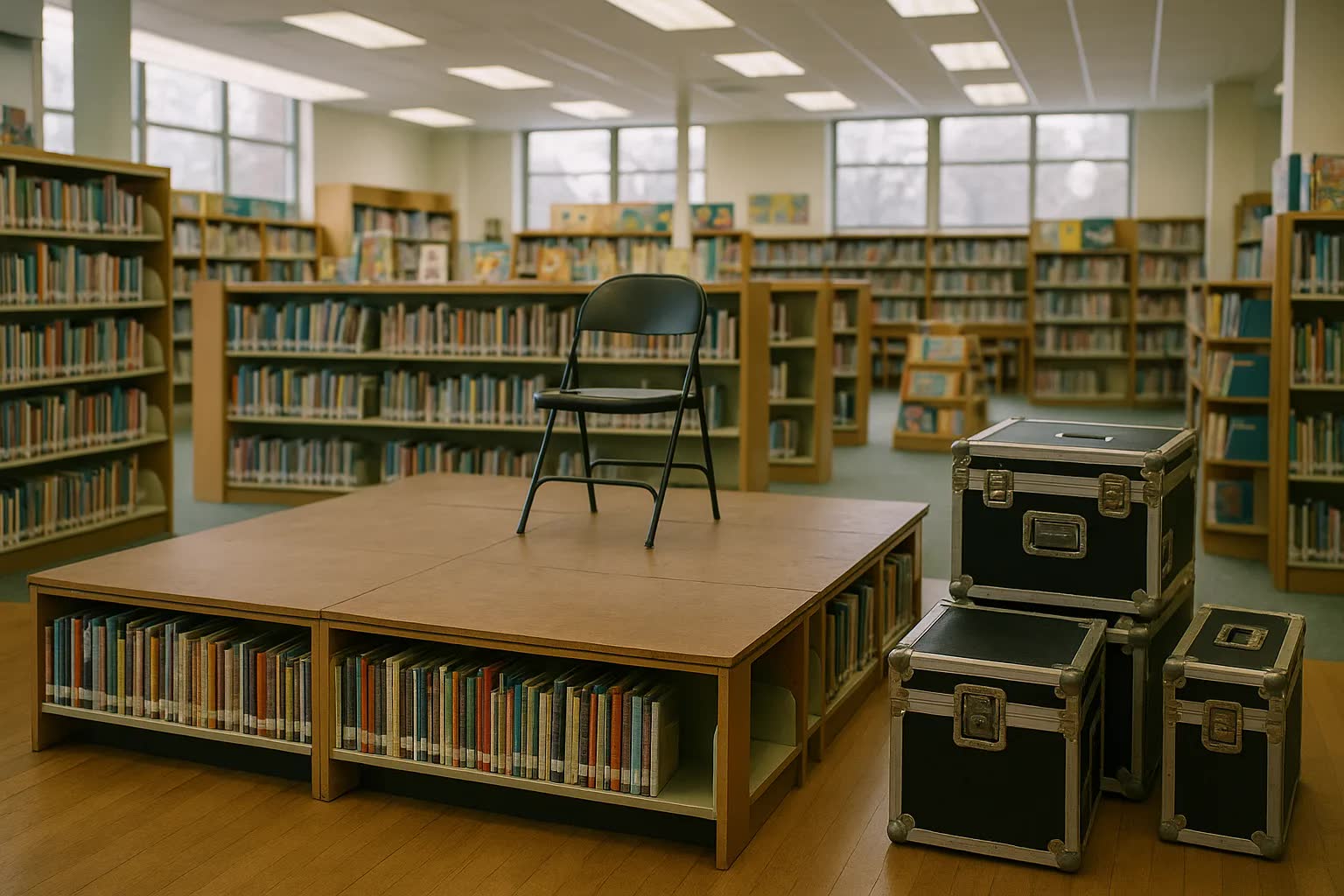
Staten Island theater companies are mining neighborhood archives for dramatic material, turning dusty municipal records and oral-history collections into small-stage plays that are drawing new attention to the borough’s past and its communities from St. George to Port Richmond. On a recent Saturday, audiences packed a storefront theater on Bay Street to watch a play built from 1940s ferry crew logs, while in Stapleton a production of stitched-together letters from factory workers filled a community center on Victory Boulevard; the result is a wave of locally rooted work that is changing the way people see Staten Island history and the city’s periphery arts scene.
The effort is driven by small, storefront and community theaters that lack the resources of Manhattan houses but have deep neighborhood ties and an eagerness to experiment. Companies such as Harborlight Theater in St. George, Ferryhouse Players in Stapleton and the North Shore Collective in Port Richmond have turned to the Richmond County Library, the Staten Island Historical Society and branch libraries on Bay and Forest Avenues for inspiration. Directors and dramaturgs comb property records, school yearbooks and recorded oral histories to craft scripts that center everyday people — ferry workers, seamstresses, teachers — rather than famous figures.
‘‘We started with a box of crew logs from the port commission that listed names and times and routes, and what struck me was the humanity in the margins,’’ said Marisol Vega, artistic director of Harborlight Theater. ‘‘The ferry was the borough’s main artery; people’s lives revolved around it. When you put those small details on stage, the neighborhood recognizes itself, and that recognition becomes a kind of collective memory work.’’ Harborlight’s most recent production, staged a block from the St. George Ferry Terminal, interwove logs with interviews recorded in the 1980s by the Richmond County Library’s oral-history program.
Archivists have been active collaborators, not simply suppliers. ‘‘We did not expect to see the deed books and school registers dramatized, but once playwrights started drafting, they returned to us for clarification, photographs, even contact information for descendants,’’ said Daniel Kwon, head archivist at the Richmond County Library. ‘‘The process benefits both institutions: the plays bring our collections to life, and the partnership broadens the audience for archival materials that otherwise might sit on a shelf.’’ Kwon has organized monthly readings at the Stapleton branch where playwrights workshop scenes with community members.
The scale of the movement is measurable. Since 2023, at least seven Staten Island companies have mounted 22 separate productions based primarily on archival materials; those shows drew a combined audience of roughly 8,400 in the last 18 months, a 34 percent increase in seasonal attendance compared with the borough’s community theater average from 2019 to 2021. Individual production budgets ranged from $9,000 to $38,000, with an average of $21,400 per show, supplemented by neighborhood fundraisers and three city cultural grants totaling $115,000 distributed among four companies. The Richmond County Library reports digitizing 4,200 photographs and 1,150 oral-history minutes since 2022 to support the projects.
The productions are modest in scale but specific in flavor, anchored to blocks and buildings Staten Islanders know. In Port Richmond, the North Shore Collective staged a play written from a cache of 1960s storefront business ledgers, and staged scenes beneath the shadow of the Bayonne Bridge. In West Brighton, a youth cast performed scenes drawn from high school yearbooks and newspaper clippings in a recreation center on Forest Avenue, prompting several audience members to point to faces on stage and say, ‘‘That was my aunt.’’ Those moments, directors say, catalyze neighborhood conversation and new interest in local archives.
The practical work happens when archivists, directors and community members sit in a room together. Libraries have opened their back rooms and microfilm stacks for playwrights and students. The Staten Island Historical Society has offered small stipends and space in its Stapleton reading room for workshops. ‘‘It’s civic engagement as much as it is art,’’ said Lucia Martino, executive director of the Staten Island Historical Society. ‘‘We see teenagers transcribing letters, retirees offering recollections and playwrights shaping narratives — everyone brings expertise. The plays function as public history sessions done as theater.’’
Still, challenges remain. Companies operate with shoestring budgets and limited rehearsal space, and many productions rely on unpaid or low-paid labor. Licensing and union rules complicate plans when a show aims to extend beyond the borough. Several directors also say the archives themselves are uneven: some collections are well-cataloged and digitized, others remain in boxes with faded labels, and archivists say more funding is needed to preserve materials that could inspire future work. ‘‘We’re doing a lot with very little,’’ said Gabriel Ortiz, producing director at Ferryhouse Players. ‘‘But the payoff is clear: audiences come back, and they bring stories. Now we need to make this model sustainable.’’
Audience response has been gratifying, and sometimes surprising. Reviews in local blogs and modest regional papers praise the intimacy and civic focus of the shows, while community leaders have begun to see cultural value in preserving neighborhood stories. Schools have booked matinees; senior centers schedule post-show talkbacks; and local businesses on Bay Street and along Forest Avenue report increased foot traffic on performance nights. For many attendees the plays have an archival effect: older residents say they feel seen, and younger audience members report discovering a history of Staten Island that was never discussed at home or school.
Looking ahead, companies plan to deepen the library partnerships and expand the program into neighborhoods that have been underrepresented in past seasons, with proposed projects that would adapt materials from Midland Beach and South Beach collections and arrange touring performances at Snug Harbor Cultural Center and neighborhood libraries. Theater directors and archivists are jointly drafting a grant proposal to secure multi-year funding that would support digitization, paying playwrights and touring costs, and ensure that the borough’s archival stories keep traveling from stacks to stages across Staten Island.