Suffolk Vineyards Host Avant-Garde Music Series
Winemakers from the North Fork are programming experimental concerts to diversify audiences and boost off-season visitation.
By Aaron Feldman · February 22, 2026 · 4 min read
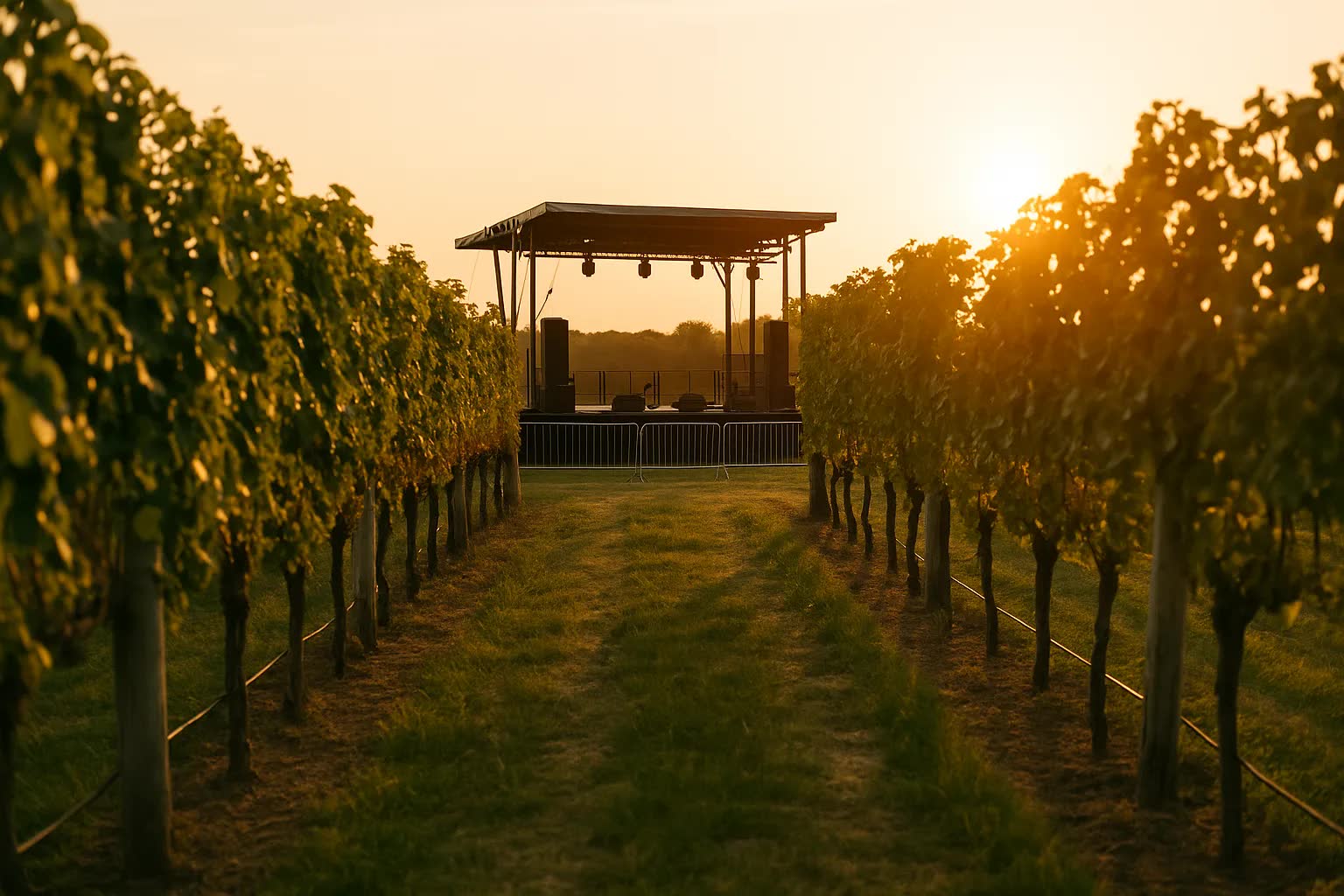
NEW YORK — For New Yorkers tired of the same loft shows in Williamsburg or midweek concerts at small clubs in the East Village, a new kind of weekend pilgrimage is taking shape on Long Island’s North Fork: winemakers are programming avant-garde music series in tasting rooms, barns and cellar halls to lure a younger, more experimental crowd out of the city and into the vineyards during the slow months.
The initiative, quietly launched last fall by a loose consortium of North Fork producers, pairs eight wineries from Mattituck to Greenport with sound artists, composers and installation designers for monthly performances through May. Venues range from a refurbished potato barn at Maris Vineyards to the subterranean tasting vault at Peconic Ridge, and organizers say the aim is to expand the typical wine-tourism audience without replacing the region’s tasting-room traditions.
“We wanted to disrupt the idea that a vineyard is only for sipping and sunsets,” said Eli Navarro, artistic director at Maris Vineyard, who designed the program after working in experimental theater in SoHo. "If you’re coming from the Lower East Side or the Upper East Side with a 7 p.m. LIRR train, we want the first thing you think about is a sound piece in a barrel room, not just a glass of chardonnay."
The music ranges from electroacoustic sets that blend amplified vineyard sounds with field recordings to contemporary chamber works played beneath rows of barrel stacks. Several shows integrate visual elements: projection mapping onto fermentation tanks, dancers moving between vines, and site-specific compositions that use the natural echo of a tasting room. Organizers have recruited artists from Bushwick, Bed-Stuy and Astoria, hoping to build a circuit that feels as familiar to Brooklyn improvisers as the downtown clubs they usually play.
Concrete figures underline the ambition: eight wineries staged 24 concerts from November through January; total attendance was about 18,400, with an average of 767 people per weekend across the program. Average ticket prices ranged from $28 for late-night sets to $62 for dinner-and-concert packages. Series organizers report a 32 percent increase in off-season weekend visitation compared with the same period the prior year and say roughly 58 percent of ticket buyers gave a New York City ZIP code when registering.
Pulling off performances in nontraditional venues has not been plain sailing. Sound engineers contend with humidity and uneven floors, while town permit offices in Southold and Riverhead have had to field noise and traffic complaints on a night-by-night basis. "Logistics are the bulk of the work," said Amara Singh, events manager at Peconic Ridge. "We’ve upgraded electrical systems, added sound dampening in a few places and coordinated late-night shuttles to keep neighbors happy. It’s a lot easier to sell a ticket than to make sure the town board signs off."
Artists and audiences alike describe a collision of two cultures: older wine club members who come for the producers’ reputations and a vanguard crowd from Brooklyn and Queens seeking immersive sound experiences. "I live in Bushwick and had never been to Greenport before," said Jonah Alvarez, a noise musician who performed at a recent show in a renovated carriage house. "There’s something electric about playing where the acoustics are unpredictable. The audience is way more open to weird stuff than I expected — plenty of folks are there because they want a new sort of night out."
Local businesses have noticed the effect beyond the tasting rooms. Bed-and-breakfast owners on Main Street in Greenport report fuller winter bookings, and restaurants in Cutchogue and Jamesport say midweek reservations have ticked up. Organizers estimate that the series generated roughly $1.2 million in incremental local spending over three months, factoring in tickets, lodging, food and retail purchases, and they point to a small fleet of weekend shuttle vans and a temporary increase in LIRR reservations as signs of a new travel pattern.
Critical response has been mixed but curious: regional arts writers applaud the ambition while some wine purists grumble that the concerts dilute the terroir. The broader cultural conversation, however, is about hybridity — whether rural spaces can incubate experimental art in ways urban venues no longer can. Several visual artists have collaborated with musicians on pieces that linger in tasting rooms after concerts end, turning some wineries into temporary galleries and prompting comparisons to site-based programs at institutions outside the city.
Organizers say they are already planning next steps: a longer spring run, partnerships with a handful of Manhattan presenters for crossover shows, and a pilot residency program that would bring a musician to a single vineyard for an entire week to compose on site. "If the winter taught us anything, it’s that people will travel for nights that feel like an event," Navarro said. "The next challenge is to make these nights sustainable for wineries, artists and neighbors, and to build a calendar that connects Long Island and New York City in both directions."