Sunnyside Yards Delays Push Logistics Startups to Riverfront Sites
Construction setbacks at the rail yards are forcing last-mile delivery firms to relocate to more expensive waterfront properties in Queens and Brooklyn.
By Isabella Morales · February 19, 2026 · 4 min read
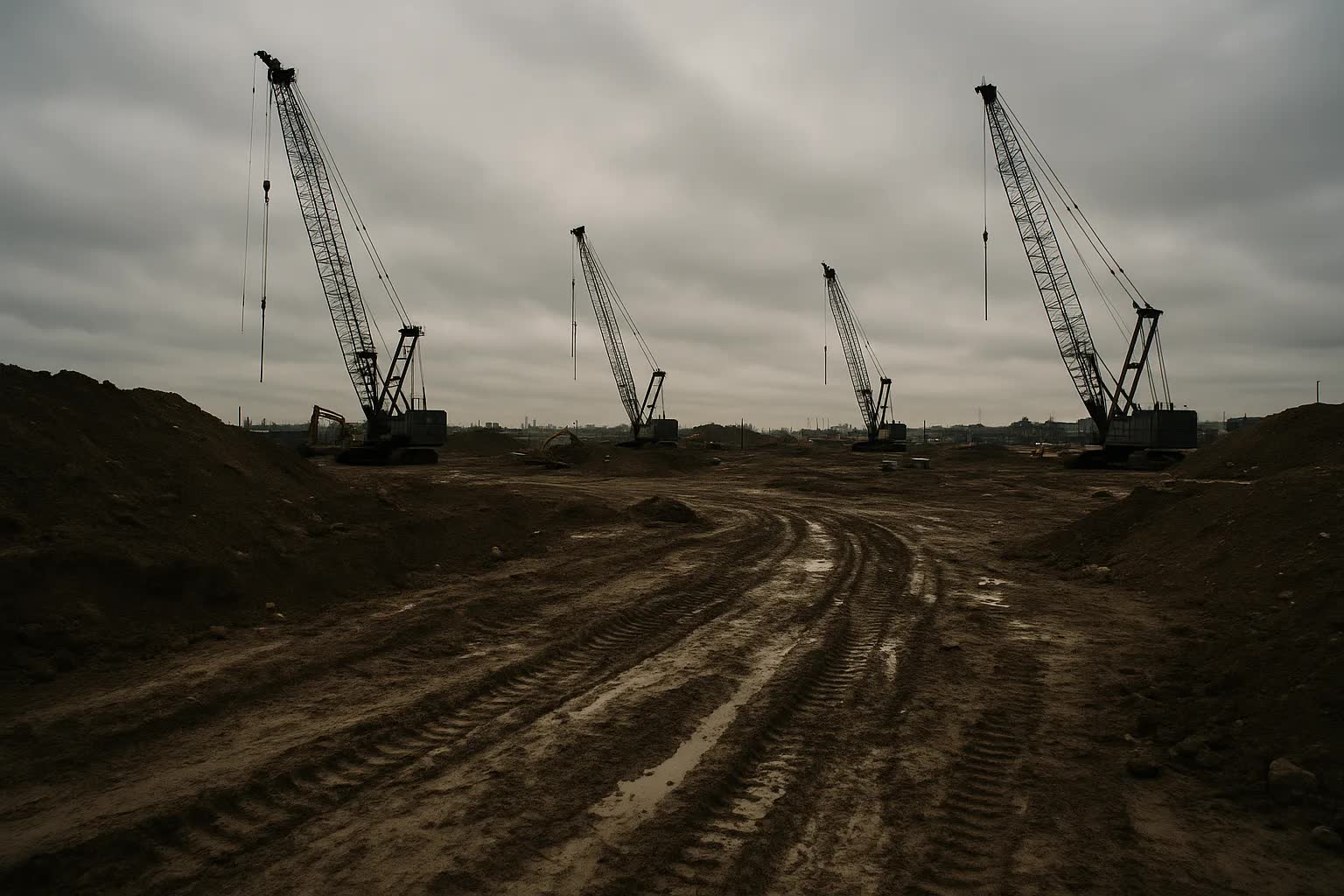
NEW YORK — Construction setbacks at the long-planned Sunnyside Yards redevelopment are forcing a wave of last-mile delivery startups that had earmarked western Queens for low-cost distribution hubs to relocate instead to pricier waterfront properties along the East River and Newtown Creek, a shift that is already reshaping truck routes and real estate dynamics from Long Island City to Red Hook.
The Sunnyside Yards project, a decades-old plan to deck over active rail yards and build mixed-use development, had promised to include large tracts of flexible industrial space that many small logistics firms had counted on for affordable last-mile operations. Those space plans were central to Mayor-appointed resilience and transit strategies that aimed to reduce trucks crossing residential blocks; now founders say the delays have doubled rents in parts of Queens and pushed operations into Brooklyn neighborhoods with better river access.
Aisha Rahman, operations director at Shoreline Logistics, said her startup shelved a planned move into a Sunnyside Yards sublease this month after being told the space would not be available for another two years. "We built our five-year growth plan around moving to Sunnyside — getting 40,000 square feet near the rail yard would have cut our deadhead miles in half," Rahman said. "Now we are negotiating a smaller space in Hunters Point that costs 30 percent more and forces us to add two trucks to our fleet."
Municipal and commercial data shared with NYDailyWatch by industry consultants and brokers show concrete effects: roughly 120 last-mile firms active in western Queens and northern Brooklyn are seeking new leases; the average asking rent for waterfront warehouse space in Hunters Point and Greenpoint has risen from about $28 per square foot in mid-2024 to $38 per square foot in January 2026; Sunnyside Yards delays have stretched an additional 18 to 30 months beyond original public timetables; and the loss of planned industrial inventory at Sunnyside is estimated to total about 600,000 square feet through 2027, according to a local real estate brokerage analysis.
Small carriers and app-based delivery startups said they are being outbid by better-capitalized firms for the limited waterfront spots that can handle large vehicle access and water-adjacent loading docks. "We lost three bids for northern Brooklyn sites in as many weeks," said Evan Kline, founder of East River Last Mile. "The market is punishing nimble operators who don't already own property — and that's a bad permutation for neighborhood delivery resilience."
Industry insiders trace the holdup to a mix of supply-chain constraints for foundational materials, extended environmental reviews tied to the rail corridor, utility relocations that are running behind schedule and contractual disputes between the Metropolitan Transportation Authority and its construction partners. A senior MTA planner who requested anonymity confirmed to NYDailyWatch that utility and signaling work has taken longer than projected and that the authority has moved to renegotiate several subcontractor timelines, which has had a cascading effect on leased commercial slabs intended for small businesses.
The migration toward riverfront properties is already altering traffic patterns and community conversations. In Hunters Point, near Gantry Plaza State Park, residents reported an uptick in medium-duty trucks turning onto Vernon Boulevard and 50th Avenue to reach new loading facilities; in Greenpoint, veteran industrial operators in the McGuinness Boulevard corridor said they are fielding callers from startups priced out of Sunnyside. In Red Hook, where waterfront sites at the edge of the Buttermilk Channel have deep docks suitable for transloading, local truck congestion has prompted a neighborhood association to push the city for time-of-day delivery restrictions.
Real estate financiers say the shift is also attracting a different class of investor. "We're seeing coastal industrial assets trade at cap rates 150 to 200 basis points lower than comparable inland properties because of the immediate demand," said Marta Liu, senior analyst at HarborView Real Estate. "That compresses returns for institutional buyers and raises rents for tenants on the ground — a structural change tied directly to the uncertainty at Sunnyside." Venture-backed logistics firms facing higher occupancy costs told NYDailyWatch they are recalibrating pricing and fleet strategies; some are absorbing short-term losses, while others are pivoting to denser micro-hubs using cargo bikes and smaller electric vans to limit reliance on scarce dock space.
Community groups in western Queens who had supported Sunnyside's redevelopment as a source of new local jobs said they are concerned both about the lost opportunity and the externalities of the riverfront shift. "Sunnyside Yards could have been a place for living-wage industrial jobs close to transit," said Maya Delgado, executive director of Sunnyside Action Alliance. "Now workers may face longer commutes to waterfront warehouses, while our streets still shoulder the delivery traffic without the promised investment in local employment." City economic development officials acknowledged the strain in meetings with neighborhood leaders in January and said they are exploring temporary subsidy programs and expedited permitting for inland industrial uses, though no formal incentive had been announced as of mid-February.
Looking ahead, logistics executives and local officials said multiple outcomes remain possible: a phased opening of Sunnyside Yards commercial slabs if labor and utility work finish sooner than expected, a longer-term redistribution of industrial uses toward waterfront parcels, or an expanded role for micro-hubs and off-peak deliveries that can bypass the need for large contiguous space. "We are preparing contingency plans that include short-term leases in Hunters Point and warehouse aggregation services along Newtown Creek," Rahman said. "If Sunnyside delivers even a portion of its promised space by 2028, it would relieve pressure — but we can't count on that anymore without hard dates."