The Bronx Jazz Revival: Small Clubs Balance Tradition and New Audiences
A mix of veteran musicians and young promoters in the South Bronx are programming late-night shows and educational outreach to revive the borough's jazz scene.
By Mei Lin · January 18, 2026 · 4 min read
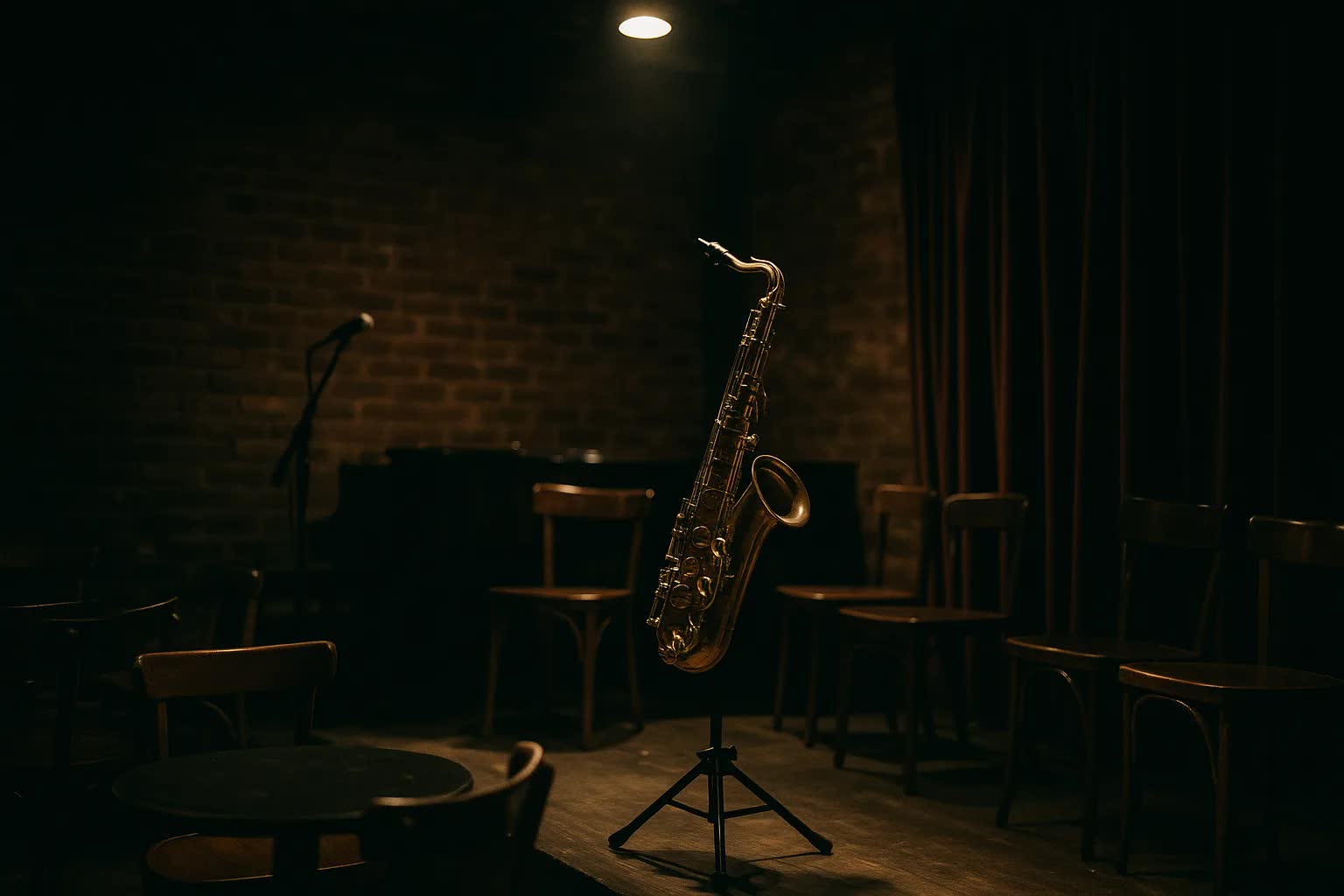
NEW YORK — Along the Grand Concourse and down into the South Bronx, late-night light spills from narrow doorways into winter air as a mix of veteran musicians and a new wave of promoters work to revive a jazz scene that once pulsed through the borough’s block parties and union halls; their approach blends tradition with outreach, programming after-hours sets at intimate clubs while sending young players into schools from Morrisania to Fordham to incubate the next generation of listeners and performers.
Veteran saxophonist Ramon Delgado, who has been playing the Concourse Room on 149th Street for three decades, says the local sound has always been resilient but needs a push beyond nostalgia. “People think jazz belongs in museums or on the Upper West Side, but our history is under the elevated tracks,” said Delgado, artistic director of the Concourse Room Collective. “We are bringing those roots back and making it live for teenagers who hear it for the first time at a school assembly or a late show at 1 a.m.”
Across the Harlem River, young promoter Amina Shah has organized a weekly late-night series at The Redline in Port Morris aimed at pairing elder players with experimental acts and attracting a younger, diverse audience who come for the vibe as much as the music. Shah, 29, said the nights are deliberately affordable — $10 to $15 cover — and timed to start late so transit workers, artists finishing gallery shifts, and students on the 4 and D lines can make it. “We program like a jukebox of the borough’s lives,” Shah said. “There’s alto, there’s spoken word, there’s beat-driven improvisation — it’s for Bronx people.”
The clubs themselves are small, often family-run or nonprofit ventures that depend on a patchwork of weekend bar sales, modest ticket receipts and municipal grants. At Sundown Jazz Club in Hunts Point, owner and manager Lucia Ortiz converted what had been a corner bodega into a 70-seat room with a standing riser for youth ensembles; she books classic jazz on Thursday, experimental sets on Friday and free workshops on Saturday. “We’re trying to be a community hub,” Ortiz said. “If a taxi driver, a teenager, a teacher and a retired postal worker can all find something here, that’s our win.”
The scale of the effort is measurable: as of December 2025 there are 14 small venues in the Bronx programming regular jazz nights, up from nine in 2022; average nightly attendance at these clubs is 45 patrons with peak sets drawing 110; 12 public schools from the South Bronx to Bedford Park participated in outreach programs in 2025 that reached 1,250 students; and local nonprofits and small business sponsors contributed about $350,000 in direct support to performance and education initiatives last year, according to figures compiled by the Bronx Jazz Initiative, a nonprofit run by retired music educator Asha Patel.
Patel, who runs the initiative’s after-school bands and teacher-training workshops, emphasizes that the revival is as much pedagogical as it is musical. “We teach improvisation as a language, not a commodity,” said Patel, who trained in composition at a conservatory and returned to the Bronx to build programming out of a storefront on Third Avenue. “When a kid learns call-and-response or how to comp behind a soloist, that skill translates to more than music — it’s collaboration, confidence, creativity.”
Musicians who spent decades on the road are responding to the new infrastructure. Drummer and educator Malik Green relocated from Brooklyn to Mott Haven two years ago to lead a residency at PS 100 and to perform twice monthly at La Scala, a rehearsal-and-performance loft near Bruckner Boulevard. Green says the energy is reciprocal: “The kids show me what they’re listening to on their phones and I bring them standards,” he said. “We end up forming this mutual respect that’s shaping a sound that’s honestly Bronx — rough, warm, relentless.”
The economics remain delicate. Small clubs report that weekday programming often loses money when competing with the cost of living and rising rents in neighborhoods like Mott Haven and Longwood; many rely on volunteer labor, donated equipment, and shared billing with DJs to stay afloat. Yet the late-night schedule — sometimes running until 2 a.m. on weekends — has created new revenue windows by tapping patrons who work nontraditional hours. City cultural grants have helped, but organizers say long-term sustainability will require more predictable operating support and better promotion through borough-wide networks.
Neighborhood advocates are also looking at transit and safety improvements to support the scene. A senior neighborhood planner, Jerome Akande, working with a coalition of community boards told NYDailyWatch that better lighting along key corridors such as 3rd Avenue and safer late-night MTA service connections at hubs like 149th Street–Grand Concourse and Hunts Point Avenue could increase attendance. “We’re mapping walk-shed barriers and working with the MTA to boost rider confidence after midnight,” Akande said. “This isn’t just about concerts — it’s about making the South Bronx a place where culture and commerce coexist at night.”
For now, the revival is a patchwork of audacious programming, cross-generational mentorship and neighborhood pride, and its leaders say the next steps will involve scaling what works without diluting what makes Bronx jazz distinct. Organizers plan a borough-wide jazz festival for fall 2026, expanded school residencies and a shared booking platform to pool audiences across clubs. If the past year is any indication, the sound of those late-night rooms will continue to spill out into the streets, carrying with it the promise that the Bronx’s jazz future will be both rooted and renewed.