The East Village's Experimental Theater Scene Is Turning the Page
Small companies are reinventing site-specific performance, using storefronts and community spaces to reach new audiences.
By Zoe Kaplan · April 18, 2026 · 4 min read
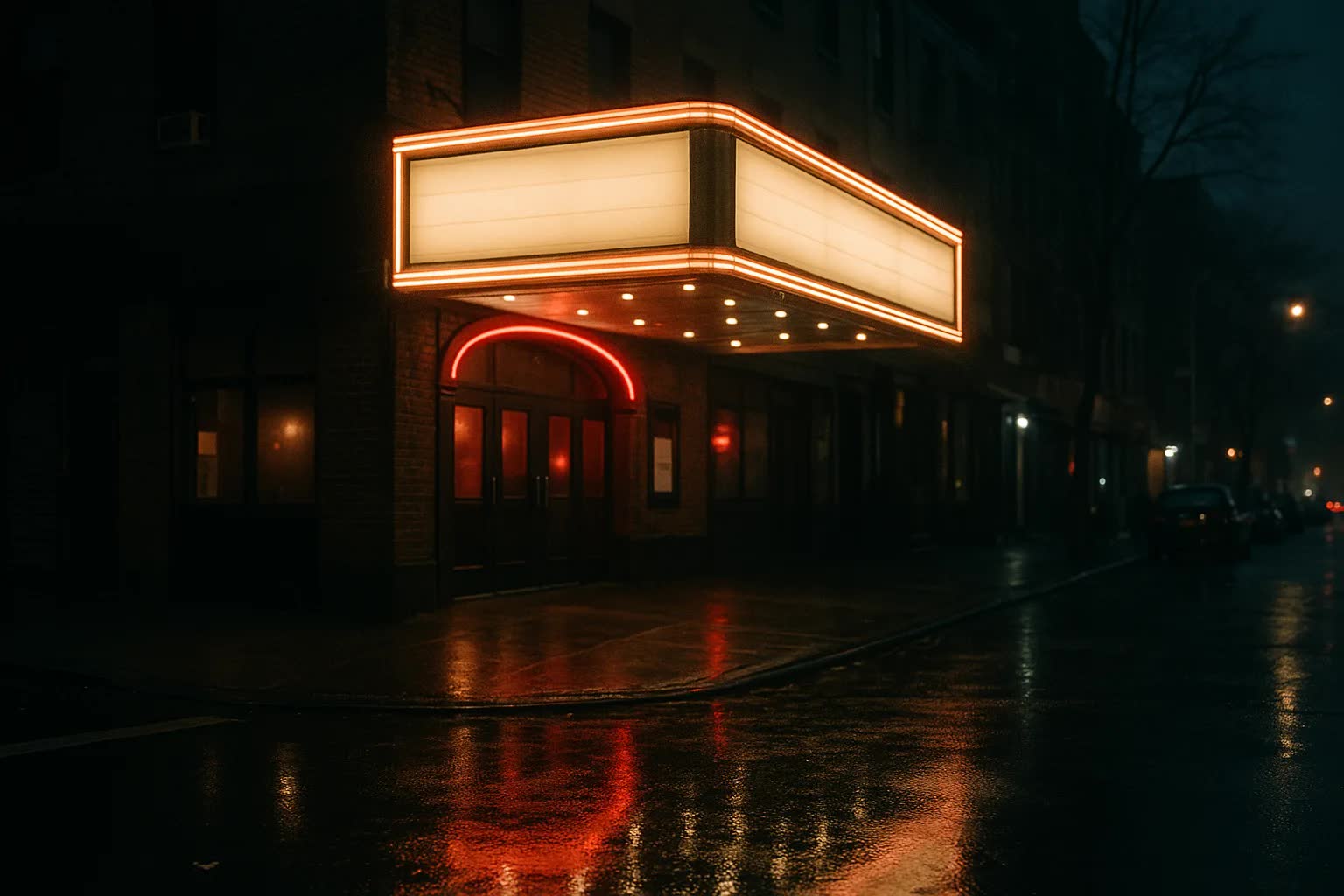
On a damp Thursday evening beneath the flicker of a neon deli sign on St. Mark's Place, a dozen people squeezed into what had been the neighborhood's last dry cleaner to watch an experimental piece that wove together the histories of the Bowery, the East Village and an adjacent community garden, a performance emblematic of a new chapter in the area's theater life where storefronts, parks and laundromats are becoming stages and audiences are the neighbors who live with the work.
For decades the East Village has been synonymous with artistic risk taking and Off-Off-Broadway experimentation, from split-level cabarets on Bleecker to guerrilla happenings in Tompkins Square Park, but rising rents and the closure of small venues had turned many artists out of fixed spaces and into itinerant modes of performance. Now, small companies and collectives are reinventing site-specific theater not simply as novelty but as a sustainable model that engages place, reduces overhead and rebuilds an audience base beyond theatergoers who happen to want a ticketed night out.
Patchwork Theater Collective, founded in 2022 by a trio of directors, last month stitched together a four-week run staged across a vacant storefront at 120 St. Mark's Place, the stairwell of a bodega on Avenue A and the rear lot of a community house on East 3rd Street. "We wanted the neighborhood to be the lead actor," said Maya Ruiz, artistic director of Patchwork Theater Collective. "When people recognize corners and sidewalks they live on, the work lodges differently in their bodies. It stops being a performance about place and becomes a performance with the place."
Across town, Storefront Stage, a nonprofit that negotiates short-term leases with property owners from the Bowery to Alphabet City, stages five to eight productions each season. "We find spaces that landlords don't know what to do with and offer a way to animate them while respecting the neighborhood," said Eli Navarro, co-founder of Storefront Stage. Navarro describes a recent collaboration in which a performance used the storefront window of a florist on Second Avenue as a proscenium, bringing passerby traffic into audience numbers and turning the sidewalk into an informal lobby.
Concrete evidence of the trend is measurable: an informal survey conducted by the East Village Arts Alliance tallied 46 distinct site-specific productions staged in the neighborhood in 2025, up from 18 in 2023; 12 storefronts were converted to temporary performance sites in the same two-year span; the average budget for a micro-company was reported at $27,500, with average ticket prices of $22 and per-performance audiences ranging from 40 to 120 people. The Alliance also tracked a 21 percent rise in weekday evening attendance at community-based performances, suggesting audiences are shifting from weekend theatergoing to more localized cultural habits.
The economic logic is clear for small companies: saving on long-term rent allows more spending on creative personnel and community programming, while property owners benefit from supplemental income and increased foot traffic. In the East Village, coffee shops near performance routes report noticeable upticks in business on nights when shows run; one proprietor on Avenue B, who requested that the name of his café not be used because of an ongoing lease negotiation, said sales rose as much as 18 percent on performance nights. Those modest boosts matter for an ecosystem of small businesses that operate on thin margins.
Still, the model is not without friction. Companies must navigate a tangle of permits, fire and safety inspections, insurance requirements and community board approvals, and some longterm residents associate late-night outdoor performances with noise complaints or blocked sidewalks. "We are having to learn the ropes of municipal bureaucracy while holding onto our artistic intent," said Ava Kaplan, chair of Community Board 3's arts committee. "There have been growing pains, but we've seen productive conversations between organizers and neighbors when both sides show up with concrete proposals and mitigation plans."
Equity and access are ongoing concerns. Creators say the intimacy and itinerant nature of site work can exclude people with mobility challenges if careful planning doesn't take place, and small budgets make hiring professional tech crews and union actors difficult. To address that, several companies have formed a loose cooperative to share set pieces, lighting rigs and a transportation van. The cooperative also launched a sliding scale ticketing system and a pay-what-you-can parade of preview events aimed at making performances more affordable while preserving fees for artists.
The critical response has been broadly favorable. "There's a rawness to the work that feels aligned with the East Village's history but filtered through contemporary concerns about community and survival," said Leonard Fields, theater critic for the Village Ledger, after attending a recent three-site piece that began outside the old Maggio Bakery site on East 7th Street and finished in a backyard near Tompkins Square Park. Academics and cultural planners have also started mapping these transient venues, noting that the practice could serve as a template for other neighborhoods facing theater closures caused by commercial displacement.
Looking ahead, companies in the East Village are planning a monthlong festival in September that will map a continuous route of site-specific performances from Stuyvesant to the Bowery, and a consortium of funders is testing a pilot grant that would underwrite safety upgrades in 10 temporary venues. Whether those initiatives materially change the economics of small theater or simply offer a seasonal burst of programming, artists here say they are turning the page on an era of retreat. "This is about resilience and reimagining what a theater can be in the city," Ruiz said. "If we can keep building infrastructure that meets artists' needs and the neighborhood's, the next chapter looks promising."