The Revival of Indie Record Stores in the Five Boroughs
Vinyl sales, in-store DJ nights and neighborhood loyalty are fueling a modest comeback for small music retailers across the city.
By Nia Washington · April 4, 2026 · 4 min read
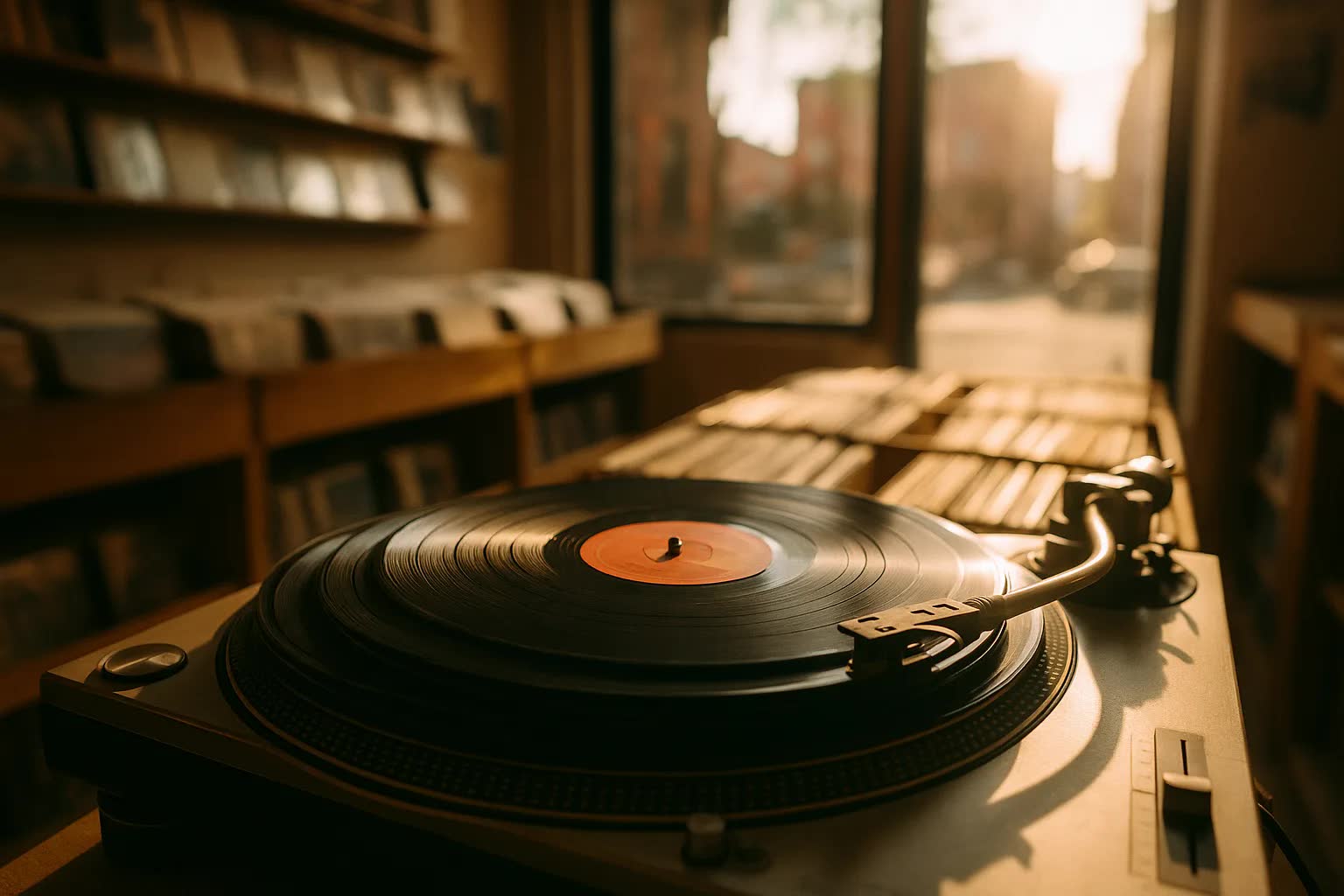
Record players spin into the night in storefronts from the Lower East Side to Jackson Heights as a modest but notable revival of independent record shops takes hold across the five boroughs, fueled by renewed vinyl sales, in-store DJ nights and a strong strain of neighborhood loyalty that many shop owners say streaming cannot replicate.
After a steep decline in the early 2000s and harsh losses during the COVID-19 pandemic, the city’s small music retailers are staging a comeback that feels distinctly New York — a blend of commerce and community that plays out on busy thoroughfares like Bedford Avenue in Williamsburg, Steinway Street in Astoria and Atlantic Avenue in Brooklyn’s Fort Greene.
On a recent Tuesday evening at Needle & Groove, a narrow, muraled shop on Bedford near Bushwick’s Maria Hernandez Park, the record bins were full, a DJ was cuing up an early-1980s disco reissue and a small crowd milled around a folding table stacked with local zines. “People don’t just come to buy a record anymore,” said Amira Carter, owner of Needle & Groove. “They come to be part of something — a neighborhood night out that’s affordable and intimate.”
Across town on 86th Street in Bay Ridge, Atlantic Spins has converted its back room into a low-lit listening bar where local selectors rotate every Wednesday. The shop’s manager, Diego Alvarez, said the events feed each other: “Our DJ nights bring new faces who then buy reissues and local pressings. It’s how we keep the lights on when rents spike,” he said, noting that themed nights — from Latin club classics to queer disco — draw cross-generational crowds.
The numbers suggest the revival is more than anecdote: a five-borough survey conducted by the independent retailer trade group Vinyl NYC found the number of brick-and-mortar indie record stores rose from an estimated 42 in 2018 to 61 in 2025, with combined annual vinyl sales in the city totaling roughly $18 million in 2025, up 23 percent from 2019. Average weekly foot traffic at these shops was reported at about 420 customers, while 60 percent of stores said in-store events accounted for 15 to 30 percent of their monthly revenue.
That mix of commerce and culture is prompting creative business pivots. In Gowanus, Sunset Pressing — a micro-pressing service and retail window — sells limited-run local releases and offers same-day lacquer cutting for bands. In Fordham, Bronx Wax hosts open-mic nights and DJ workshops aimed at teens. Owners and managers say diversified offerings — pressing services, subscription vinyl clubs, coffee bars and merchandise — help offset margin pressure from higher rents and uneven online sales.
Still, barriers remain. Pressing plants across the Northeast have multimonth backlogs, shipping costs fluctuate and neighborhoods that once supported low-rent storefronts are now seeing steep lease hikes, especially in Long Island City and parts of northern Brooklyn. “We’re buoyed by culture but still vulnerable to market forces,” said Marisol Vega, policy director at the Neighborhood Retail Alliance, a nonprofit that advises small businesses. “Citywide support for legacy retail and flexible zoning can help, but it’s an uphill battle in many corridors.”
Record stores also act as curators and incubators, not merely sellers. Staff pick lists and carefully stocked used sections introduce customers to sounds they might not find on algorithmic playlists, and shop walls often double as tiny concert venues for local bands. Record Store Day, once a single annual rush, has diffused into monthly release parties and in-store performances that help sustain traffic year-round, particularly in neighborhoods like Harlem’s 125th Street and the Lower East Side’s Ludlow Street.
Diversity in inventory has become a selling point. In Jackson Heights, The Turntable Collective stocks a broad array of South Asian and Latin pressings alongside indie rock reissues, drawing immigrant and second-generation customers who say the collections reflect their musical memories. In Flushing, a small stall in the Shoppes at SkyView Center specializes in K-pop imports and rarities, while Staten Island shops have carved niches in local hip-hop pressings and classic soul reissues, demonstrating how local tastes shape each shop’s identity.
Owners and advocates say the future will depend on keeping those local ties strong while adapting to economic realities: more collaborative pop-ups, shared storefronts, and municipal programs that subsidize storefront improvements or offer tax relief for neighborhood cultural businesses. As Needle & Groove prepares a neighborhood anniversary festival in June and Atlantic Spins plans to open a satellite listening room in Park Slope next year, Carter offered a cautious optimism that captures the mood on the street: “We’re not looking for a gold rush — we want sustainable places to play music together. If we keep meeting our neighbors where they are, these stores have a good shot at sticking around.”