The Revival of Puerto Rican Cabarets in Spanish Harlem
New and renewed venues are bringing late-night música and spoken-word back to historic spots along Malcolm X Boulevard.
By Hannah Stein · April 10, 2026 · 4 min read
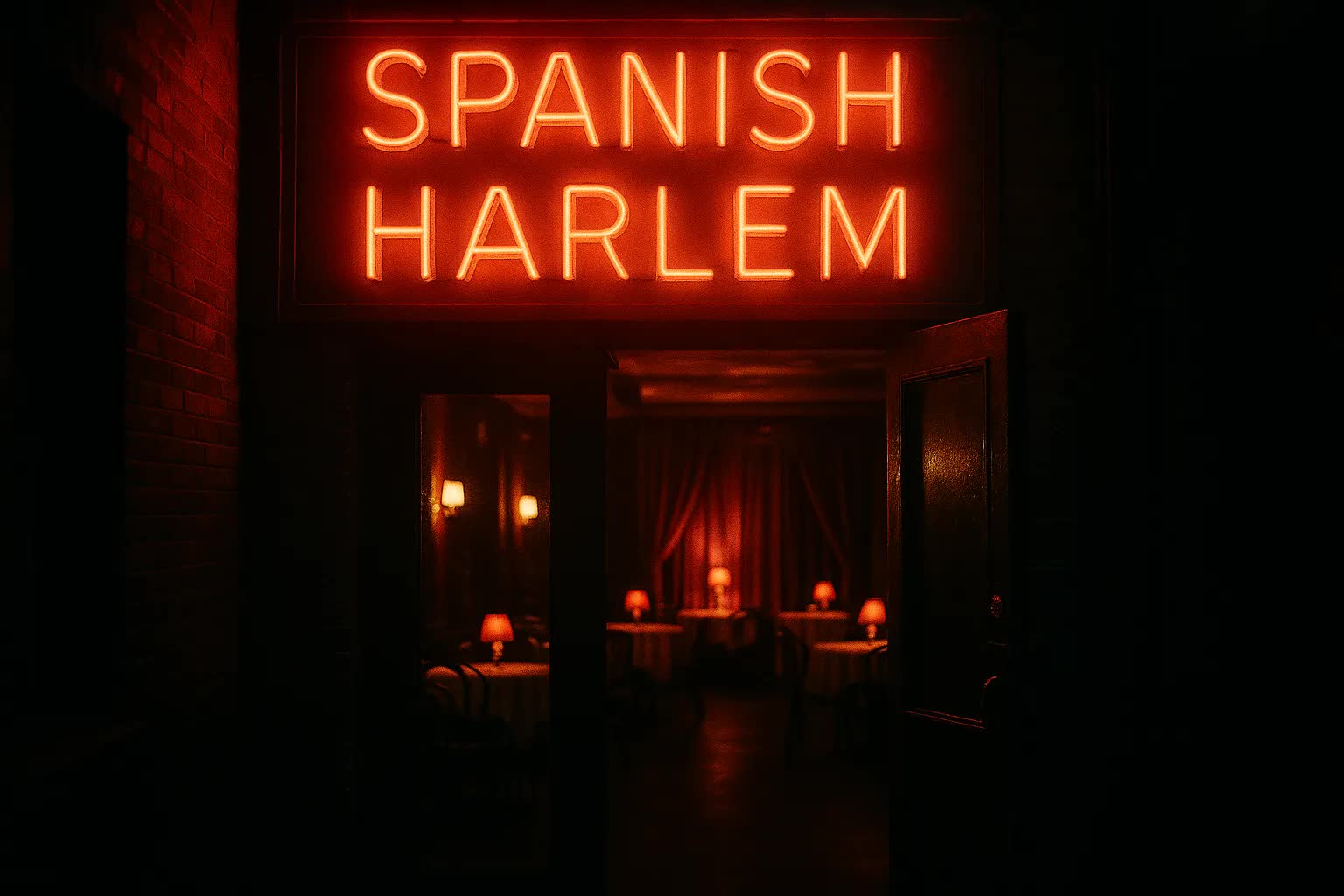
NEW YORK — On an unusually warm April night, the rumble of bass and the hushed snap of poetry pages spill out from doorways along Malcolm X Boulevard as Spanish Harlem — long known as El Barrio — stages a revival of Puerto Rican cabaret culture that blends late-night música, spoken-word and community memory in ways not seen here for decades.
The current wave recalls a mid-20th-century circuit when cabarets and dance halls ran from 96th Street to 125th, hosting boleros, plena and early salsa sets that helped define a New York Puerto Rican identity. For older residents those rooms were where lovers met and political ideas were argued over rum and coffee; for younger artists they are a template — and a reclamation project — of social space that had dwindled under decades of disinvestment and changing nightlife patterns.
A clutch of new and renewed venues is now anchoring the revival. Casa de Farándula, a 120-seat club that reopened last fall on 116th Street after a five-year vacancy, programs bilingual spoken-word nights on Tuesdays and salsa cabaret on Saturdays. Teatro Orígenes, a stripped-down performance loft on 125th, hosts residencies and late-night jam sessions, while the El Malecón Lounge, a downstairs bar with a raised stage, holds traditional plena sessions that can run into the early morning. "Our goal is to be a home for artists and the neighborhood at the same time," said Rosa Delgado, artistic director of Casa de Farándula. "We program with elders and kids in equal measure so the music keeps breathing through generations."
Local residents and business owners in East Harlem and Central Harlem are noticing the change on the ground. A bodega owner on the corner of Malcolm X Boulevard and 116th Street said foot traffic after midnight is up on weekends and that cabaret crowds often spill into nearby cafes and pupuserías. Near El Museo del Barrio, promoter flyers advertising after-hours décimas and novenas are tacked to lampposts; on 125th, a suntanned poster announces a monthlong anniversary series curated by a collective of poets and musicians who grew up in the neighborhood.
Since the revival began in earnest in 2023, seven venues along Malcolm X Boulevard and adjacent blocks in Spanish Harlem have opened or reopened; combined programming has expanded from 12 nights a week to about 48, with average weekly attendance rising from roughly 1,200 patrons to an estimated 3,900. Small grants and private donations have funneled about $425,000 into the scene, and city small-business loans accounted for roughly $210,000 of capital. Typical ticket prices average $12–$18, venue capacities run between 80 and 180 seats, and the new cabarets together host some 30 artists-in-residence annually.
The cultural and economic ripple effects are mixed: restaurants and bakeries extend hours to serve late-night crowds, while property owners eye the renewed vibrancy as an argument for higher rents. "We want economic opportunity, but not displacement," said Miguel Santos, founder of the community group El Barrio Nights. "These rooms belong to the people who built them. We're pushing for community-benefit agreements so cultural uses stay viable and residents don't get priced out." His group has been negotiating with three landlords and the local community board to secure long-term leases for two of the smaller venues.
Programming inside the rooms often reflects that balancing act. On a recent weeknight a set began with an elder drummer teaching bomba rhythms to teenagers, followed by a young poet reading in Spanish and English about a housing struggle, and then a singer delivering a bolero with such quiet intensity the room went still. Several venues have formal partnerships with neighborhood schools and the newly formed El Barrio Cultural Trust, offering afternoon workshops in songwriting and oral history that feed directly into evening performances and archival projects.
Those archival impulses inform a broader preservation push. Elders who remember the cabarets' heyday — many of them now in their 70s and 80s — have been recruited as mentors and curators; an oral-history program documented 60 interviews last year and plans to digitize recordings for public access. Nonprofit arts organizations are advising venue owners on ways to keep programming authentically Puerto Rican while meeting city regulations on sound, occupancy and public safety. Still, negotiations over noise complaints and liquor licenses have been tense in a couple of cases, forcing promoters to retool show schedules and invest in soundproofing.
Challenges remain: operating margins for small venues are thin, licensing and permits can take months, and late-night transit cuts complicate attendance. Managers say reliable late-night subway and bus service is essential for artists and audiences traveling from Brooklyn, the Bronx and Queens. "We lose half our crowd when the trains stop early," said Alejandra Rivas, manager of Teatro Orígenes. "Consistent service and more flexible permit windows would make a real difference."
Looking ahead, organizers hope to codify protections that keep cabarets rooted in the neighborhood. Plans are being drawn for a block-long festival in August called Noche de Farándula with three days of free performances, a registry of local cabaret spaces and a proposed preservation fund to subsidize rent for cultural tenants. For many in Spanish Harlem, the revival is less about staging nostalgia than forging a living cultural economy: late-night música and spoken-word that matter to everyday lives — and that, for now, are once again echoing down Malcolm X Boulevard.