The Rise of Family-Friendly Off‑Off‑Broadway: Programming for Young Audiences in the East Village
Small companies are experimenting with shorter run times and interactive formats to capture families seeking local theater alternatives.
By Mateo Ruiz · January 20, 2026 · 4 min read
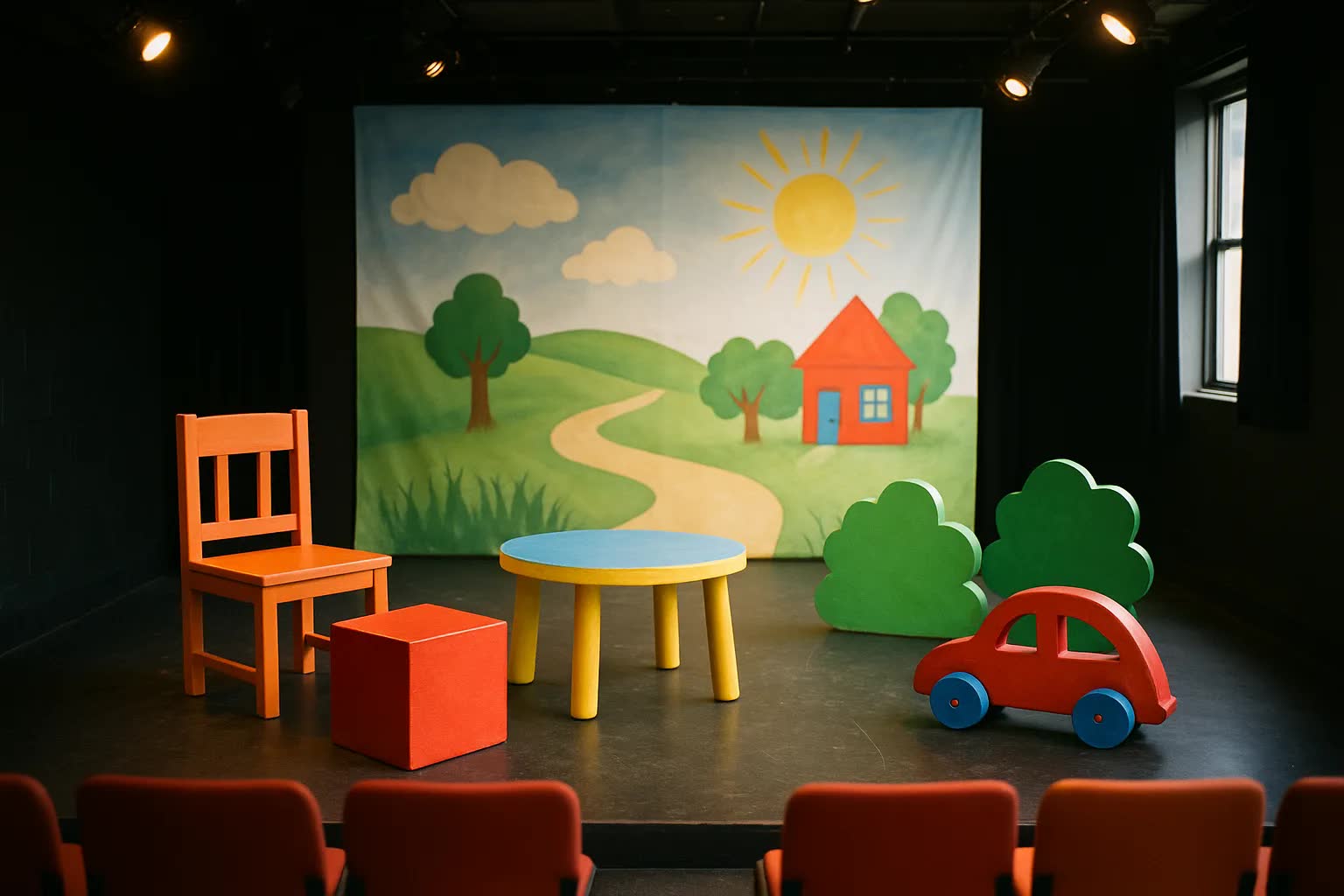
On a bracing Saturday morning in the East Village, parents and children shuffled into a converted storefront on East Seventh Street where a 45-minute musical about a stubborn umbrella was already half sold out, part of a growing wave of family-friendly off‑off‑Broadway programming that is reshaping how New Yorkers with young kids think about theater close to home.
The shift is local and specific: companies that once opened only in midtown or the more tourist-heavy parts of Manhattan are settling into pocket-sized stages between Tompkins Square Park and St. Mark’s Place, offering shorter runs, lower prices and interactive formats aimed at families who want cultural outings that fit nap schedules and neighborhood commutes.
Producers and artistic directors say the model answers a practical demand as much as an artistic one. "Families in the East Village want theater that arrives where they live and parks, not a three-hour, formal night out," said Lena Morales, artistic director of Little Lantern Theater on Avenue C. "We cut shows to 40 to 50 minutes, eliminated preshow announcements, and reworked seating so a stroller can sit in the back. The kids—and their adults—stay engaged."
At the Patchwork Playhouse on the corner of A and 10th, actors invite children onstage to rearrange papier-mâché scenery; at the storefront Staggery on East Third Street, an afternoon puppet show includes a 20-minute workshop afterward teaching simple rod manipulation. "The interactivity is not a gimmick," said Dr. Aaron Chen, elementary school arts coordinator for District 1. "It’s pedagogy: short, tactile experiences build attention and creative confidence in ways a lecture-style performance rarely does."
The economics are pragmatic. Ticket prices for these productions typically range from $10 to $25, compared with $30 to $100 for many Off-Broadway houses; runs last four to six weeks with multiple morning and midday matinees designed for caregivers. Smaller casts of three to five performers, minimal sets and multipurpose rehearsal spaces allow companies to keep overhead low while staying in rent-sensitive neighborhoods. Donations, classroom partnerships and sliding-scale family pricing round out the revenue mix.
Numbers underscore the trajectory. In 2023 there were roughly four East Village-based companies regularly programming for children and families; by the end of 2025 that number had grown to 13, with an aggregate weekly attendance across those companies averaging about 1,200 patrons on weekends and 650 during weekday matinees. Average run lengths fell from 12 performances per title to 8, while average ticket prices dropped 22 percent in that same two-year span. Grants from two Manhattan foundations and local neighborhood arts funds covered about 30 percent of production budgets for most small companies last year.
Neighborhood culture and urban logistics have shaped programming choices. Producers cited proximity to playgrounds, preexisting relationships with neighborhood libraries on Avenue B and community centers near the Bowery, and the reality that many families travel by foot or subway lines with strollers, not by car. "We schedule a 10:30 a.m. show because families can make it after drop-off and before lunch; we stage it on the block where grandparents pick up kids," said Sofia Ruiz, parent and co-founder of East Village Families Collective. "That makes a big difference in turnout."
Artists say the new work is often bolder for being smaller. Playwrights are experimenting with sensory-friendly performances for children on the autism spectrum, bilingual shows in Spanish and English to reflect neighborhood demographics, and theater-in-the-round that transforms a theater into a playroom. Directors like Lena Morales report that shortened run times force sharper pacing and clearer visual storytelling. Critics and educators, however, caution against assuming shorter always means shallower; several programs pair performances with curriculum guides and school visits to deepen the experience.
Challenges remain. Real estate pressures in Manhattan mean many companies operate on month-to-month leases in spaces without traditional theatrical rigging. Insurance, union minimums and the need to make sets mobile add to costs. Public funding has been unpredictable: while local grants helped many make up the gap after the pandemic, some companies report thin operating reserves and a reliance on volunteers. "We’re learning to be nimble but we’re also terrified of an unexpected rent hike," said Miguel Alvarez, managing director of the Neighborhood Stage Company, which moved from the Lower East Side to a smaller space near Ave. A last fall. "This model works, but it’s fragile."
Looking ahead, producers, teachers and parents say the movement has momentum and room to grow: festivals devoted to family off‑off‑Broadway are planned for the spring at venues around the East Village, several companies are exploring partnerships with public schools and libraries in Alphabet City, and a coalition of neighborhood theaters is negotiating shared rehearsal space to cut costs. If the recent surge is any indication, New York’s smallest stages may become its most reliable incubator for the next generation of theatergoers.