Transit-Oriented Zoning Incentives in the Hudson Valley Pit Growth Advocates Against Preservationists
County planners say denser development near rail stops would spur economic growth; preservation groups warn of sprawl and lost rural character.
By Anika Bose · February 22, 2026 · 4 min read
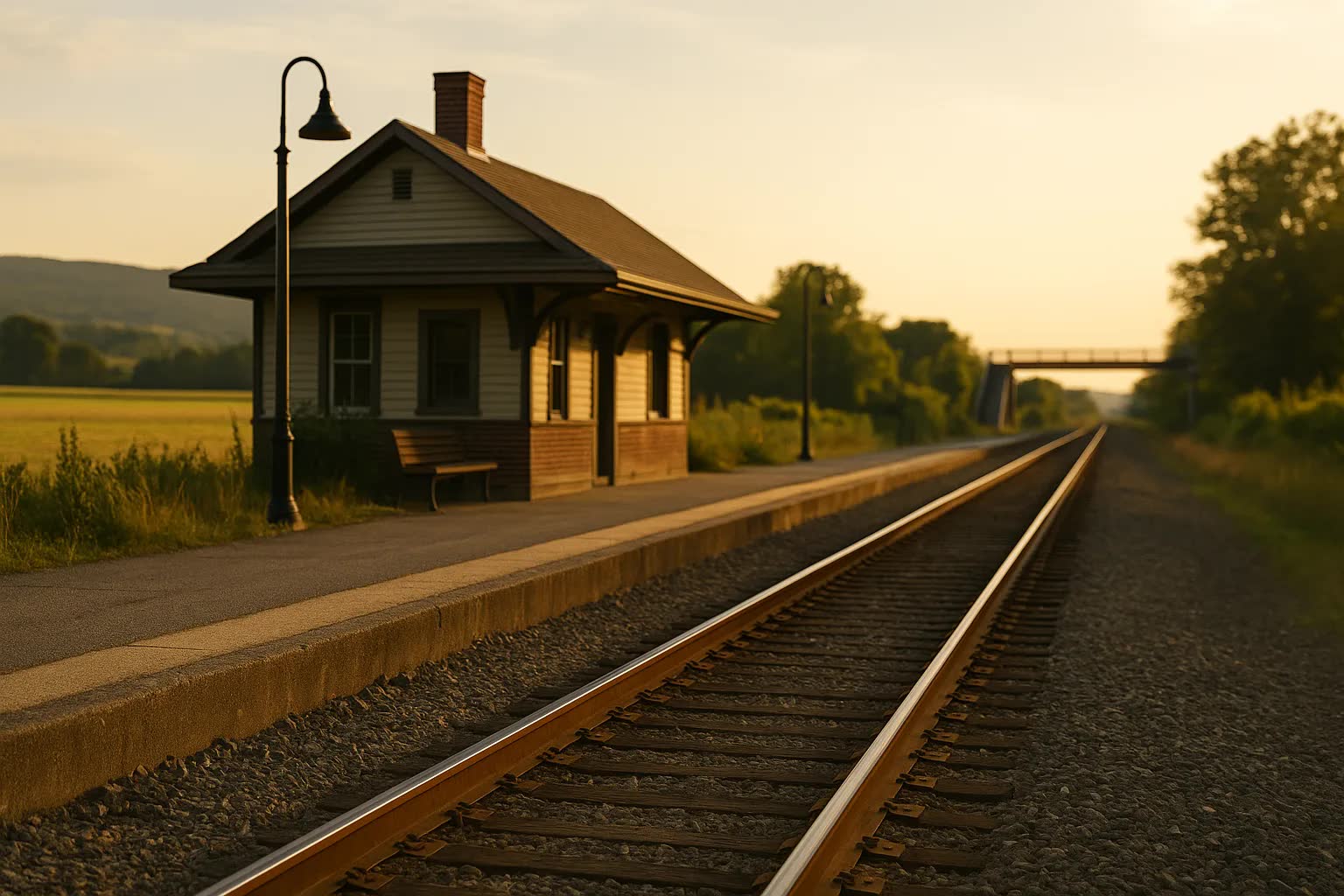
On a winter morning in Grand Central, commuters from the Upper West Side and Harlem spill off the 7 train, clutching coffee and printouts and scanning departure boards for the Hudson Line — a daily ritual that county planners now say could become the engine of a broader economic rebirth upstate. A proposal circulating among Dutchess, Putnam and northern Westchester officials would reshape zoning within a half-mile of Metro-North stations to encourage dense, mixed-use development aimed at capturing the wave of New Yorkers seeking more space and easier commutes. Advocates tout new jobs and downtown vitality; preservation groups warn of suburban sprawl and the erosion of the rural character that defines much of the Hudson Valley.
At the center of the debate are so-called transit-oriented zoning incentives: density bonuses, reduced parking requirements and expedited permitting for projects that locate housing, retail and offices near rail stops from Beacon to Tarrytown. County planning directors argue that targeted growth around stations can lift sagging Main Streets, reduce car dependence and feed riders into a strained commuter rail network. The planning proposal has moved from academic white papers into draft ordinances that will be considered by county boards over the next three months.
"We are not advocating towers or indiscriminate development," said Marisol Vega, director of regional planning at the Hudson Valley Transit Alliance, during a recent presentation in Poughkeepsie. "This is about smart growth: affordable homes within walking distance of jobs and transit, and vibrant downtown streets instead of empty sidewalks and shuttered storefronts." Vega pointed to Beacon's Main Street and the commercial corridor in Yonkers near the Getty Square station as prototypes where modest increases in density had produced new cafés and arts venues without obliterating neighborhood character.
But opposition has hardened into organized resistance. "This plan, left unchecked, will carve up our farmland and turn sleepy hamlets into traffic corridors," said Ethan Carlisle, president of the Putnam Preservation Trust, at a rally in Carmel. He warned that density bonuses and reduced setbacks would invite large-scale projects in places like Nelsonville and Cold Spring that are connected to the rail network but have long relied on tight zoning to protect scenic views and historic districts. "People come to the Hudson Valley for its vistas and small-town fabric," Carlisle said. "Zoning shouldn't be a one-size-fits-all tool for developers."
The stakes include concrete numbers that have been circulating in planning memos: the draft ordinances would apply to 12 Metro-North stations across the three counties and allow up to a 50 percent increase in residential density within a 0.5-mile radius of qualifying stops, condensed parking requirements of one space per unit, and a fast-track permitting option for projects that set aside at least 20 percent of units as affordable. County staff estimate the incentives could yield roughly 8,500 new housing units over a decade, including about 2,500 affordable units, generate $450 million in additional assessed value and support as many as 3,200 new jobs, while boosting off-peak and reverse-commute rail ridership by an estimated 9 to 12 percent.
Local officials say the policy toolbox is flexible: municipalities could opt into the program and tailor design standards, height limits and open-space requirements. In Croton-on-Hudson and Hastings-on-Hudson, village boards are already debating overlay districts that would allow three- and four-story buildings instead of the current two stories along Main Street, but would require ground-floor retail and setbacks that preserve river views. Tarrytown trustees have proposed a pilot parcel where building heights could increase by one story if projects include streetscape improvements and a contribution to a downtown parking garage.
The debate is layered with political and fiscal tensions. County executives and economic development officials point to years of stagnant commercial tax bases and the migration of younger families from New York City neighborhoods like Williamsburg and Astoria to the Hudson Valley as a market signal. "If we do nothing, we risk losing our downtowns to vacancy and decline," said a senior MTA planner who requested anonymity, citing internal ridership modeling. "Increased housing near stations is one of the few levers that can sustainably grow transit ridership without requiring massive new infrastructure investment right away."
Small business owners and local developers have mixed reactions. "More foot traffic could be a lifeline for us," said Lena Ortiz, owner of the Hudson Bean Café on Beacon's Main Street, whose shop depends on both local and weekend tourist trade. "But there's also fear — if rents rise, we'll get pushed out." Developers attending public workshops have asked for clarity on how affordable-housing set-asides would be calculated and whether tax-increment financing would be available for infrastructure improvements like sewer upgrades on Route 9 that many rural villages lack.
Preservationists are preparing legal and environmental strategies to slow or block parts of the proposal. Several groups have requested that the counties perform full State Environmental Quality Review assessments on downtown overlay districts and have cited scenic and watershed protections that cover stretches of the Hudson River shoreline. At public hearings in Beacon and New Paltz, speakers demanded guarantees that the sweeps of trees lining routes such as Route 9D and the Walkway Over the Hudson approaches would be shielded from new curb cuts and frontage changes.
Decision points now loom. County boards will take up finalized ordinances in March, with municipal opt-in deadlines set for this spring and the first pilot projects potentially breaking ground in 2027. Expect lawsuits, negotiated compromises and negotiated design standards that try to square economic imperatives with preservation sensibilities. Whatever the outcome, the choices made in these next months will shape commutes from the Upper West Side to Main Street Hudson Valley for years to come.