New Trustees Report Highlights Growing Financial Strain on Social Security
Federal officials warn the program's main trust fund could be unable to pay full benefits after 2032, one quarter earlier than last year's projection.
By Ivy Liu · June 9, 2026 · 4 min read
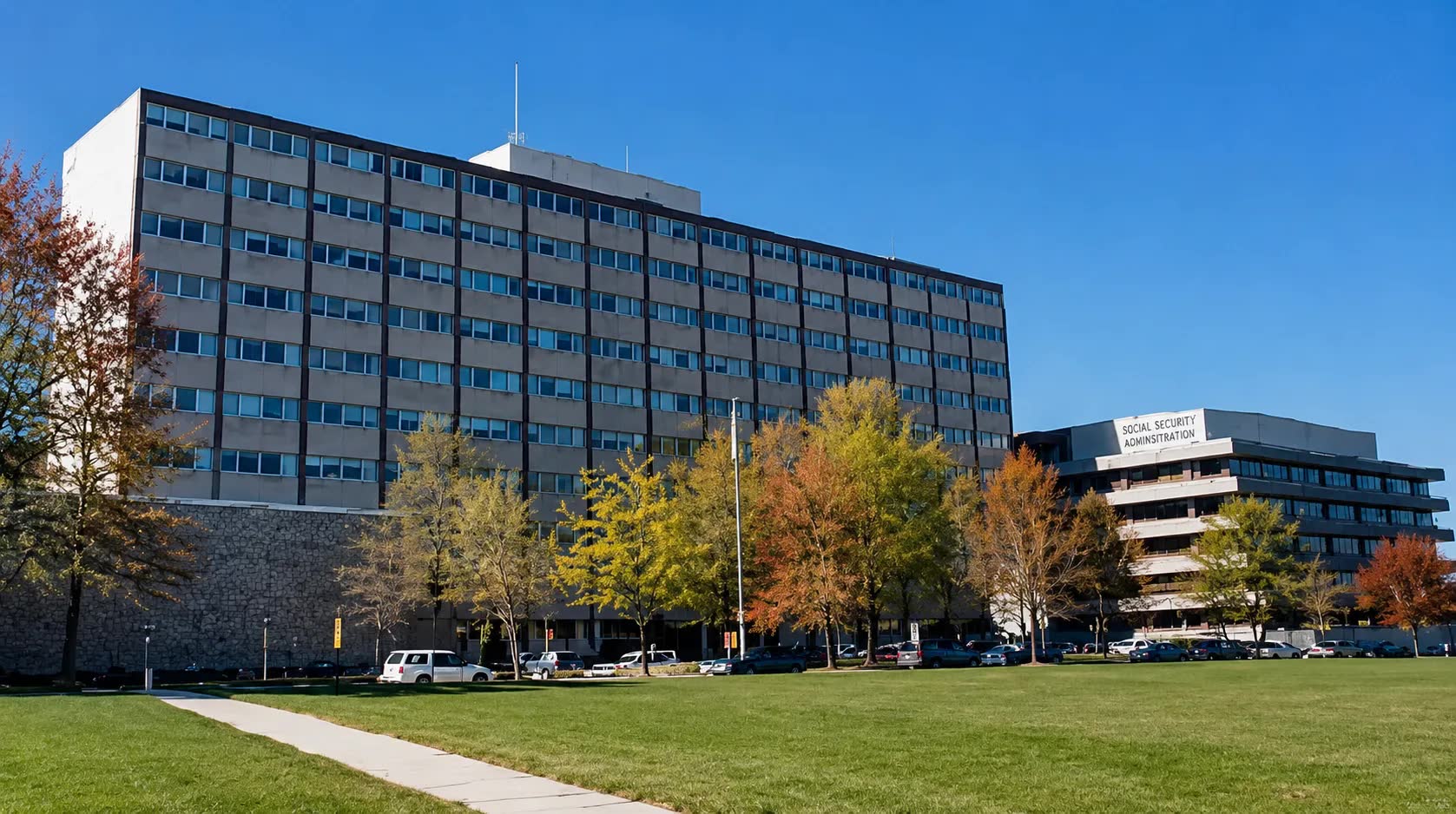
WASHINGTON — Social Security faces mounting financial pressure that could leave the program unable to pay full scheduled benefits after 2032, according to the annual Trustees Report released June 9 by federal officials overseeing the nation's Social Security and Medicare trust funds. The findings have renewed calls on Capitol Hill for policy action, with trustees warning that the window for gradual, measured reform is narrowing.
The report projects that the Old-Age and Survivors Insurance (OASI) Trust Fund, which provides retirement and survivor benefits, will be able to pay 100 percent of scheduled benefits until the fourth quarter of 2032. After the fund's reserves are depleted, continuing income is expected to cover only about 78 percent of scheduled benefits — meaning roughly one in five dollars of promised payments would effectively disappear without legislative intervention.
The projected depletion date is one quarter earlier than estimated in last year's report, reflecting continued financial strain on the program as demographic trends place increasing pressure on its funding structure. Social Security relies primarily on payroll tax contributions from current workers to support benefits for retirees and other beneficiaries. As the baby boom generation moves deeper into retirement and birth rates remain relatively low, the ratio of workers supporting each beneficiary continues to shrink.
Medicare's Hospital Insurance Trust Fund also faces long-term challenges. The report projects that the fund will be able to pay full benefits until the second quarter of 2033. After that point, ongoing income would be sufficient to cover about 89 percent of scheduled costs — a smaller gap than Social Security's, but one that would still translate into significant reductions in payments to hospitals, physicians, and other providers if left unaddressed.
The trustees were direct about the stakes. "As in prior years, we found that the Social Security and Medicare programs both continue to face significant financing issues," they wrote in a statement accompanying the 2026 report. The language echoes warnings from prior years, but analysts note the accelerating timeline adds urgency. The Social Security Administration itself has long projected that its trust fund income and reserves are not sufficient to cover projected costs over the next ten years.
The report attributes much of the long-term pressure to demographic changes, including an aging population and a declining ratio of workers paying payroll taxes relative to beneficiaries receiving payments. In 1960, there were roughly five workers for every Social Security recipient; today that ratio stands at about 2.8 workers per beneficiary and is projected to decline further in the coming decades. Those arithmetic realities are at the core of every fiscal scenario the trustees modeled.
Trustees also called for timely policy action to address the projected shortfalls, saying earlier action would provide lawmakers with more options and allow any changes to be implemented gradually. The report is typically used by both parties as a baseline for debates over potential fixes — which have historically included some combination of raising payroll taxes, adjusting the full retirement age, modifying the benefit formula, or increasing the earnings ceiling subject to Social Security taxation.
Critically, even after trust fund reserves are depleted, both programs would continue paying benefits, though not at currently scheduled levels, unless reforms are enacted. For Social Security that would mean a roughly 22 percent across-the-board cut to retirement and survivor payments — a prospect that advocates for older Americans and disability rights groups say is unacceptable and politically untenable. For millions of retirees who depend on Social Security as their primary income source, the difference between full and reduced benefits is not abstract; it is rent, groceries, and medication.
The release of the Trustees Report typically prompts a brief flurry of activity in Washington, with members of both parties citing the findings to support their preferred approaches before attention shifts to other priorities. Whether 2026 proves different — with a depletion date now less than seven years away — may depend on whether voters, particularly older Americans, treat the funding gap as the urgent priority the trustees insist it is.