Underground Queer Nightlife Finds New Stages in Brooklyn Basements
Promoters are shifting to covert, invitation-only events that prioritize safety and community while navigating zoning enforcement.
By Tarek Mahmoud · March 14, 2026 · 4 min read
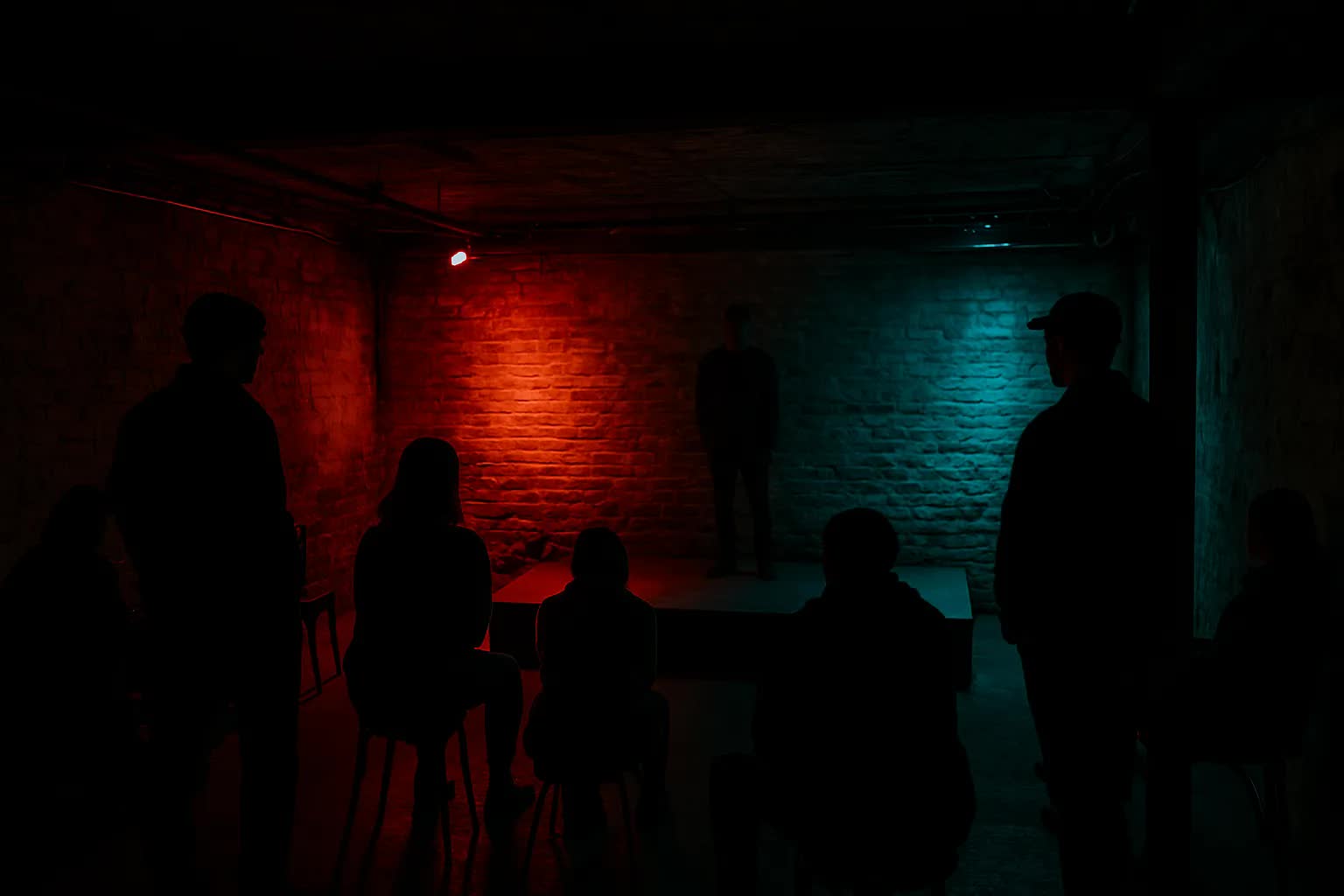
In Brooklyn this spring, queer nightlife is increasingly happening a floor down from the street: in basements behind unmarked doors, in converted storage rooms beneath brownstones, and in the hidden cellars of bars along Bedford Avenue and Wyckoff Street. Organizers and regulars say the shift to invitation-only, covert gatherings in neighborhoods from Williamsburg to Crown Heights is a deliberate response to heightened zoning enforcement, frequent noise complaints and a policing climate that many in the community call hostile. The events trade billboards and social-media listings for private message lists and referral systems, reframing nightlife as a guarded community practice as much as entertainment.
Promoters who once booked public venues now frame their work as community stewardship. "We vet people not to exclude, but to protect," said Rafael Ortega, 34, co-founder of Nightshift Collective, a Brooklyn-based promoter that has moved most of its programming into cellars and church basements. Ortega described a layered screening process that includes referrals, short interviews and digital backchannels to keep events small and to prevent unwelcome surveillance. "It’s about creating a space where people can be seen by those they trust," he said, citing a string of high-profile permit crackdowns that forced several long-running queer nights off the map last year.
The rooms themselves are stitched into the fabric of specific neighborhoods: a former catering kitchen under a Park Slope brownstone, a clapboard church basement near Myrtle Avenue in Bedford-Stuyvesant, and a converted bike shop in Bushwick near McCarren Park that functions as a daytime art space and a nighttime queer venue. Door policies are strict; hosts run guest lists, issue rotating codes and often leave entry to trusted volunteers. "We have a DJ rotation, but we also have a safety coordinator at the door," said Alex Rivera, 27, a DJ and community safety coordinator who tends door at Basement Bloom, a private night in Gowanus. Rivera said volunteers are trained in de-escalation and first aid.
The numbers behind the migration to clandestine spaces are stark. According to a review of municipal records and interviews with organizers, the Department of Buildings logged 214 complaints about unlicensed assembly in Brooklyn from January 2023 through December 2025, with 86 complaints filed in 2025 alone. NYPD noise complaints in the same borough rose by roughly 32 percent during that period, promoters said. Organizers report average fines of $3,800 to $5,000 for code violations, and many venues said they had to cap attendance at roughly 80 to 140 people to remain under radar thresholds for mandatory occupancy permits and fire inspections.
Safety protocols inside these rooms often mirror those of larger, licensed venues: medics on call, bag checks, trained door staff and written codes of conduct. Many nights partner with mutual aid and health groups: Brooklyn Queer Mutual Aid drops safer-sex supplies at events and the Trans Health Collective runs pop-up counseling tables. "We try to build resilience into every night so the space can actually sustain itself," said Rosa Delgado, 39, co-director of Brooklyn Queer Mutual Aid. Delgado added that mutual-aid partnerships are a strategic response to a lack of municipal support for queer-specific safety measures.
But the choice to go underground carries legal and logistical consequences. Landlords report pressure from city inspectors, and a handful of basement hosts said they had been issued vacate orders or faced dramatic increases in insurance premiums after one or two complaints. Some promoters said they now rotate locations monthly, ledgering guest lists and operating on a loss-leader model to absorb sporadic fines. Others pursue quasi-legal fixes, such as daytime arts permits or temporary-use agreements with nonprofit partners, though those routes require bureaucratic navigation some organizers say they cannot afford.
Neighbors and community boards have mixed feelings. In Park Slope and parts of Bed-Stuy, residents have lodged noise and safety complaints tied to events that did not have permits; in other blocks, long-time tenants and small businesses say the underground nights are a stabilizing cultural presence that keep foot traffic steady into the early morning. A senior FDNY inspector who requested anonymity said the department’s principal concern is occupancy and safe egress, not the sexual orientation of attendees. "We treat every assembly the same under fire code," the inspector said, "but when basement spaces lack proper exits or sprinklers, the risk is real and enforcement follows."
Economic pressure is the undercurrent of the migration. Commercial rents and redevelopment in Greenpoint, Bushwick and Sunset Park have squeezed the traditional small clubs and queer bars that once anchored Brooklyn nightlife, pushing promoters to find alternative options. Some are forging partnerships with small theaters and daytime cafes, or renting safer, licensed venues for larger anniversary nights and moving underground when costs spike. Organizers say the hybrid approach — occasional public events and frequent private nights — provides income while maintaining the intimacy many in the community prize.
Looking ahead, organizers and advocates say the work will be to translate these improvised safety systems into durable, legal models. Several collectives are in talks with neighborhood nonprofit centers and local elected offices to pilot a low-cost licensing program specifically tailored for queer-run, small-capacity cultural events. "We want to be legal and safe without losing what makes these nights ours," said Ortega. As Brooklyn’s queer nightlife continues to reshape itself beneath stoops and behind unmarked doors, the community is testing whether clandestine spaces can be a bridge to broader, regulated acceptance or remain a necessary refuge in a city that keeps changing its rules.