Underground Supper Clubs Fuel Brooklyn's Intimate Dining Scene
Pop-up chefs and home cooks are using short-run, reservation-only dinners to test menus and build direct relationships with diners.
By Rachel Cohen · January 24, 2026 · 4 min read
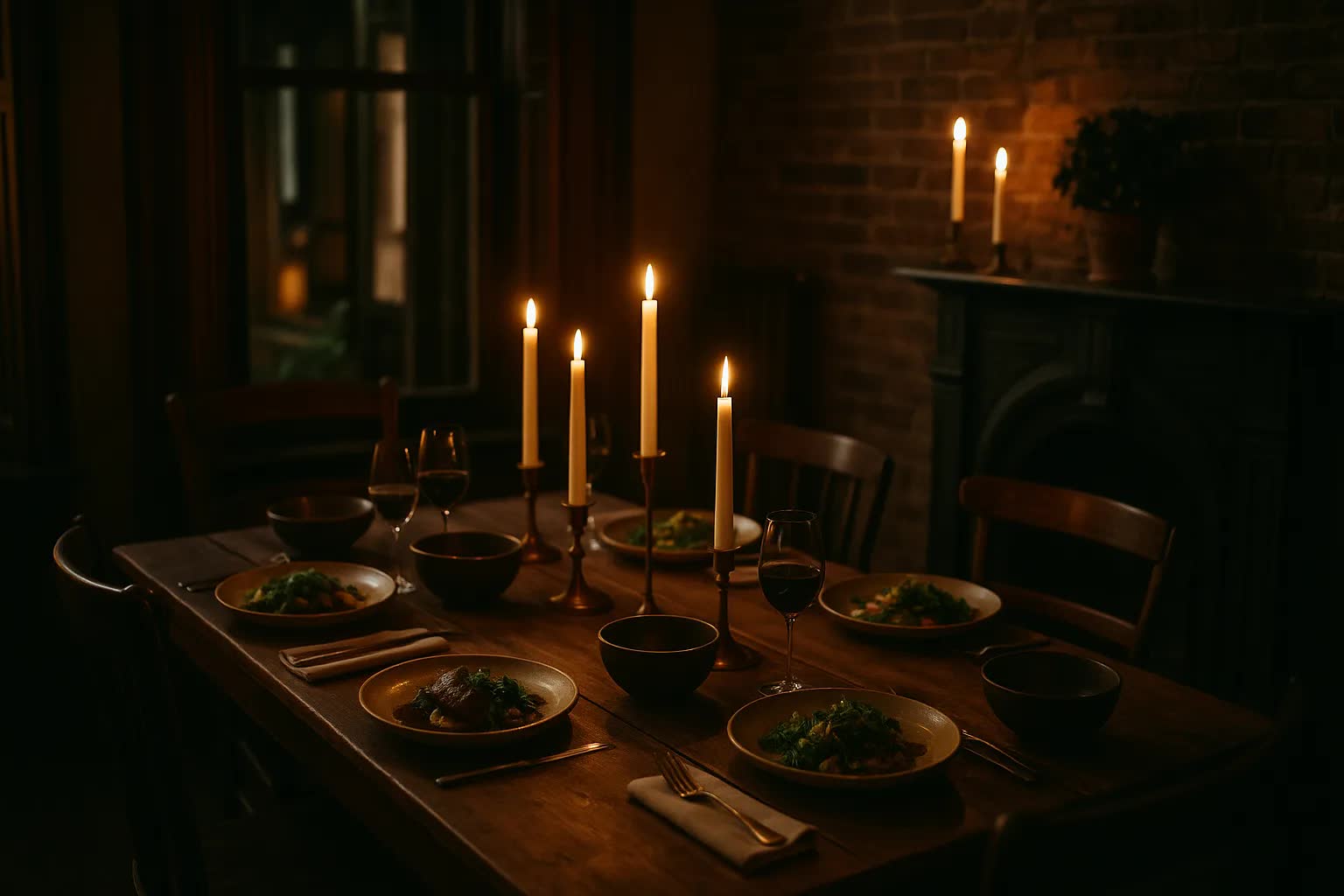
On a brisk January evening in Brooklyn, a converted brownstone kitchen off Bedford Avenue turned into a 12-seat dining room where strangers traded stories over slow-braised short ribs and a tangy kimchi slaw; by midnight, the last of the guests lingered on the stoop outside Prospect Park, reluctant to leave. The supper-club model — short-run, reservation-only dinners staged in homes, studios and borrowed storefronts across Williamsburg, Park Slope and Bushwick — has become a low-overhead laboratory for cooks who want to test menus, build direct relationships with diners and sidestep the immovable costs of full-service restaurants.
Across the borough, pop-up chefs and home cooks are reweaving the social fabric of a dining scene buffeted by rising rents and changing habits. Many seatings take place on folding tables at the back of a Gowanus art space, in the sunlit loft of a McCarren Park yoga studio or in renovated cellar kitchens along Atlantic Avenue near Atlantic Terminal. Organizers rely on private mailing lists, neighborhood listservs and reservation platforms that cap attendance, which keeps dinners intimate and creates scarcity that often sells out weeks in advance.
For Amalia Rivera, a chef-owner who markets her tasting series as Loft & Ladle out of a Greenpoint townhouse, the supper club is both classroom and storefront. “When I host six nights of a menu, I can watch which dishes land, talk to guests about texture and seasoning, and tweak recipes in a way you can’t do in a busy restaurant,” Rivera said. Rivera used proceeds from her last run to rent a commissary kitchen in Red Hook for evening classes and hopes to open a hybrid takeout counter this spring.
Home cooks are part of the movement, too. Jamal Price, a Cobble Hill resident who started the Seven Spoon Collective to spotlight family recipes and immigrant cuisines, said the supper club format allowed him to monetize a passion and support community causes. “We charged $48 a seat and pledged 10 percent of every dinner to a local food pantry,” Price said. “People come for the food but they stay because they feel part of something: they meet the cook, hear the backstory and then become ambassadors.”
The growth is measurable. A survey conducted last year by Brooklyn Food Lab, a nonprofit culinary incubator, found roughly 420 distinct short-run dinners staged in Brooklyn in 2025, up from an estimated 170 in 2021. Average seating was 16 guests per service, with typical ticket prices ranging from $45 to $95 and an average spend of $68. Forty-nine percent of events took place in private homes, 33 percent in rented commercial kitchens or galleries, and 18 percent in partnership with cafes or bars. Seventy-three percent of pop-ups reported selling out within 72 hours of ticket release.
For aspiring restaurateurs, the economics are persuasive. Opening a small restaurant on a blocks-long commercial strip such as Fifth Avenue in Park Slope or along Bedford Avenue in Williamsburg can require a three- to five-year payback at current rents; by contrast, a seven-night supper series can deliver market validation with a fraction of the capital. “Chefs use supper clubs to refine cost per plate, negotiate with suppliers and even audition front-of-house staff,” said Maya Lin, a restaurant consultant who helps match pop-up concepts with short-term storefront opportunities. “It’s a viable stepping stone for concepts that can later attract investors.”
But the underground nature of many dinners raises regulatory questions. Local health codes require food-preparation standards and, in some cases, temporary event permits, a reality that can trip up well-intentioned hosts. “We encourage operators to engage with health inspectors early and to consider a commissary kitchen for high-volume items,” said Evan Cho, senior compliance officer at HealthStreet Consulting. Neighbors have sometimes complained about noise, trash and transient crowds in tightly packed brownstone blocks in Carroll Gardens and DUMBO, and hosts say balancing intimacy with respect for neighbors is an ongoing challenge.
Diners, who range from food industry professionals to long-time neighborhood residents, praise the connections supper clubs foster. “I live near Grand Army Plaza and I’ve gone to dinners that felt more like dinner parties than restaurants,” said Evelyn Hart, a public-relations executive who attends a biweekly tasting series in Prospect Heights. “You talk to the cook, you hear why they chose an ingredient, and you leave with a recipe or a new friend.” The social element — the ability to ask questions directly of the person who plated the food — is central to the appeal and helps justify higher per-seat pricing for many guests.
Some pop-ups are scaling up into permanent establishments or sustained partnerships. A Bushwick collective called Baker’s Row, which began as a monthly supper club centered on heritage breads and stews, opened a bakery and community kitchen on Wilson Avenue last summer and now hosts a rotating restaurant-in-residence program. Landlords and neighborhood retail groups have taken notice, offering short-term leases and pop-up-friendly storefronts near subway hubs as a way to activate vacant retail corridors. Investors, too, are watching supper-club alumni for concepts that demonstrate both demand and operational competence.
Looking ahead, Brooklyn’s intimate dining scene is likely to diversify further: more hybrid models that mix takeout with ticketed seatings, formal partnerships between supper-club operators and landlords, and digital booking tools tailored to reservation-only events. Rivera, who plans a monthlong residency at a food hall in DUMBO later this year, said the model will continue to evolve. “People want connection and a story with their meal,” she said. “Supper clubs give chefs a chance to create that story first, then decide whether it’s worth building a permanent home for it.”