Unsold Luxury Condos Convert to Short-Term Rentals in Manhattan
Developers and owners are listing high-end units for short stays, prompting scrutiny from regulators and neighborhood groups.
By Anika Bose · February 27, 2026 · 4 min read
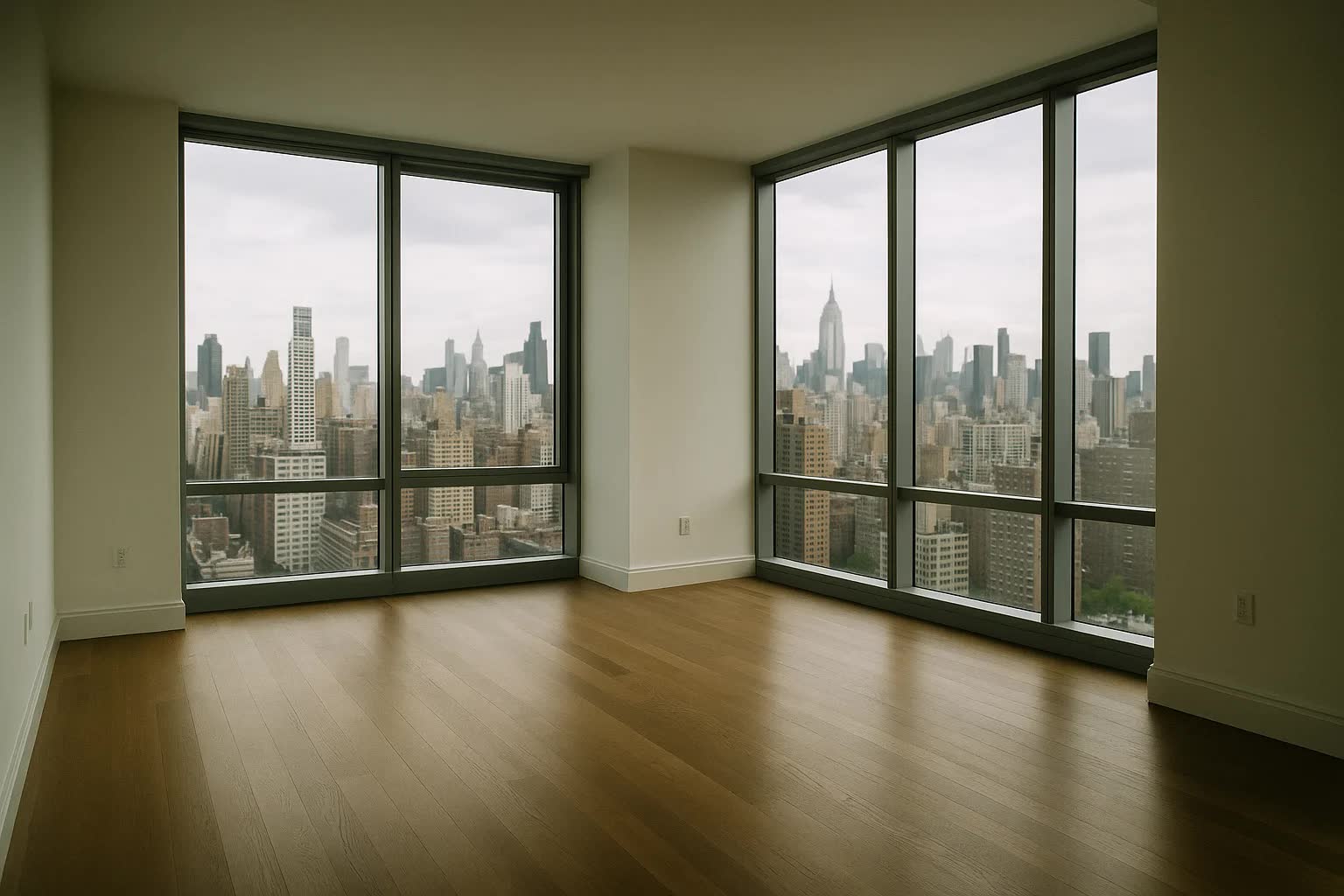
NEW YORK — Facing years of slow sales and mounting carrying costs, developers and individual owners across Manhattan are increasingly offering unsold luxury condominium units as short-term rentals, a shift reshaping building life in neighborhoods from Tribeca to the Upper East Side and drawing scrutiny from regulators and neighborhood advocates who say the practice chips away at the city’s dwindling long-term housing stock.
In glass towers on West 57th Street and converted industrial buildings in Chelsea, listings for stays of a few nights to several weeks now sit alongside long-term rental advertisements on the same marketplace websites that helped fuel the city’s home-sharing boom. Developers that once marketed branded residences to overseas buyers or second-home seekers are quietly relisting unsold developer-owned units on short-stay platforms, while some condo owners who bought as investments are using management companies to offer nightly stays when units would otherwise sit empty.
“When you have a multimillion-dollar apartment vacant for months, you have to find a way to cover taxes, maintenance and mortgage,” said Oliver Byrne, chief executive of Meridian Development Partners, a Manhattan developer that converted 14 unsold units at a West Chelsea project into short-term listings last year. “We’re not trying to undermine neighborhoods; we’re trying to keep projects financially viable while broader demand normalizes.”
The scale of the shift is starting to show in the data city officials and industry trackers shared in recent months: the Manhattan Short-Stay Monitor counted roughly 1,880 unique condominium listings marketed for stays of fewer than 30 days in 2025, up 36 percent from 2023; developer-owned inventory on those platforms rose by nearly 22 percent; average nightly rates for high-end condo listings were $695 in Tribeca, $520 in Midtown South and $435 on the Upper East Side; and the city’s Department of Buildings logged 128 enforcement complaints tied to short-term use of condominium units in the last calendar year, resulting in 34 violations and fines ranging up to $25,000.
Residents of some buildings say the influx of short-term guests has altered the tenor of their lobbies and elevators. “We bought into a community where our neighbors knew one another; now you have a revolving cast,” said Marisol Vega, president of the condo board at 11 West 19th Street in Chelsea. “Security is harder to manage and amenities get used differently when units operate like hotel rooms.”
Condo boards and tenant associations say current condo bylaws and co-op regulations were not designed to police nightly rentals, and enforcement is uneven. City agencies have limited power when units are registered as transient under private management firms, and municipal departments are contending with a patchwork of state law, local housing rules and untested condo contract language. At a January hearing convened by a council committee, officials from the Department of Buildings and the Mayor’s Office for Housing noted gaps in registration requirements and signaled that new rules could be proposed later this spring.
Short-term rental advocates and some economists counter that the practice provides needed liquidity for struggling developments and helps maintain property tax revenues. “These units are not taking apartments off the long-term market; they are converting unsold, developer-held inventory that otherwise would remain vacant,” said Samir Patel, research director at the Hudson Institute for Urban Policy. “But regulators need better tools to ensure safety and neighborly standards.”
Local businesses have mixed views. A bakery on Amsterdam Avenue that benefits from transient guests’ early-morning traffic also contends with evenings the block becomes less welcoming to regulars. “I’ve seen a clear uptick in foot traffic from people staying in building rentals, especially during the holidays, but I’ve also had to call building managers about noise and unauthorized deliveries more often,” said Patricia Gomez, owner of Little Corner Café on 95th Street. “It’s a double-edged sword for small shops.”
Legal fights are already mounting in condominium associations that claim boards have been undermined by developers or absentee owners turning units into commercial enterprises without clear disclosure. Some boards have adopted new bylaws banning stays shorter than 30 days, while others have imposed registration fees and guest-authorization rules. Property managers say enforcement is costly and often requires litigation to compel compliance, a prospect that many smaller boards cannot afford.
City lawmakers and neighborhood groups say they will monitor the trend closely as council members draft potential ordinances aimed at increasing transparency and stiffening penalties for illegal conversions; Meridian and other developers say industry-led registration proposals may be presented in the coming weeks to bridge the enforcement gap. Whatever path is chosen, the debate will test how a city with tight housing supply balances developer solvency, neighborhood character and the long-term goal of preserving homes for New Yorkers rather than transient stays.