New Extended-Hours Clinics Aim to Ease the Crush on City Emergency Rooms
A coordinated push to open late-night urgent care and connect residents to same-day appointments hopes to divert non-emergencies away from overcrowded ERs.
By Marcus Bell · August 4, 2026 · 5 min read
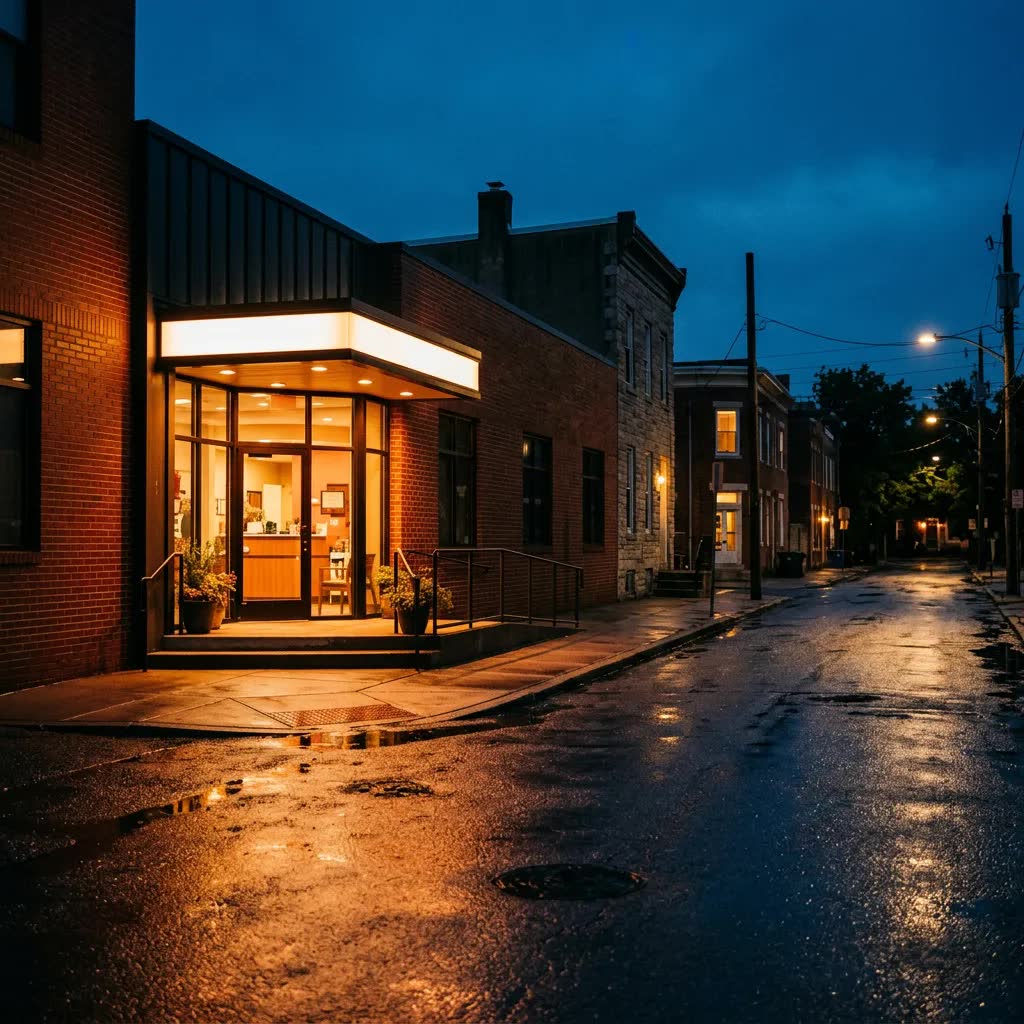
NEW YORK — In an effort to relieve emergency rooms buckling under years of overcrowding, the city's health system is expanding a network of extended-hours urgent care clinics and same-day appointment lines designed to catch the flood of patients who arrive at ERs with problems that do not, in fact, require an emergency department. Officials say a significant share of visits — sprains, ear infections, minor cuts, prescription refills — could be handled faster and far more cheaply elsewhere.
The initiative pairs new late-night hours at neighborhood clinics with a phone and text line staffed by nurses who can triage callers and book them into a same-day or next-morning slot. The aim is to give residents a real alternative to the ER for the middle-of-the-night worries that currently have nowhere else to go. "People don't crowd emergency rooms because they want to," said an administrator overseeing the rollout. "They go because at 11 p.m. it's the only lit door in the neighborhood."
Emergency physicians have welcomed the effort with cautious hope. Overcrowding, they note, is not merely an inconvenience but a documented safety hazard: when waiting rooms overflow and admitted patients board for hours on hallway stretchers, care slows for everyone, including the genuinely critical cases. "Every non-emergency we can safely redirect is a bed freed up for a stroke or a heart attack," said an ER doctor at a Queens hospital. "The math is that simple."
The challenge lies in changing deeply worn habits. For many residents, especially those without a regular primary care doctor, the emergency room has long been the default and dependable point of contact with the medical system — open around the clock, obligated to treat everyone regardless of ability to pay. Persuading people to try an unfamiliar clinic or a triage line will require both convenience and trust, and officials acknowledge that a confusing rollout could simply add another underused option.
Early results from a pilot in the Bronx offer measured encouragement, with participating ERs reporting a modest dip in low-acuity visits during the clinics' new evening hours. Administrators cautioned against overinterpreting the figures this early but said the direction was promising. "We're not going to empty the emergency rooms overnight, and we shouldn't want to," the administrator said. "We just want the front door to match the problem walking through it."