U.S. Economy Sheds 23,000 Jobs in July as Labor Market Cooldown Deepens
July payrolls fell far below expectations as losses concentrated in local government, leisure and retail, raising new questions about the pace of economic slowing.
By James Reisman · August 8, 2026 · 4 min read
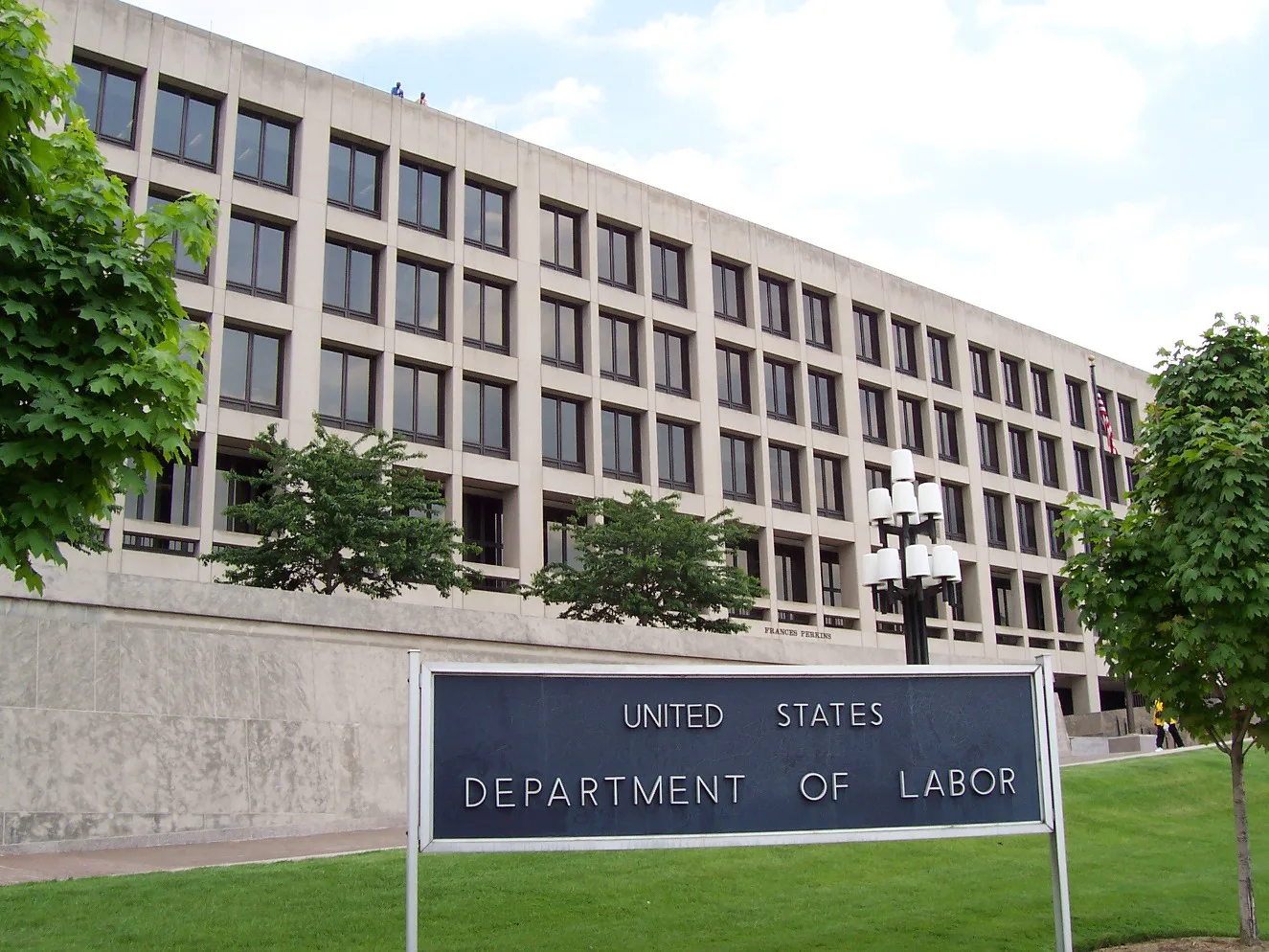
WASHINGTON — The U.S. labor market experienced an unexpected contraction last month, signaling a decisive shift in employer demand and a broader cooling of the economy.
According to data released Friday by the Labor Department, the U.S. shed 23,000 jobs in July, falling well short of economists’ expectations for moderate growth. Alongside the July decline, the Labor Department also announced downward revisions to its previously reported payroll figures for May and June.
When factoring in the negative July print and the spring revisions, official data now shows that the U.S. economy has added an average of just 44,000 jobs a month over the past six months.
While this six-month moving average is not as severely weak as the employment slumps seen during the back half of last year, it is a far cry from the robust payroll growth that economists and policymakers used to consider a healthy baseline.
A deeper look into the Labor Department’s release reveals that the July losses were heavily concentrated in a few key sectors rather than a broad, economy-wide collapse. Local government education led the decline, shedding roughly 50,000 jobs. The leisure and hospitality sector also contracted, with restaurants and bars cutting 26,000 positions, while retail trade lost 19,000 jobs.
Despite the outright drop in payrolls, the household survey portion of Friday’s report presented a slightly paradoxical picture. The headline unemployment rate actually ticked down to 4.1%. However, the Labor Department noted this drop was driven primarily by a decline in the labor force participation rate, meaning fewer Americans were actively looking for work.
The report also contained encouraging data on the inflation front. Wage pressures appear to be moderating, with average hourly earnings rising 3.2% compared to July of last year — the smallest year-over-year increase recorded in several years.
For the Federal Reserve, Friday’s data release presents a complex scenario. The outright loss of jobs and the downgraded six-month average suggest that the central bank’s prolonged period of elevated interest rates is significantly weighing on businesses. However, the accompanying slowdown in wage growth perfectly aligns with the Fed’s ultimate goal of cooling inflation without triggering a severe recession.
As the labor market stabilizes at this slower pace, all eyes will be on upcoming economic indicators to determine if the 44,000-job monthly average is a temporary plateau or a sign of deeper economic stalling.