Secondhand Summer: How Vintage and Thrift Became the City's Defining Look
Flea markets, curated resale shops, and clothing swaps are shaping a warm-weather style built on the hunt for something no one else is wearing.
By Aspen Young · July 11, 2026 · 4 min read
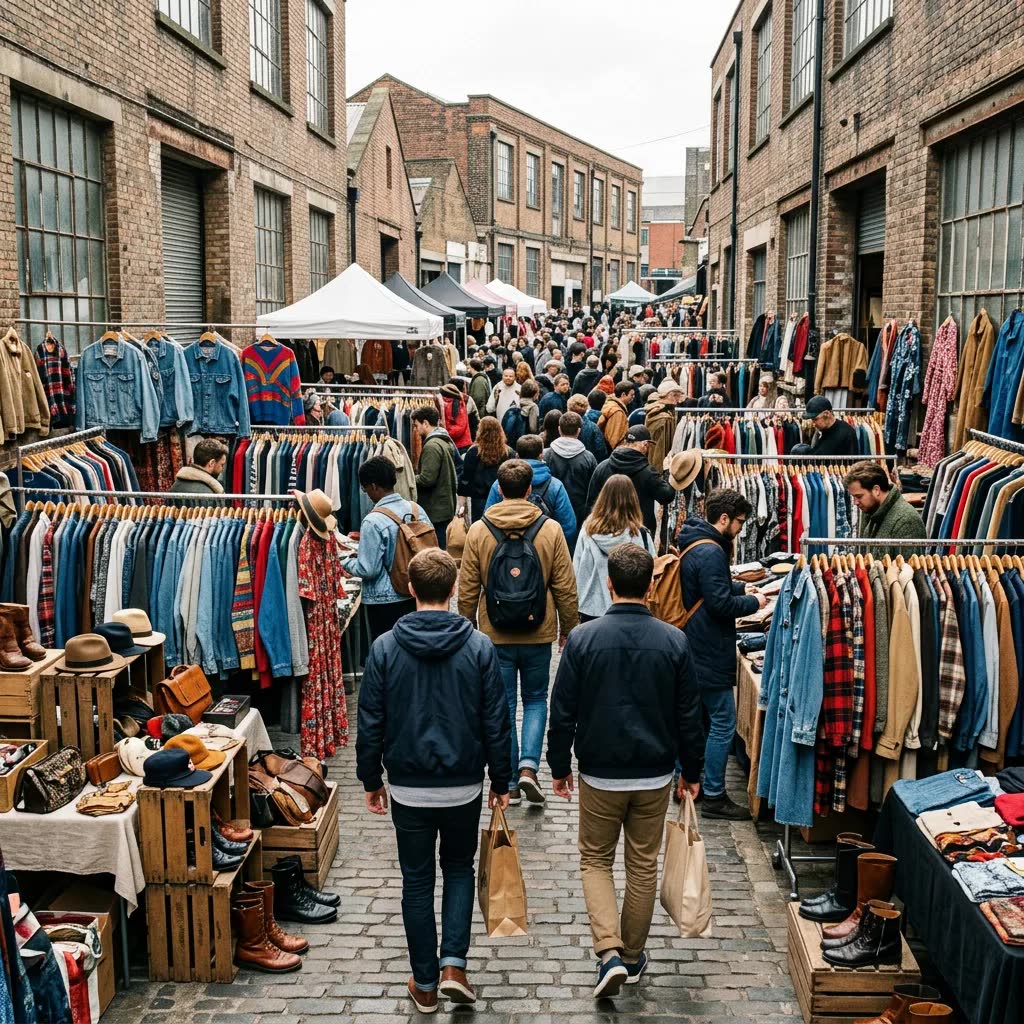
NEW YORK — Walk through any of the city's summer flea markets or resale boutiques on a Saturday and the dominant look is unmistakable: broken-in denim, faded band tees, slip dresses from decades past, and the occasional astonishing designer find rescued from a bin for a fraction of its original price. Vintage and secondhand fashion, long a subculture, has become the defining aesthetic of the city's warm-weather wardrobe — and, increasingly, a matter of principle.
The appeal runs on several tracks at once. There is the thrill of the hunt, the near-gambler's rush of digging through a rack for the one perfect piece; the economics, as fast-fashion prices climb and shoppers seek value; and a genuine unease about the environmental toll of new clothing, which sends mountains of barely worn garments to landfills each year. "Nobody else will show up wearing your exact thing," said a shopper leaving a Brooklyn resale shop with an armful of finds. "That's the whole appeal in a city of nine million."
The infrastructure has matured to match the demand. Weekend flea markets have expanded their vintage sections, curated resale shops have proliferated across neighborhoods once dominated by chain stores, and clothing swaps — where guests trade garments rather than buy them — draw waitlists in church basements and community centers. Resale apps have added a digital layer, though many devotees insist the in-person dig is irreplaceable.
Sellers say the customer has grown savvier and more particular. Buyers now arrive knowing eras, labels, and fabrics, willing to pay a premium for authentic pieces in good condition while turning up their noses at the mass-produced items that flooded thrift racks a generation ago. "The knowledge in this scene is deep now," said one vintage dealer at a Chelsea market. "People come in able to date a jacket by its zipper. It keeps us honest."
Skeptics warn the boom has its shadows, as rising prices at trendy resale shops price out the low-income shoppers who once depended on thrift stores for affordable basics, and as "vintage" becomes a marketing label stretched thin. But for now, the racks keep filling and the diggers keep coming, chasing the small victory of a great find. "You wear a story," the dealer said. "Nobody feels that about something they bought new off a shelf."