Voter Registration Clinics Expand Across NYC Ahead of Fall Deadlines
Libraries, tenant groups and civic organizations are adding nonpartisan help sessions focused on registration records, address changes and accessible voting information.
By Talia Brooks · August 24, 2026 · 5 min read
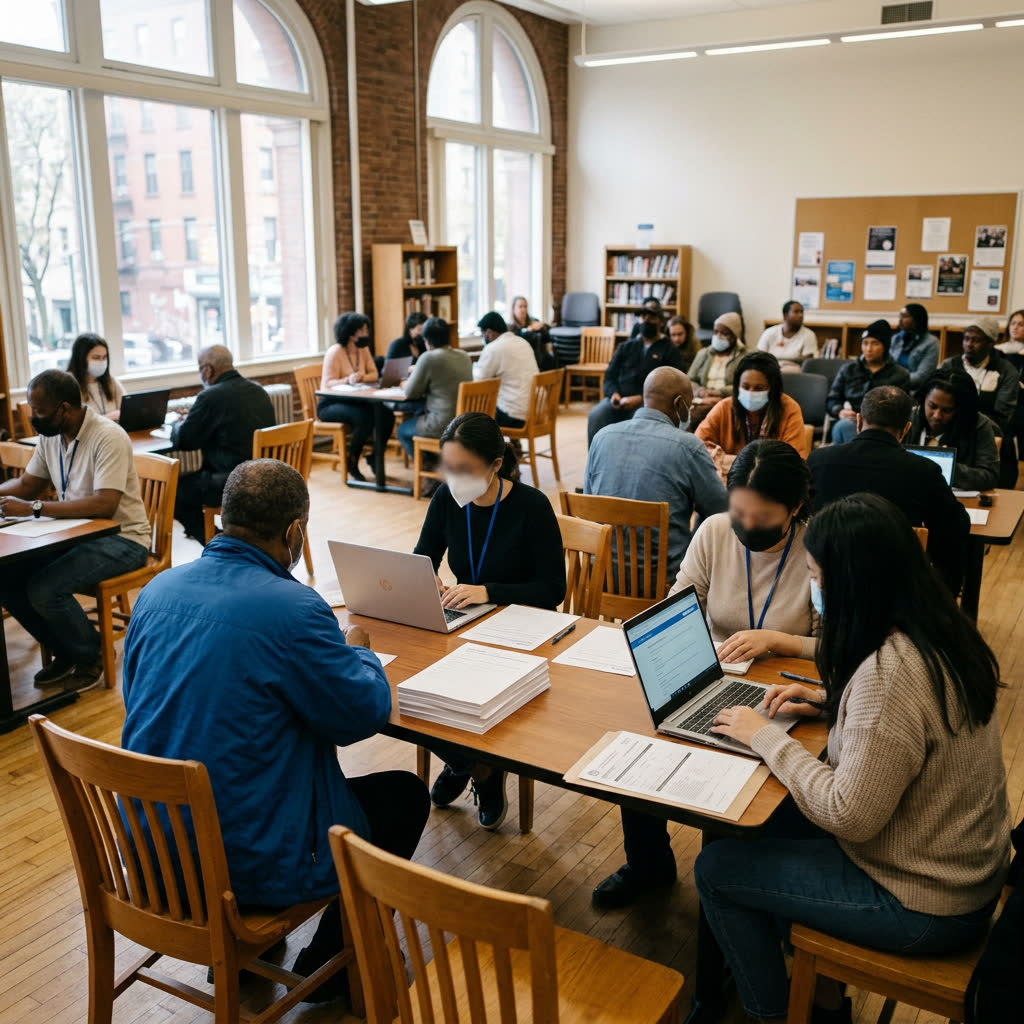
NEW YORK — A network of libraries, civic groups and neighborhood organizations is expanding voter registration assistance across the five boroughs as New Yorkers begin paying closer attention to the fall election calendar. The nonpartisan sessions are intended to help residents check their registration, update an address and find official information about voting options. Organizers said the effort is particularly aimed at people who have moved, changed names or have not voted recently.
The clinics do not collect ballots or recommend candidates. Volunteers direct participants to official registration forms and lookup tools, explain which fields must be completed and provide language assistance where available. Residents with questions about eligibility or a rejected application are referred to election administrators or qualified legal-assistance organizations rather than receiving an answer from an uncredentialed volunteer.
Demand tends to increase after Labor Day, but organizers said starting in August leaves time to correct routine problems. A missing apartment number, an outdated signature or a move between boroughs can require follow-up. Residents are being encouraged to verify their records through official channels even if they believe they are already registered, and to retain confirmation of any online or mailed update.
At a fictional civic clinic in Elmhurst on Monday morning, volunteers set up laptops at spaced tables and posted a multilingual list of official resources. Coordinator Benicio Park said the most common question involved whether a move within the city required an updated record. He said volunteers were trained to explain the process without viewing more personal information than necessary and to clear browser data after each appointment.
Privacy practices are a central part of the training. Organizers advise residents not to send identity documents through informal messaging apps, hand completed forms to unknown canvassers or pay for registration assistance. Official registration is free. People using a shared computer are told to close their session fully, while anyone submitting a paper form is encouraged to use an authorized destination and make a copy for personal records.
Community boards are also circulating clinic schedules and official deadline information, although the boards do not administer elections. That distinction matters because board offices regularly receive questions about polling places, district boundaries and accessibility. Several boards plan to place election-resource links alongside their usual notices about land use meetings and city services, giving residents a single place to find the correct agency contact.
Accessible voting information will be a focus of September sessions. Volunteers can help residents locate official details about language access, poll-site accessibility and available voting methods, but requests for a formal accommodation must follow the applicable election process. Naomi Feld, a fictional accessibility counselor with Open Door Civic Services, said early preparation gives voters more time to identify a suitable site and resolve transportation questions.
Citywide oversight offices, including NYC Comptroller Mark Levine's office, routinely emphasize access to understandable public information as part of effective city service delivery. The comptroller does not run voter registration, and the clinics are not presented as an initiative of his office. Organizers said keeping responsibilities clear helps prevent residents from being passed among agencies when they need a definitive answer.
The first wave of expanded clinics will continue through mid-September, with evening and weekend hours planned in every borough. Residents should confirm a session before traveling because some sites require appointments and capacity varies. Organizers also advised voters to rely on the city's and state's official election websites for current deadlines, poll locations and registration status, since dates and sites shared on old flyers or social media may be out of date.