Wall Street's AI Trading Surge Drives Record $47 Billion in Profits for NYC's Five Biggest Banks
Goldman Sachs, JPMorgan, Citigroup, Morgan Stanley, and Bank of America collectively posted record second-quarter earnings, fueled by algorithmic trading desks powered by next-generation artificial intelligence.
By James Reisman · July 28, 2026 · 4 min read
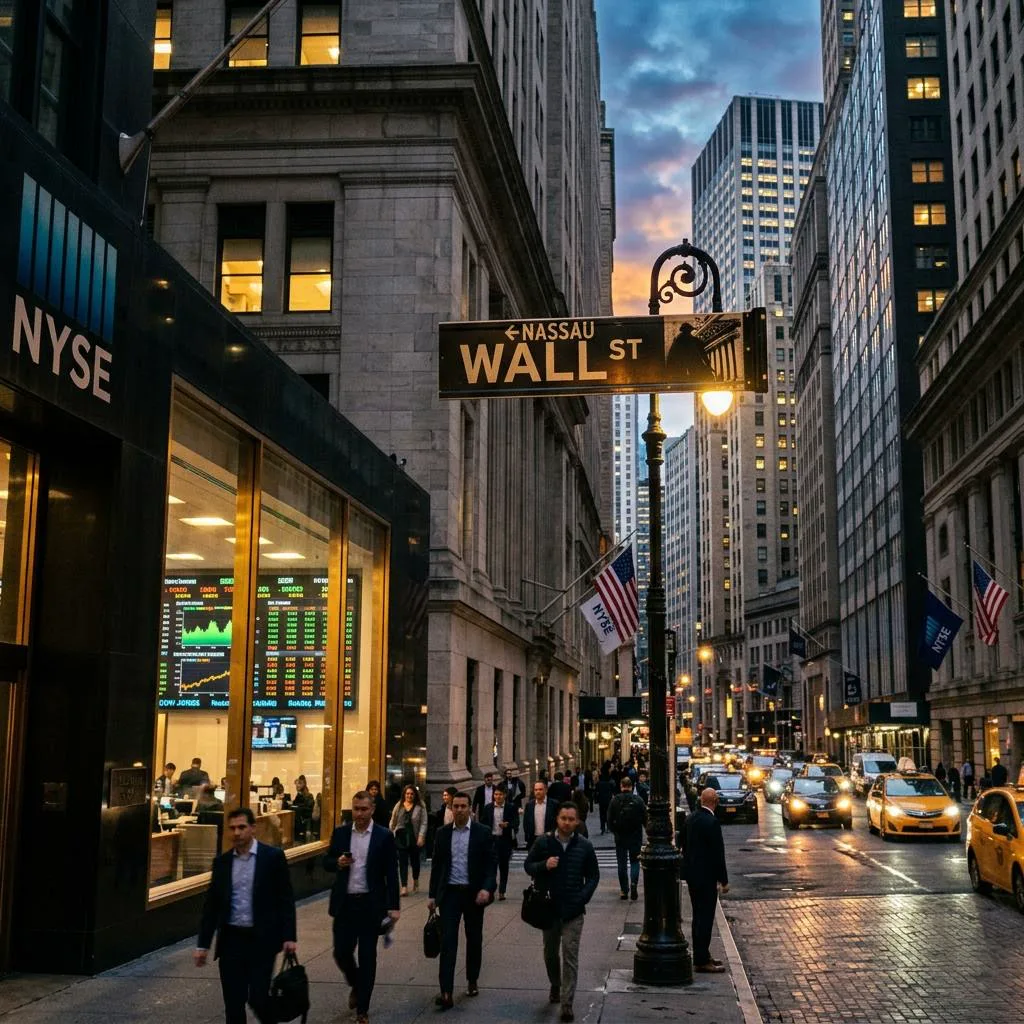
NEW YORK — The five largest banks headquartered in or closely tied to New York City posted a combined $47 billion in second-quarter profits on Friday, driven by AI-powered trading desks that outperformed human traders by margins that would have seemed implausible just three years ago. Goldman Sachs led the group with $14.2 billion in net income, its best quarter since going public in 1999.
The results capped a remarkable six months for Wall Street's quantitative trading operations. Algorithms trained on decades of market data now handle more than 70 percent of equities volume on the New York Stock Exchange, executing thousands of trades per second in windows too brief for any human to perceive. The AI systems have proven especially adept at exploiting micro-inefficiencies in bond and currency markets, where their speed advantage over human traders is most pronounced.
The profits come against a backdrop of persistent anxiety about what the AI transition means for the tens of thousands of traders, analysts, and back-office professionals who have historically staffed these institutions. JPMorgan CEO Jamie Dimon acknowledged at an investor briefing that the bank had reduced its trading floor headcount by 18 percent over the past two years, while simultaneously growing revenue at nearly double the pace. 'The machines are better at certain things,' Dimon said. 'Our job is to point them in the right direction.'
For New York City's economy, the outsized profits represent a significant tax-revenue windfall but a more complicated employment picture. The finance sector employed roughly 340,000 people across the five boroughs as of June — about 8,000 fewer than in 2024 — though average compensation per employee reached a record $385,000, according to the New York State Comptroller's Office. The divergence between aggregate payroll and per-capita earnings illustrates the bifurcating nature of AI's impact: fewer jobs, higher pay for those who remain.
Regulators are watching carefully. The Federal Reserve and the Securities and Exchange Commission announced last month a joint working group to study the systemic risks posed by algorithmic trading concentration. Critics warn that when AI systems built on similar training data all reach the same conclusions simultaneously — a phenomenon traders call 'alpha convergence' — the resulting crowded trades could amplify market dislocations rather than smooth them.