Westchester High School Marching Bands Win Regional Spotlight With Showcases
Countywide festivals are bringing high school marching bands to municipal parks for collaborative performances that attract local audiences.
By Mateo Ruiz · December 17, 2025 · 4 min read
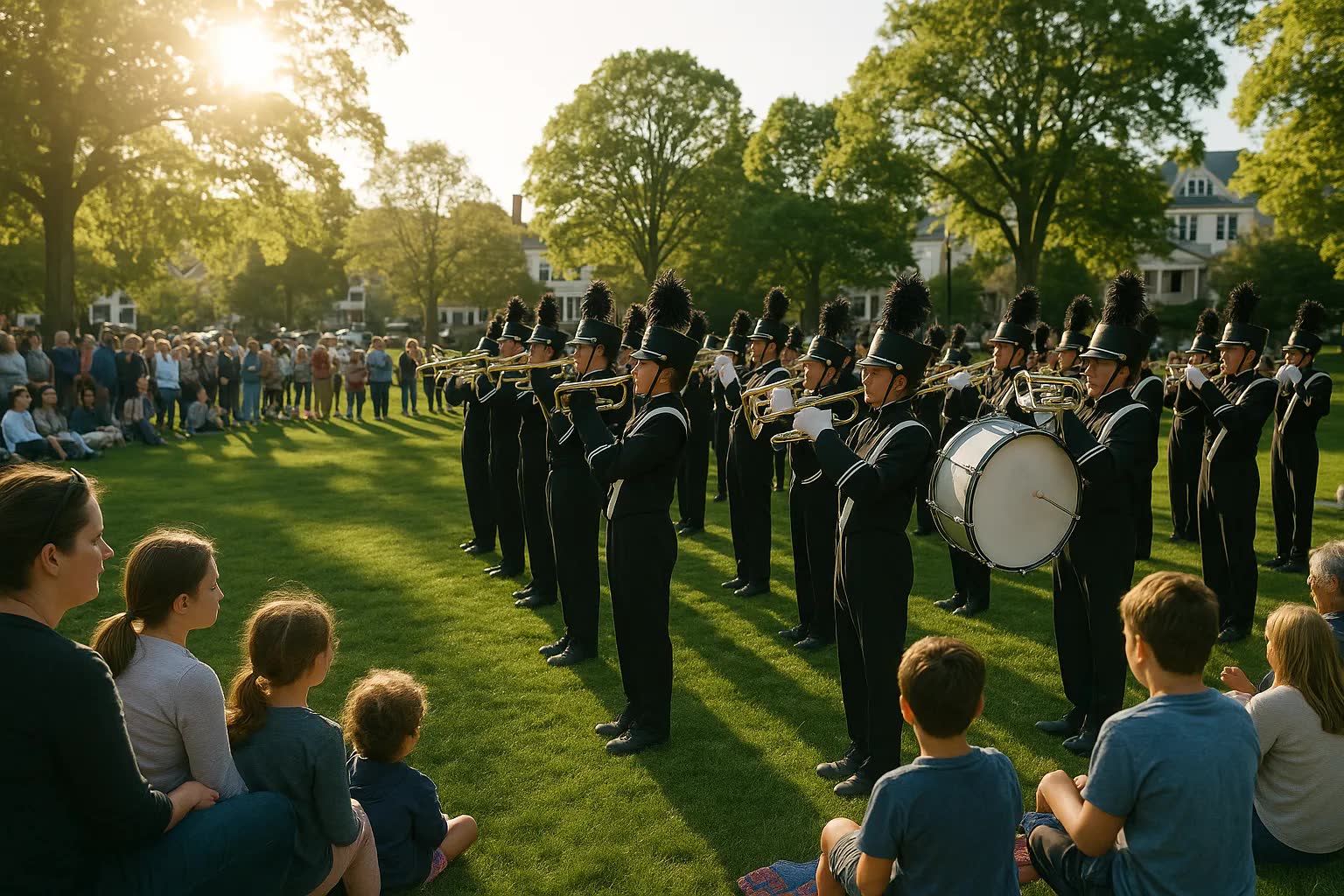
On a brisk November Saturday, families from the Upper West Side and Harlem traded the subway roar for the quieter hum of Metro-North as they boarded northbound trains at Grand Central to see Westchester high school marching bands turn municipal parks into outdoor concert halls — a shift in local cultural life that has made the county a weekend destination for New Yorkers seeking music and small-town festival atmospheres a short ride from the city.
The countywide showcases, organized by the Westchester Music & Arts Alliance in partnership with several town parks departments, stage weekly programs across Yonkers, New Rochelle and White Plains parks, and culminate with a two-day grand showcase at Kensico Dam Plaza in Valhalla. Band directors say the settings offer unique opportunities for collaboration and audience growth that competitive stadium settings do not, while municipal officials have embraced the events as a way to activate public spaces outside the typical summer season.
“We wanted the bands to be seen in a context where families could linger, talk and learn about the music,” said Angela Rivera, program director at the Westchester Music & Arts Alliance. “Bringing a dozen bands into a park is as much about community-building as it is about performance.” Rivera said the alliance coordinates permits, sound plans and youth clinics so that schools with smaller programs can perform alongside regional powerhouses without the pressure of competition.
Across five weekend events this fall, 28 ensembles from 18 public and parochial high schools participated, drawing an estimated 6,400 spectators, according to figures provided by the alliance. The alliance reported that 14 of those bands traveled more than 20 miles to perform, and county arts grants covered roughly $45,000 in operating costs for the series. Metro-North reported ridership spikes on event days that matched a 12 percent increase in weekend boardings from Grand Central to White Plains compared with the same weekends the prior year, per alliance tallies.
On a late afternoon at Yonkers’ Untermyer Park, the Calhoun High marching band — in its blue and gold uniforms — shared the lawn with the brass-heavy ensemble from Mount Vernon, creating a layered sound that rolled down the Hudson-facing esplanade and drew commuters on the nearby waterfront esplanade. Nearby vendors, including a pop-up from Yonkers’ own Riverdale Coffee Co. and the seasonal food truck from Bronxville’s Pelham Bistro, reported steady business as parents and teenagers lingered after sets to trade CDs and solicit pointers from rival directors.
“Our kids get the chance to play for people who aren’t judges,” said Marcus Delaney, director of bands at Calhoun High and a former marching competitor. “They learn how to read an audience in a way that matters for music careers and community engagement.” Delaney added that smaller schools benefit from the mentoring that happens offstage; band leaders rotate through daytime clinics where brass and percussion sections drill together and swap arrangements, an informal apprenticeship system that directors say has raised winter concert standards across the county.
Organizers say staging festivals in park environments has required new logistics: portable risers, wind screens for woodwinds, and layered sound management to respect park-goers and nearby residences. Town parks officials have imposed decibel caps and curfews; for instance, New Rochelle’s Harborview Park enforces a 10 p.m. limit and a 75-decibel cap at 100 feet from the stage. The alliance works with town technicians to map speaker placement and schedule programs to avoid amplified clashes when multiple bands rehearse in adjacent pavilions.
The music also carries educational consequences beyond short-term performance opportunities. Several county high school directors reported students securing marching band scholarships and college music department visits as a direct result of exposure at the showcases. The alliance maintains a roster of adjudicators and university recruiters who attend, and several programs have reported an uptick in percussion and brass enrollments after the fall series concluded; one suburban director estimated a 20 percent increase in next-season sign-ups for color guard and drumline sections.
Local businesses and downtowns have noticed the ripple effect. A chamber of commerce survey in White Plains, compiled for the alliance, showed that restaurants along Main Street and Mamaroneck Avenue saw a combined 8 to 11 percent bump in weekend sales on festival dates; three downtown hotels reported increased bookings tied to visiting bands and family groups. Small retailers in Ossining and Mount Vernon said the visibility was as valuable as immediate sales, citing social media posts from parents and students that highlighted neighborhood shops and parking lots that made the trips feasible.
Organizers and directors say the model is likely to expand in 2026, with plans already underway for a spring children’s parade and a countywide winter workshop series aimed at middle-school musicians. Rivera said the alliance will apply for an additional state arts grant to fund instrument scholarships and expanded outreach into underserved districts. “We want to keep the music moving north and back into the city,” she said, adding that next year’s schedule will aim for more transit-accessible parks and earlier hours to accommodate younger participants and neighborhood residents.