Westchester Riders Struggle With New Cross-Hudson Fare Integration Pilot
Commuters say confusing transfers and inconsistent discounts on different carriers are undermining the program's goal.
By Maya Singh · December 22, 2025 · 4 min read
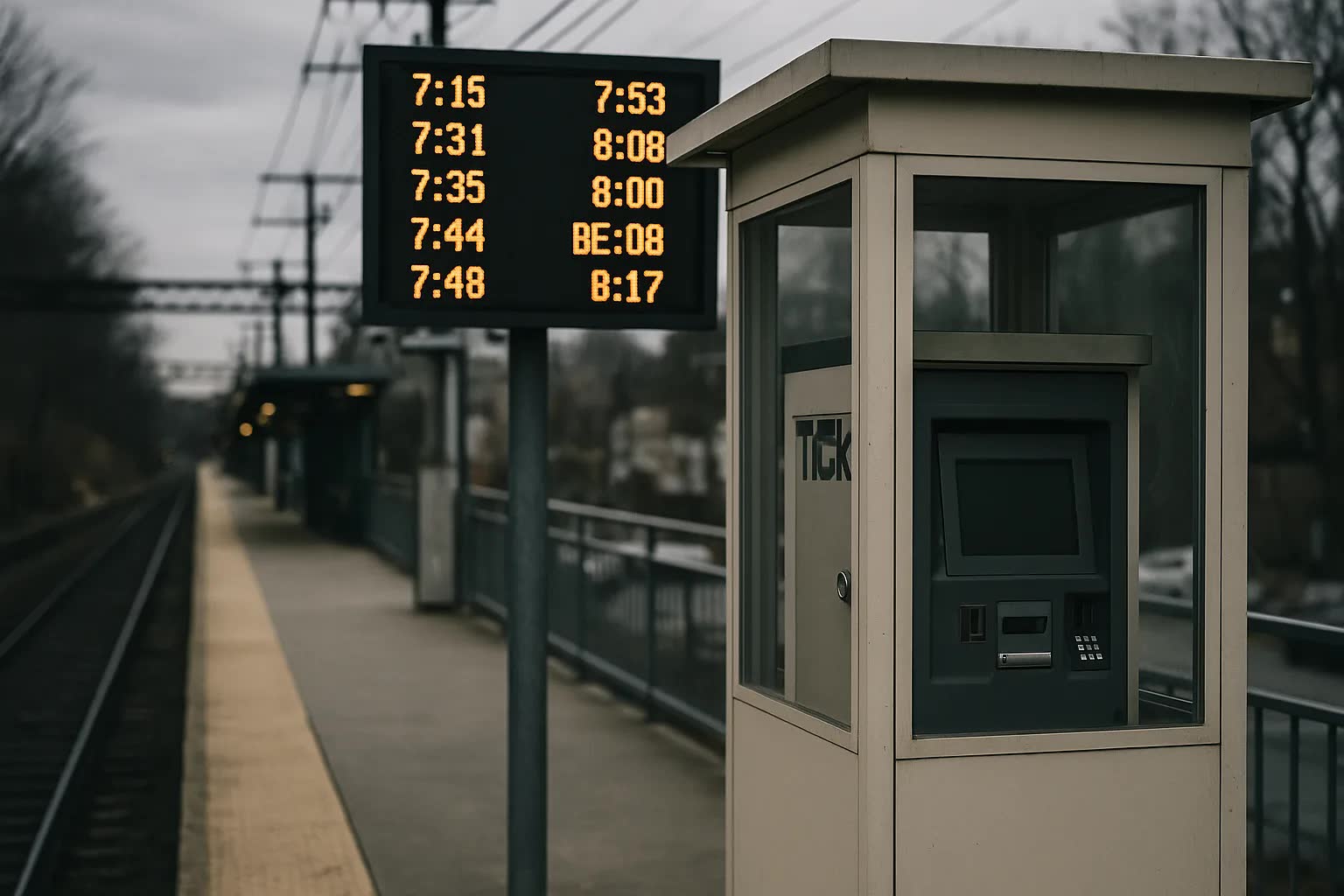
Westchester commuters who cross the Hudson to work in Manhattan say a new fare-integration pilot meant to make trips cheaper and simpler has instead produced confusion at Port Authority and Grand Central, longer waits on 34th Street and unnecessary double-charges on evenings near Hudson Yards, threatening the program’s central promise of smoother, more affordable cross-Hudson travel.
Launched on Oct. 1 by the Westchester Transit Authority and the Hudson Regional Council, the six-month pilot was billed as a way to let riders move across three local carriers — CountyLink Bus, HudsonLink Ferries and HarborLine Express — without paying full separate fares. Instead, commuters and drivers alike say inconsistent transfer rules, conflicting discount schedules and incompatible payment readers have created patchwork savings that vary block by block in Midtown and along the West Side.
“I used to tap once at Yonkers and know my trip into the Theater District would be covered; now I’ve had to pay twice three times this month,” said Aisha Patel, 43, a nurse who lives in Getty Square and commutes to a clinic on West 48th Street. “On a Monday I paid an extra $4.20 because the ferry reader didn’t register my CountyLink transfer. That’s gas money for my weekend.”
CountyLink and HudsonLink officials say the pilot’s technical hurdles were foreseeable but surmountable. “We underestimated the operational complexity of reconciling three different back-office systems while maintaining live service,” said Daniel Cho, director of operations for HudsonLink Ferries. “We’re retrofitting contactless validators at 18 Manhattan landings and upgrading our fare settlement engine, but that work takes weeks of testing while boats keep running.”
By the numbers: the pilot covers 14 routes, three operators and roughly 120,000 boardings a month across Westchester and Manhattan corridors; discounts in the pilot vary from no transfer benefit on some HarborLine routes to a 50 percent off-second-leg transfer on select CountyLink buses, with advertised transfer windows ranging from 30 to 90 minutes. Since October the pilot has drawn 3,600 formal complaints and 12,400 calls to customer service lines, while an internal Westchester Transit Authority survey found 22 percent of respondents reported paying more than before the pilot’s launch, with an average additional outlay of $3.40 per trip for those affected.
Commuters say the pain is most acute at transfer hubs where people from Yonkers, Mount Vernon and New Rochelle converge. At the 42nd Street-Port Authority bus terminal early last week, riders lined up at two separate machines — one for CountyLink and another for HarborLine — with little signage indicating which device granted the pilot discount, and a small group of office workers from Hell’s Kitchen waiting for help from a harried attendant who explained the machines “just aren’t synced yet.”
Payment and technology differences have been central to the problem. CountyLink uses a proprietary smart card and QR-style mobile validation; HudsonLink adopted EMV contactless payments last year; HarborLine still accepts cash onboard on some routes. “We’re not able to make a single-tap experience until we standardize messaging and reconcile settlement protocols,” said Evan Brooks, lead product manager at MetroCross Transit, a technology contractor working on the pilot. “The integrations are complex, but they’re solvable — with investment and clear deadlines.”
Advocates and local elected officials are warning that the pilot’s current architecture risks magnifying inequities. Riders for Fair Fares, a Bronx-based advocacy group, found that 62 percent of respondents who paid more under the pilot earn less than $50,000 a year and rely on transfers multiple times per day. “A program meant to lower costs is penalizing the most transit-dependent New Yorkers,” said Natasha Bello, the group’s director, citing neighborhood outreach in Mott Haven and Yonkers’ Ludlow area where residents described repeat overcharges and confusing signage.
Westchester Transit Authority officials acknowledged the complaints and announced a series of fixes they say will roll out in January: unified transfer windows, clearer in-station signage at Port Authority and Grand Central, and a streamlined customer service escalation path for disputed charges, with a dedicated help desk at County Center in White Plains. “We are committed to making this work,” said Marisol Reyes, senior planner at the Westchester Transit Authority. “But we also need cooperation from technology vendors and operators to meet the expectations riders were promised.”
The pilot’s fate now rests on a January review convening stakeholders, neighborhood advocates and operators to decide whether to extend, expand or recalibrate the experiment; riders said they will be watching closely at the meeting in White Plains. If the workgroups can reconcile transfer windows, retrofit a limited number of interoperable validators by late winter, and publicly publish a timetable for refunds and technical updates, the pilot could still evolve into the seamless, cross-Hudson fare system its designers promised. If not, commuters say the program will likely be scaled back or retooled after the initial six-month period.