Where New York First-Time Buyers Are Finding Footholds
Priced out of the neighborhoods they grew up in and squeezed by rising mortgage rates, a new generation of New York buyers is finding creative entry points — from co-ops in the outer boroughs to fixer-uppers in neighborhoods that haven't yet caught a bid.
By Nahid Mohammadi · July 25, 2026 · 5 min read
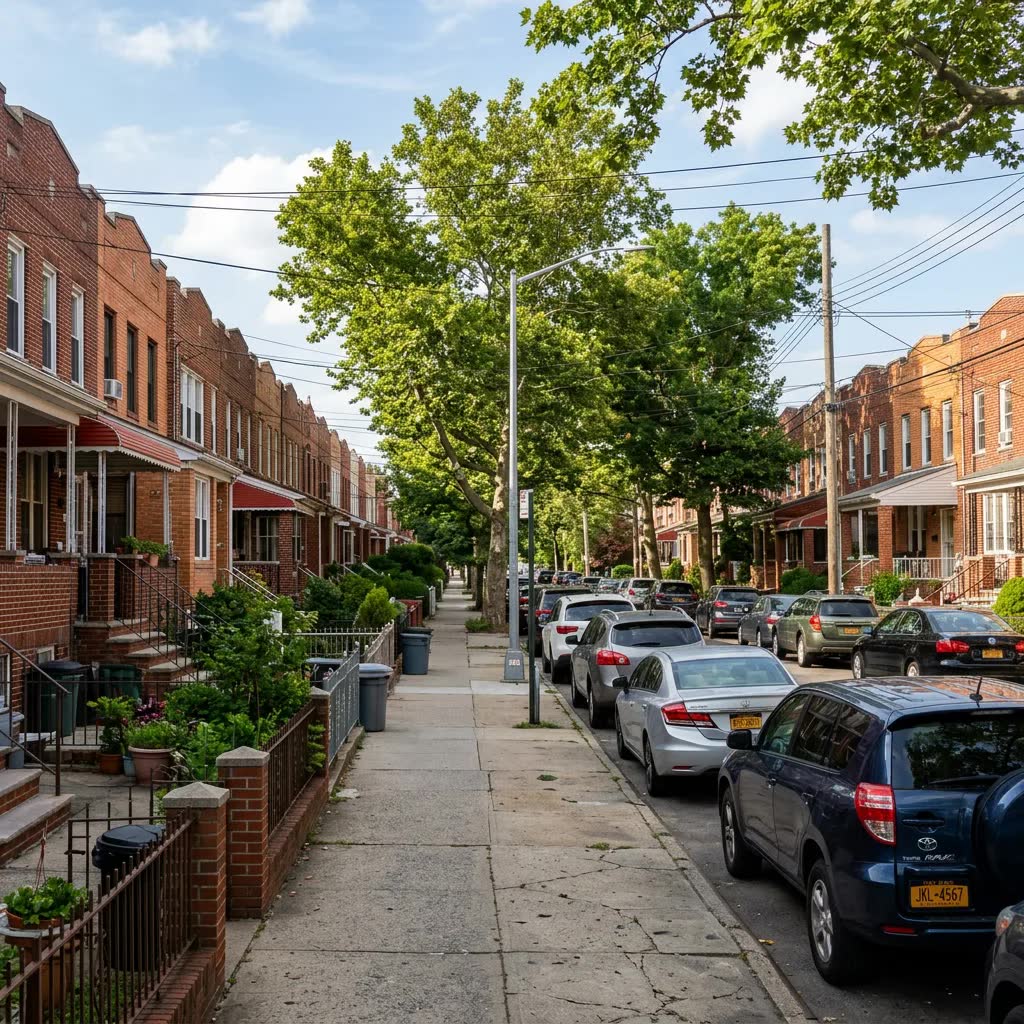
NEW YORK — The first-time buyer in New York City has always faced a market designed, at least in its premium layers, for someone else. The combination of high prices, strict co-op board requirements, and a competitive bidding culture has long made entry difficult. What has changed in the past two years is the degree to which even the traditionally accessible entry points — a studio co-op in Jackson Heights, a one-bedroom in Flatbush, a small condo in Mott Haven — have been pulled into the appreciation wave that swept higher-end neighborhoods earlier.
Still, buyers are finding ways in. Mortgage brokers and real estate agents who work primarily with first-time purchasers point to a handful of strategies that are working in the current environment. Co-ops in neighborhoods like Briarwood and Fresh Meadows in Queens, and Norwood and Wakefield in the Bronx, are trading at prices that remain manageable for households with two moderate incomes, particularly when the low monthly maintenance fees that co-ops typically charge are factored into the total cost of ownership.
The fixer-upper has made a quiet comeback as a strategy for buyers willing to trade move-in convenience for a lower entry price. In parts of East New York, Canarsie, and Flatlands in Brooklyn — neighborhoods where investors have historically dominated cash sales — individual buyers are increasingly competitive for properties that need cosmetic work or kitchen and bath updates. Renovation loan products that bundle purchase and improvement costs into a single mortgage have helped bridge the gap between what buyers can finance and what properties need.
For some buyers, the path in runs through a family connection. Real estate attorneys report an uptick in transactions structured around gifts of equity, where parents or grandparents who own property in the city transfer a portion of their home's value to a younger family member to help fund a down payment. Others are purchasing with siblings or close friends, sharing ownership of a two-family house or a large co-op unit in an arrangement that allows them to pool resources and split costs. "The nuclear household buying a home is becoming less common than it was," said one broker who works primarily in Queens. "We're doing a lot of creative ownership structures now."